Leaked Sony Document Reveals New Hints on Companies Gaming Future Days Before Discs Dumped
 David Richards
16 Jul 2026
David Richards
16 Jul 2026
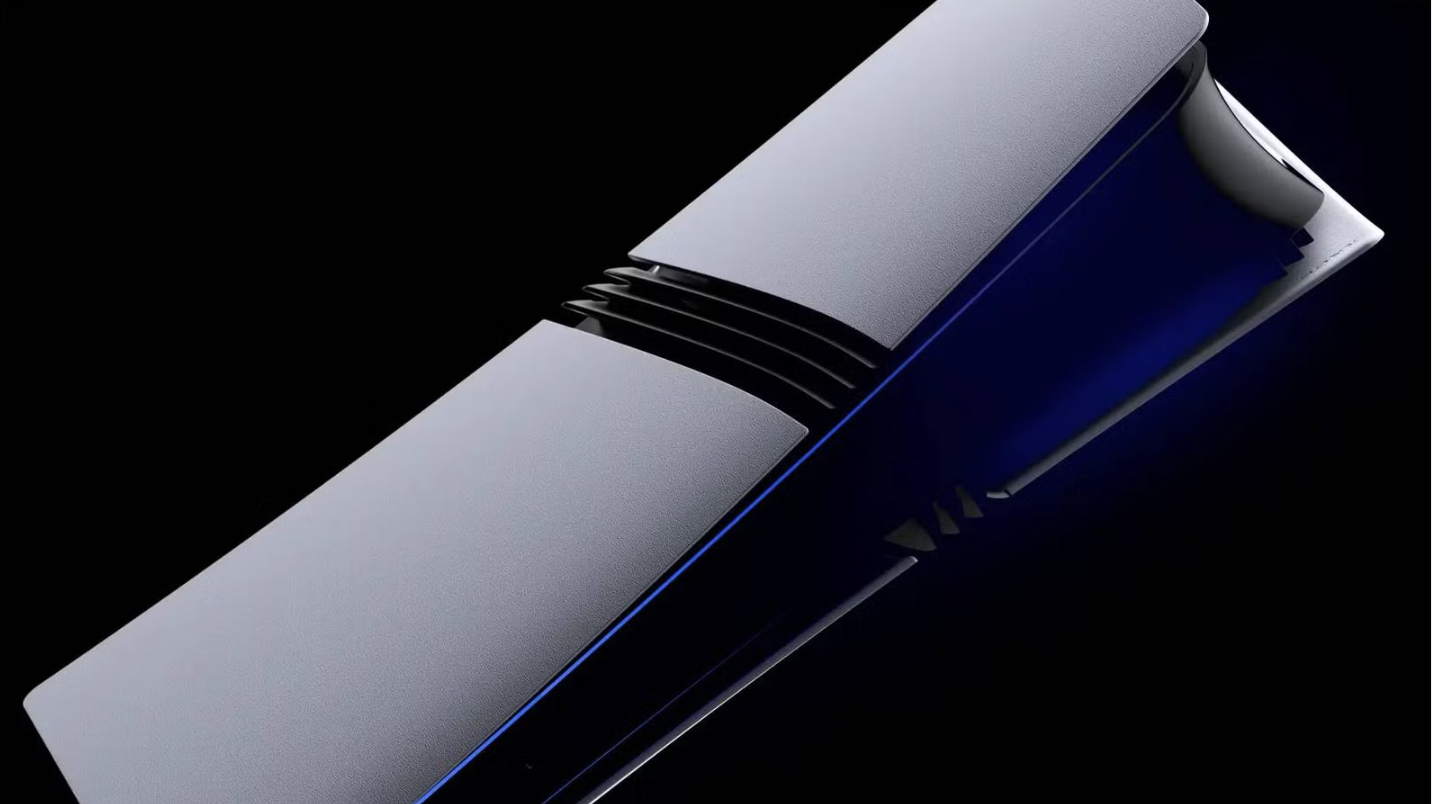
Sony’s next PlayStation is shaping up to be a premium-priced, all-digital device built for gaming outside the lounge room, with a leaked investor document pointing squarely at a new handheld as the centrepiece of the Company’s next-generation strategy.
The document, a translated Q&A involving Sony Interactive Entertainment CEO Hideaki Nishino that was circulated to investors, has taken on new significance following Sony’s controversial decision to scrap game discs for new titles after 2028, a move that has blindsided publishers and enraged consumers.
Nishino told investors that Sony aims “to anticipate changes in how players play and their evolving needs, while making the PlayStation ecosystem more accessible and approachable to a broader range of players”, language that observers believe points to a portable device capable of playing full PlayStation titles on trains, buses and planes.

Hideaki Nishino Who Was Appointed As President and CEO Of Sony Interactive Entertainment
The revelations come as the console industry battles serious structural problems, with Microsoft still struggling to generate a return on more than $100 billion spent acquiring game studios, and Sony under pressure from investors to explain where its future hardware profits will come from.
Breaking Out Of The Lounge Room
Pressed on how Sony plans to win back gamers who defected to PCs during the COVID period, management admitted the brand has an image problem.
“PlayStation has long been strongly associated with the idea of playing in the living room,” the Company conceded, adding that it wants “to break away from the fixed perception that ‘PlayStation equals the living room'” and deliver “a seamless experience that can be enjoyed naturally beyond the living room”.
Nishino pointed to the PlayStation Portal remote player as an early example, saying Sony aims “to provide experiences tailored to users’ play styles beyond the living room, which has traditionally been considered the primary usage environment”.
Tellingly, Sony poured cold water on the idea that smartphones and PCs will carry that load. The Company said it “designed PS Portal as a dedicated device to reliably deliver the PlayStation gaming experience, which is predicated on controller-based gameplay and a large screen”, and that “it is difficult to provide a sufficiently high-quality experience through smartphone touch controls or a PC’s keyboard and mouse”.
In other words, Sony is not chasing an “Xbox everywhere” cloud play. It wants PlayStation controls in your hands, on Sony hardware, with every dollar flowing through the PlayStation Store.
Consumers Warned: It Won’t Be Cheap
Sony also fired a clear warning shot on pricing, with memory costs surging globally and component prices climbing across the industry.
“It’s not realistic for us to absorb all component cost increases, and we have already implemented some price increases outside Japan,” the Company said. “As a principle, we do not intend to sell hardware at significant losses.”
Management insisted that demand has held up despite price rises, claiming “sales are proceeding as planned, and we do not believe this has led to a decline in customer demand”, but the message for consumers is blunt: the next PlayStation, in whatever form, will carry a premium price tag.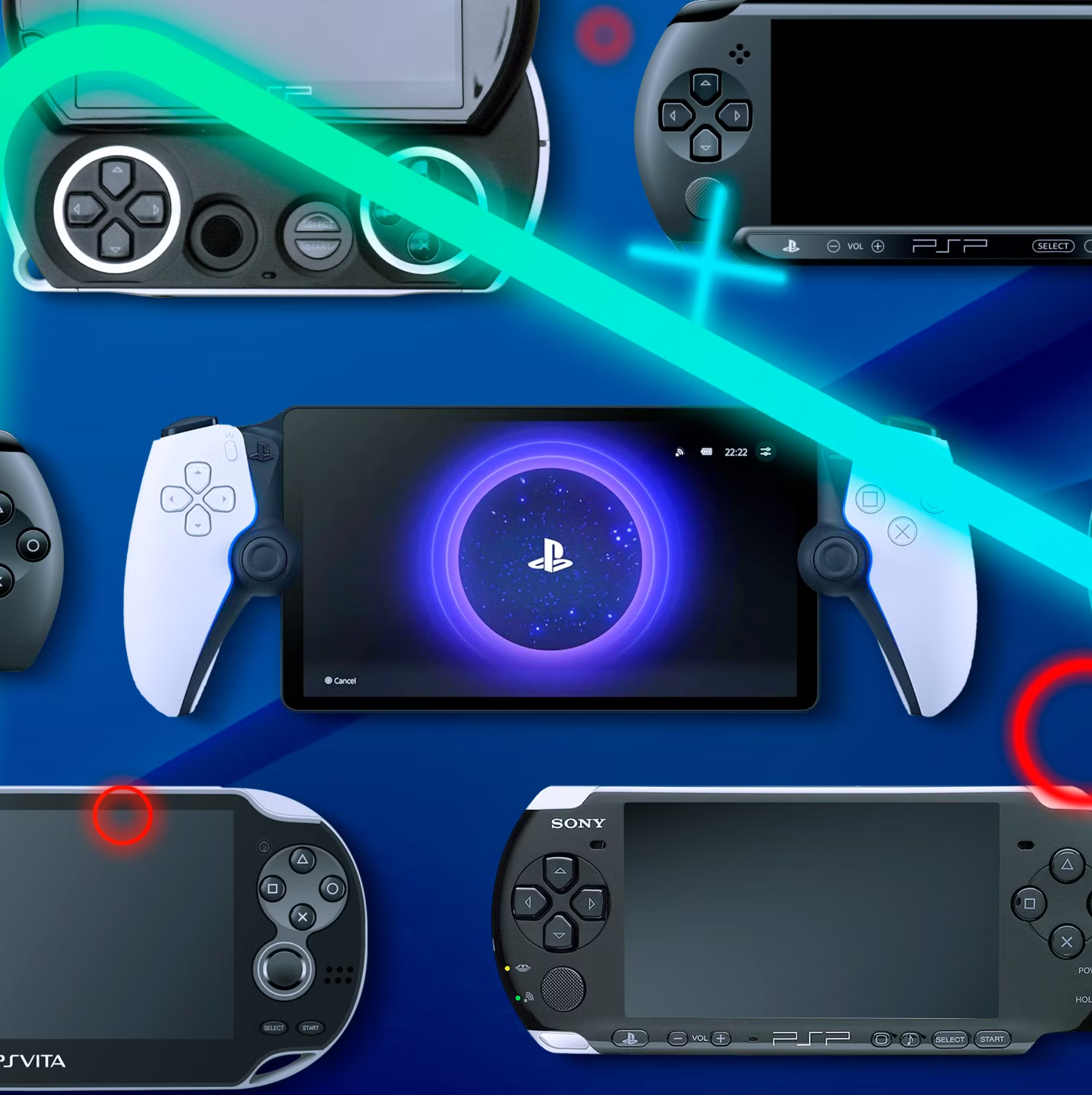
The Company did note that “cloud streaming also requires minimal memory, making it an increasingly attractive low-cost thin client device in the current market environment where memory prices are rising”, a comment analysts read as confirmation that a cheaper Portal-style streaming device will sit alongside a more powerful flagship.
The Disc Decision Changes Everything
The Q&A, published on 5 June, reads very differently in light of Sony’s subsequent announcement that it is killing off physical game discs for new releases after 2028.
Management’s talk of a shift toward “a true digital platform business” now looks like the strategy hiding in plain sight. With no discs, every game sale flows through Sony’s own digital storefront, cutting bricks and mortar retailers and the secondhand market out of the equation entirely, and fattening Sony’s margin on every transaction.
The fallout has been ugly. Publishers and retail partners in several markets claim they were given no warning before the announcement, and analysts believe Sony has no intention of backing down despite the consumer backlash, arguing the decision would not have been made public unless it was already locked in.
For a future handheld, the logic is brutal but simple. Nobody is inserting a Blu-ray disc into a portable device, and Sony is unlikely to repeat the proprietary mini-disc experiment it ran with the PSP’s UMD format. An all-digital handheld solves the problem before it exists.
Exclusives Stay Home, PC Ports Wound Back
The document also appears to confirm reports that Sony is largely done porting its big single-player exclusives to PC.
While the Company acknowledged that “creators may push to expand titles to other platforms such as PC to maximize reach”, it qualified that “in some areas, such as live service games, broader platform expansion can make sense”, a formulation that suggests tentpole franchises will stay locked to PlayStation hardware.
Management was explicit about why. “IP is a crucial point of differentiation for our first-party content, and it is part of the virtuous cycle that is the PlayStation experience,” the Company said, adding that first-party software “serves as a core reason why people enter the PlayStation experience” even though it represents a minority of overall sales.
Sony also confirmed the next platform is expected to be backward compatible, noting that “when a new PS5 title is released, users can easily revisit and play past PS4 titles from the same IP”. What remains unclear is whether owners of disc-based libraries will get a disc-to-digital pathway or be forced to buy their games again.
The Bottom Line
The strategy taking shape is unmistakable. Nintendo’s Switch and Switch 2, the company’s best-selling and fastest-selling consoles respectively, have proven that the hybrid handheld is now the most commercially potent format in gaming, and Sony appears determined to claim its share of that market rather than cede portable PlayStation gaming to PC handheld makers.
Expect a powerful lounge room console for enthusiasts prepared to pay eye-watering prices amid the global memory squeeze, alongside a handheld positioned as the only way to play Sony’s exclusives on the go, with every game purchased digitally, at full price, direct from Sony.
For consumers who value game ownership, resale rights and retail competition, the losers in Sony’s “true digital” future are already obvious. Sony’s planners, focused on what the Company calls optimising “profitability in the future”, appear untroubled.