Intel Rally Reaches Dot-Com-Era Levels
 Nigel Bowen
20 Aug 2025
Nigel Bowen
20 Aug 2025

Intel’s share price has surged 28% this month, adding about US$24 billion (A$36 billion) in market value.
The rebound follows reports that the US government is considering taking a 10% non-voting equity stake in the chipmaker and, more recently, news of a US$2 billion (A$3 billion) investment from Japan’s SoftBank.
Intel and Softbank released a joint statement on August 19 saying, “SoftBank will make a $2 billion investment in Intel common stock. The investment comes as both Intel and SoftBank deepen their commitment to investing in advanced technology and semiconductor innovation in the United States.”
The rally has pushed Intel’s valuation to 53 times projected earnings, the highest multiple since the dot-com bubble of 2002.
Bloomberg quoted Wayne Kaufman of Phoenix Financial as saying, “The stock looks incredibly expensive… That kind of multiple is a bet that the government will push Intel so hard on customers that it becomes a winner.”
Investors are now effectively betting the US government will engineer Intel’s recovery. Of course, that’s a bet that may or may not come good.
The share price surge comes after weeks of high drama at the troubled chipmaker.
As covered by Channel News, Donald Trump publicly called for Intel CEO Lip-Bu Tan to resign over perceived conflicts of interest a couple of weeks ago.
Tan then insisted that claims he had significant ties to China were “misinformation”.
Following a White House meeting on August 11, Trump reversed course, praising Tan’s leadership as an “amazing story.”
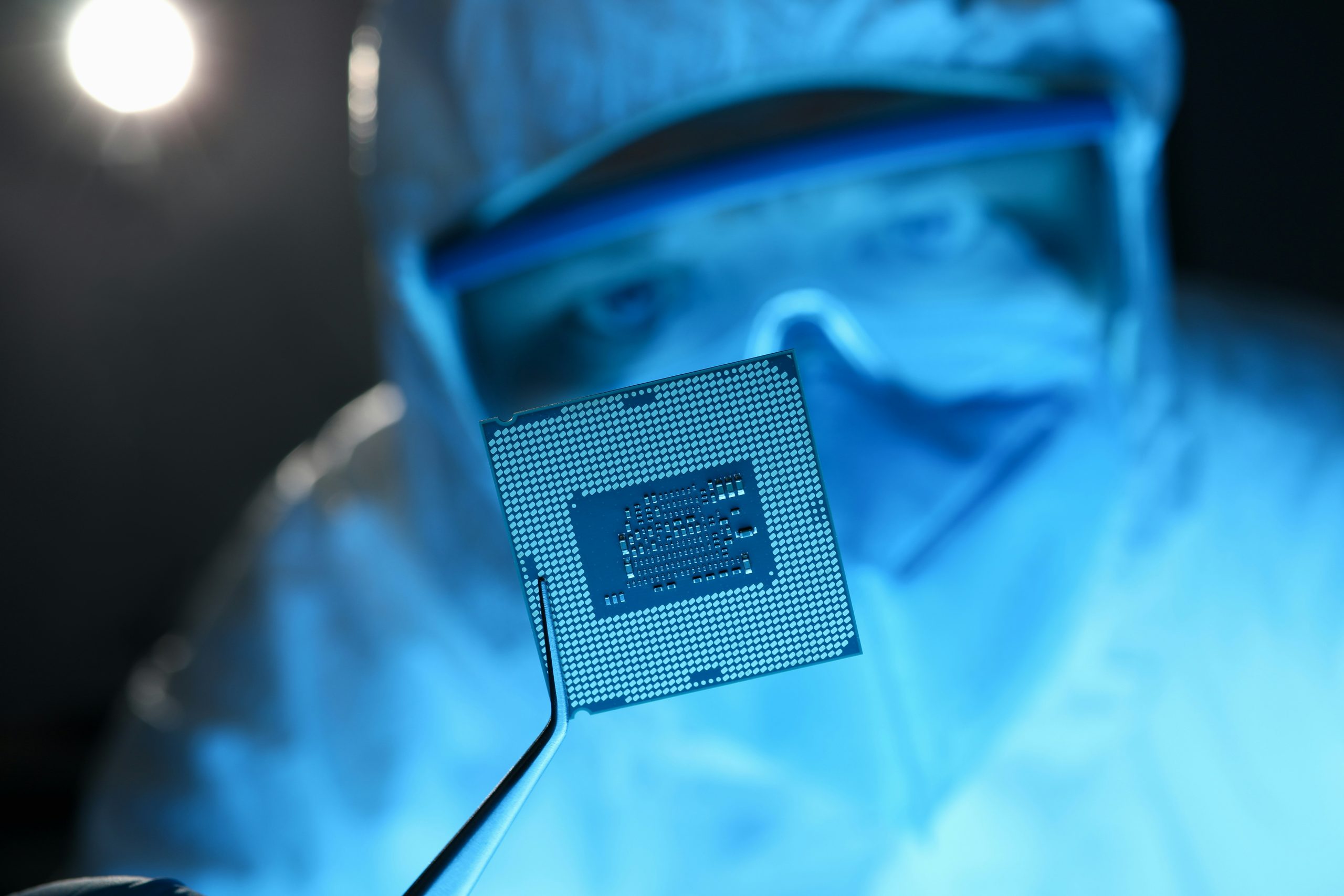
Can Intel justify investors’ faith in it after a patchy few years?
Since then, speculation about a federal stake has dominated the narrative.
Commerce Secretary Howard Lutnick has now confirmed talks between Intel and the US government are happening. SoftBank’s planned capital injection has added to the upbeat mood.
But despite the recent rally, many Wall Street analysts remain cautious about Intel’s prospects.
Intel is expected to post just over US$1 billion (A$1.5 billion) in adjusted profit over the next year, after losing US$1.3 billion (A$2 billion) across the previous four quarters.
That contrasts sharply with the more than US$20 billion (A$30 billion) in annual profits it regularly booked between 2018 and 2021.
For now, Intel’s rebound appears built more on politics and speculation than on earnings.