After Demanding Its CEO Depart, Trump Flags Intel Investment
 Nigel Bowen
15 Aug 2025
Nigel Bowen
15 Aug 2025
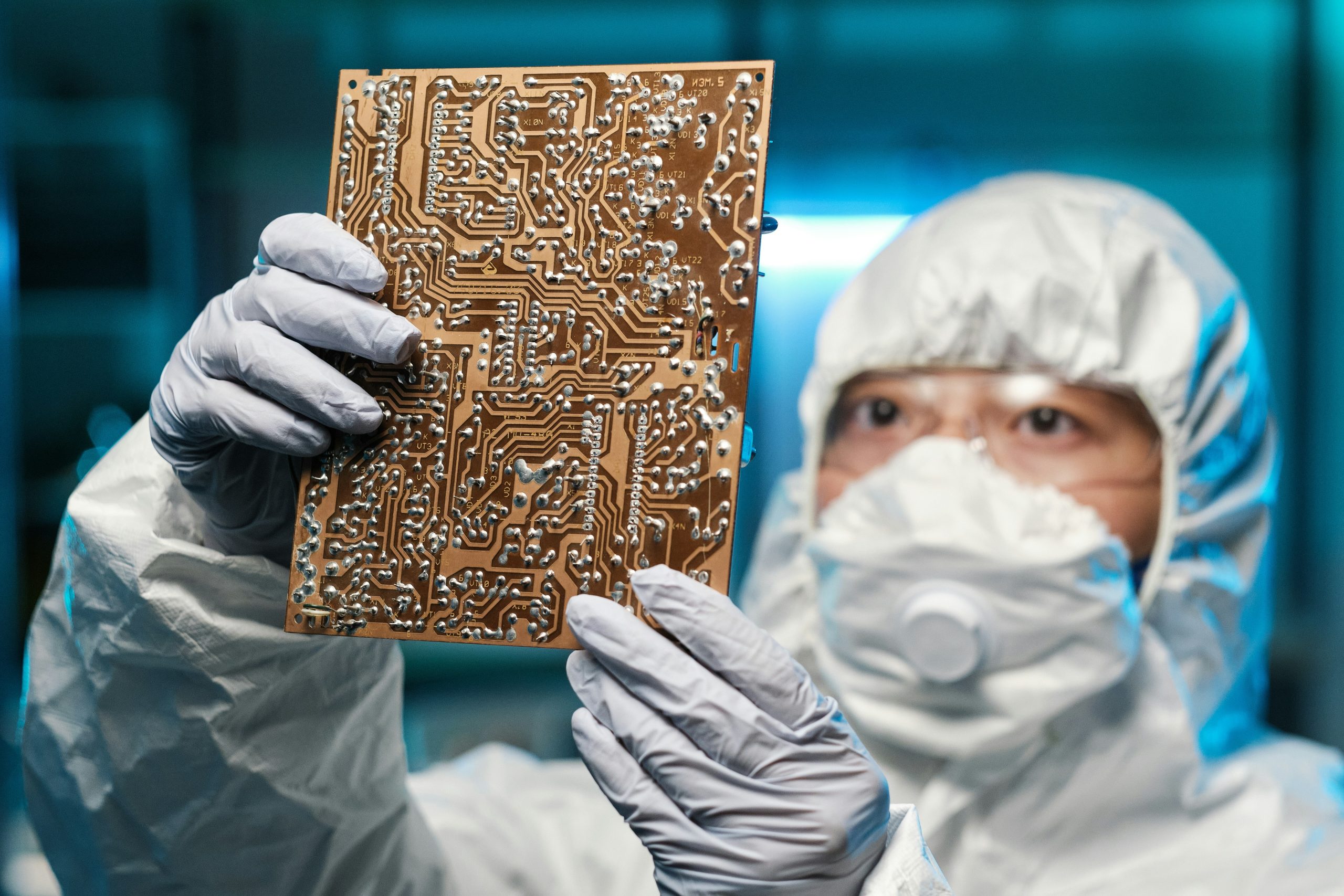
The Trump administration is reportedly in discussions with Intel about potentially taking an equity stake in the chipmaker to shore up its chronically delayed Ohio semiconductor hub.
The move follows a well-publicised conflict between the White House and Intel’s CEO.
Just last week, Channel News reported Trump had demanded the immediate resignation of Lip-Bu Tan, calling him “highly conflicted” over ties to Chinese tech firms, particularly those stemming from his time at Cadence Design and venture firm Walden International.
That story highlighted national security concerns flagged by Senator Tom Cotton, and followed Intel receiving billions of dollars in CHIPS Act funding.
Days later, our follow-up article revealed that Tan was pushing back energetically, calling the Trump allegations “misinformation” and reaffirming his ethical standards as he engaged with the administration.
It now appears the tables are turning once more.
A government stake could both stabilise Intel’s finances and give Washington more influence over the development of Ohio semiconductor hub, long promised to be “the largest semiconductor manufacturing site in the world”.
Of course, the US government taking an equity share in companies is unconventional, but we live in increasingly unconventional times, and such a move wouldn’t be unprecedented.
The current government has already taken a “golden share” in U.S. Steel and approved a US$400 million (A$600 million) Department of Defense equity injection into rare-earth producer MP Materials.

Intel stock climbed more than 7% on the news, a sign that the market sees a public-private deal as a lifeline.
Intel is playing its cards close to its chest. It’s distanced itself from speculation around direct government investment while reaffirming its “deep commitment to supporting President Trump’s efforts to strengthen U.S. technology and manufacturing leadership.”
The White House is also being discreet, with a spokesperson declaring, “Discussion about hypothetical deals should be regarded as speculation unless officially announced by the administration.”
Given how Trump has acted in the past, it’s not unthinkable that a compromise solution could follow despite the invective he has rained down on Intel’s CEO in recent weeks.
It’s been reported that Trump and Tan met to speak directly in recent days.
It now seems possible Tan could hold onto his job, especially if he can persuade Trump of the ongoing importance of Intel’s role in America’s semiconductor industry.