Struggling Intel CEO Pushes Back as Trump Demands Resignation Over China Ties
 Joe Gallop
11 Aug 2025
Joe Gallop
11 Aug 2025

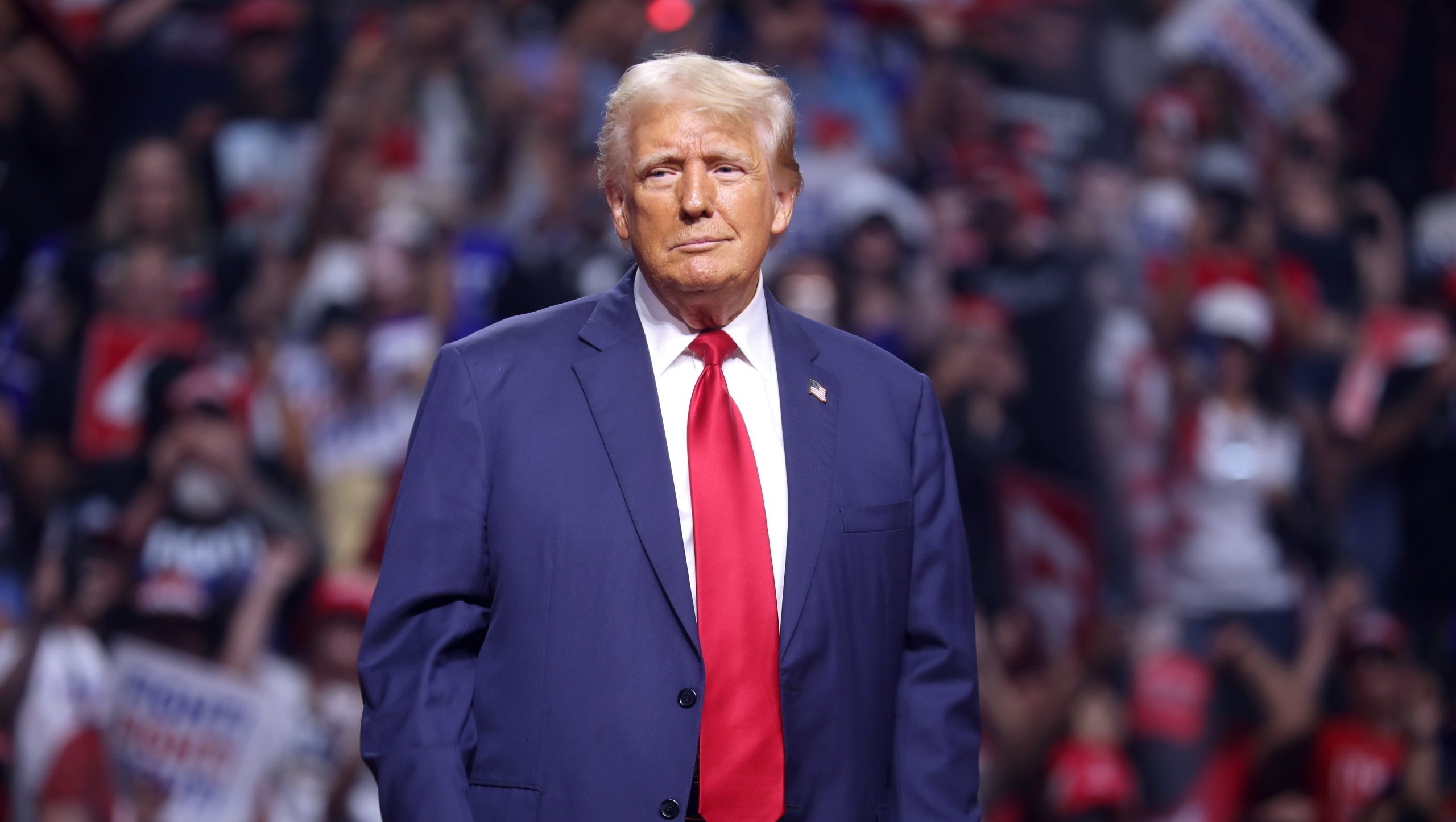
Intel CEO Lip-Bu Tan has rejected “misinformation” about his business history after US President Donald Trump demanded he resign over alleged financial links to Chinese companies with ties to the military.
In a letter to staff on Thursday, Tan said he had “always operated within the highest legal and ethical standards” throughout his 40-year career.
The Malaysian-born US citizen took charge in March as part of a turnaround effort for the struggling chipmaker.
Trump’s call, which was posted on his Truth Social platform, came hours after Republican Senator Tom Cotton, chair of the Senate Intelligence Committee, sent a letter to Intel’s board raising national-security concerns.
Cotton cited an April Reuters investigation claiming Tan invested at least US$200 million in hundreds of Chinese firms between 2012 and 2024, including some with alleged links to the People’s Liberation Army.
Cotton also highlighted Tan’s previous role as CEO of Cadence Design Systems, which last month agreed to pay US$140 million to settle charges it sold chips to a Chinese military institution.
Intel, which last year received US$8.5 billion under the Biden-era CHIPS Act to boost domestic manufacturing, said in a statement that Tan and the board remained “deeply committed” to advancing US national and economic security.
The new CEO of @intel reportedly has deep ties to the Chinese Communists. U.S. companies who receive government grants should be responsible stewards of taxpayer dollars and adhere to strict security regulations. The board of @Intel owes Congress an explanation. pic.twitter.com/3rYhHge6Wa
— Tom Cotton (@SenTomCotton) August 6, 2025
The company added it was working with the Trump administration “to ensure they have the facts”.
The controversy comes amid reports of a power struggle inside Intel’s boardroom.
Sources told the Wall Street Journal that Tan wants to keep the company’s in-house manufacturing, while some directors, led by chairman Frank Yeary, are exploring a spin-off or sale of the loss-making unit.
Talks have reportedly been held with Nvidia, Amazon and Taiwan’s TSMC.
Intel’s share price fell around 3% after Trump’s remarks.
Once the dominant force in PC processors, the California-based company has struggled to keep up with AI-driven rivals like Nvidia, whose market value has soared past US$4 trillion.