Australian Bankers Nervous After Apple Files ‘Unity Dollar’ Trademark
 Nigel Bowen
20 Aug 2025
Nigel Bowen
20 Aug 2025
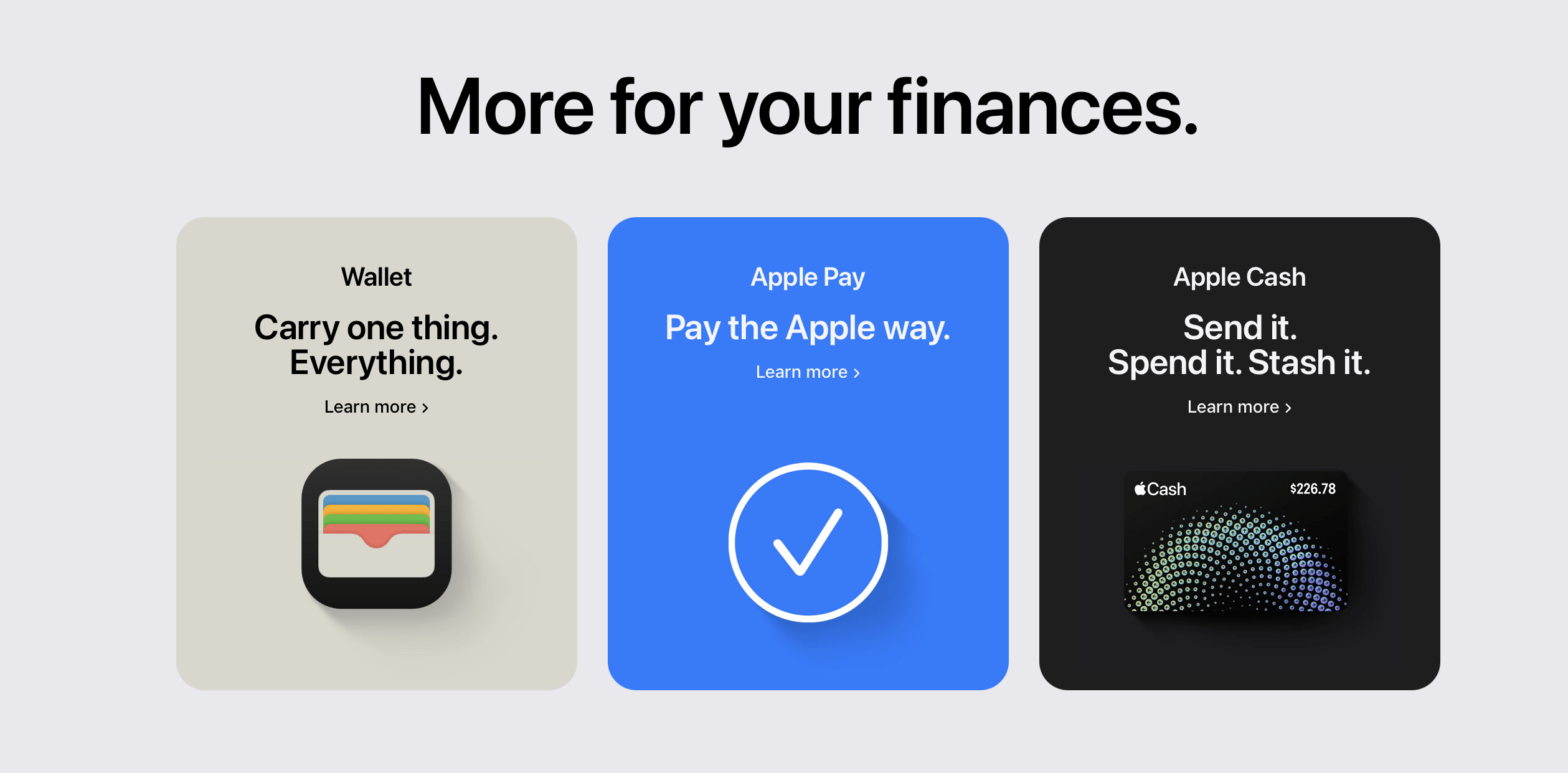
Apple has lodged a trademark in Australia, indicating it is serious about competing with local financial institutions.
Given Apple’s success in stealing business away from America’s banks in recent years, the Australian Banking Association is now understandably anxious.
The trademark application, which was filed on August 1 for the term “Apple Unity Dollar”, sits in the Class 36 category, which covers financial and monetary services.
The application process typically runs for up to 12 months before any registration is approved. (Apple Card, Apple Cash and Apple Pay Cash were all registered as Australian trademarks in 2020.)
Apple’s push into the finance sector is already well advanced in its home country.
For instance, the company has joined forces with Mastercard and Goldman Sachs to create the Apple Card.
Unlike traditional credit cards, the Apple one primarily exists within the Apple Wallet app on Apple devices. In stark contrast to most of the credit cards issued in Australia, Apple Card has no annual, foreign transaction or over-limit fees.
If Apple goes beyond registering trademarks, Australian banks face a competitor with three considerable competitive advantages.

Is another cosy oligopoly about to come to grief at the hands of a disruptive tech company?
That’s because there are around 15 million local iPhone users and about 4 million of them regularly use the Apple Pay digital wallet.
In terms of distribution, iPhone penetration and Apple Pay usage create immediate reach without branch networks.
In terms of engagement, using their iPhone Wallet feature is already a daily habit for many Australians. Adding credit, savings or BNPL-style features is an incremental step, not a behaviour change.
Perhaps most worryingly of all, Apple is renowned for its pricing power and industry-leading UX.
Even if Apple partners with an Australian bank, it can still disintermediate front-end customer relationships and compress fee pools.
What’s more, Apple entering the Australian market is likely to significantly raise consumer expectations around speed, transparency and integration. That’s not good news for any local financial institutions with a dated tech stack.
For now, the locals are putting on a brave face.
The Australian has reported that an Australian Banking Association (ABA) spokesperson claimed Australian banks are “continually innovating and evolving their product offerings” while firing a warning shot across the bows of the foreign competitor.
“Competition and innovation is important, however global tech companies must be subject to the same regulatory oversight and consumer protection laws as Australian banks,” the spokesperson said.
“Australia has one of the most stable banking systems in [the] world and questions need to be asked about whether global tech companies could threaten this stability.”