Inflation Pushed To 3.5%, Years Ahead Of RBA’s Forecasts
 Nathan Jolly
25 Jan 2022
Nathan Jolly
25 Jan 2022
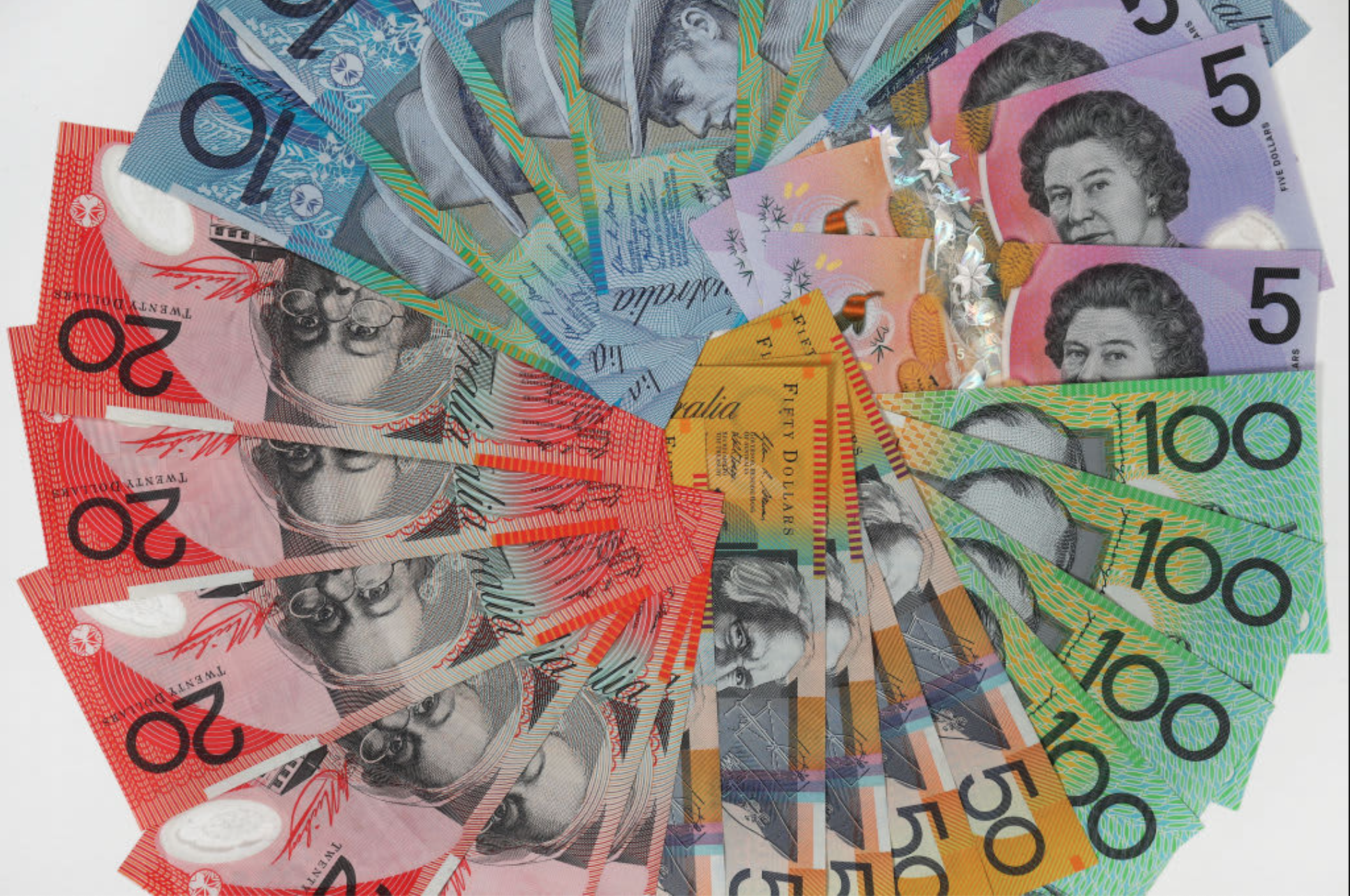
The ongoing global supply chain crisis, stock shortages, rising freight costs and demand, coupled with lockdowns and basic economic insecurity has all converged to see headline inflation spike to 3.5 per cent during 2021.
These results far surpass market expectations, with underlying inflation of 2.6 per cent “years ahead” of the Reserve Bank of Australia’s forecasts.
“Inflation is the highest since 2014, reflecting the broad-based nature of price increases, particularly for goods,” said Australian Bureau of Statistics head of price statistics Michelle Marquardt.
Price inflation of goods was up 4.3 per cent annually, the highest since 2008.
Housing and petrol costs also drove the high result, with housing up 4.2 per cent, and petrol a whopping 6.6 per cent.
“Fuel prices rose again in the December quarter, resulting in a record level for the CPI’s automotive fuel series for the second consecutive quarter,” said Marquardt.
Petrol saw the largest annual price rise since 1990.

This inflation spike mirrors that of many overseas markets, most notably in the US, where inflation sits at 7 per cent, its highest rate in nearly 40 years.
The US Federal Reserve has signalled “two to three” rate hikes during 2022, while Wall Street is pricing in four or more.
Last November, the RBA had forecast underlying inflation to remain at 2.25 per cent until mid-2023.
RBA boss Philip Lowe said that talk of any rate rises in 2022 were a “complete overreaction”.
The RBA has also previously advised it would be holding its historically low 0.1 per cent cash rate until late-2023 or even early 2024.
No doubt, this is now wishing thinking.