Google Chrome Gets AI Agent That Can Browse and Shop on Your Behalf
 Joe Gallop
29 Jan 2026
Joe Gallop
29 Jan 2026

Google is turning Chrome into something closer to an autonomous assistant, announcing a new “auto browse” feature that can surf the web and complete multi-step tasks on a user’s behalf.
The new tool, powered by Google’s Gemini AI, can open websites, click through pages and fill in forms to handle jobs such as comparing flights and hotels, managing subscriptions, booking appointments or gathering documents – all without the user leaving the browser.
Google says early testers have used it for everything from filing expense reports and renewing licences to getting quotes from tradespeople and checking whether bills have been paid.
The company insists the system will not make final decisions, such as placing an order or submitting sensitive information, without explicit user approval.
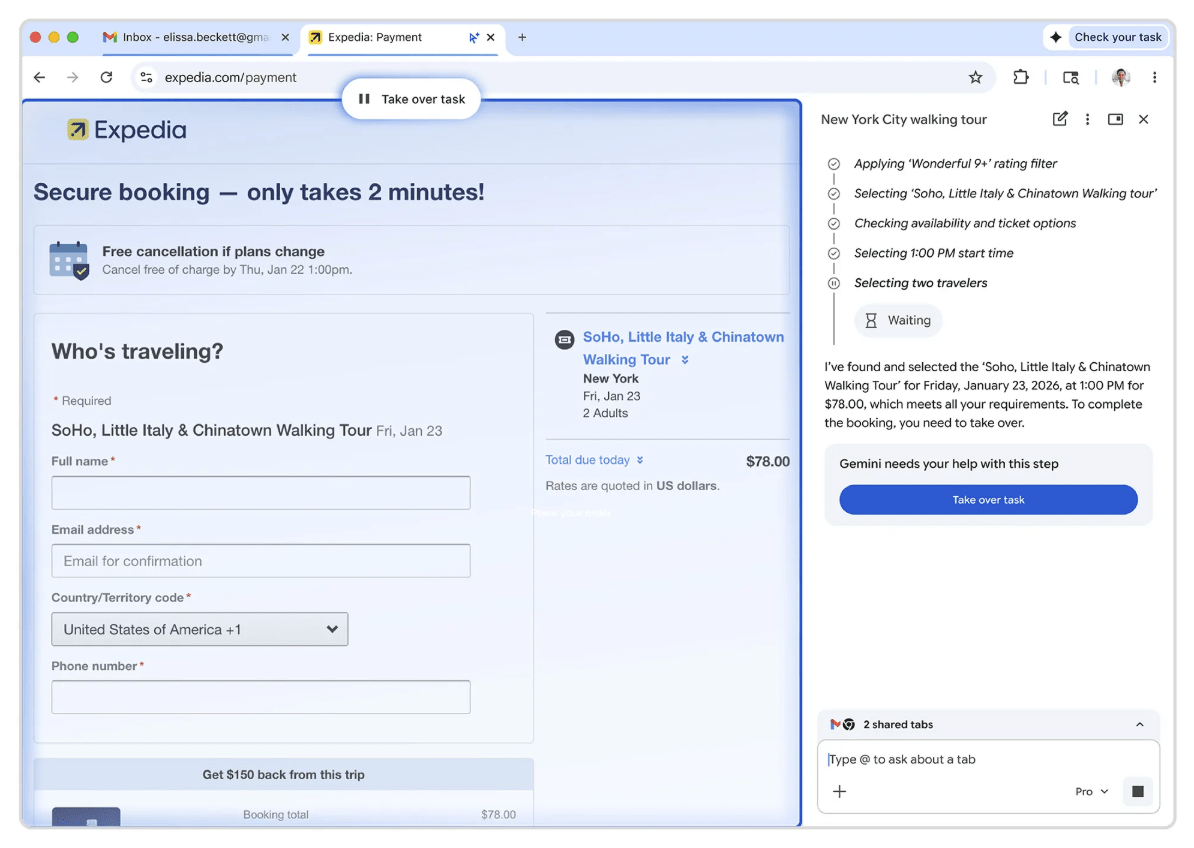
Auto browse is initially rolling out to AI Pro and AI Ultra subscribers in the US. When a task requires logging into a site, the agent can use Chrome’s built-in password manager to sign in on the user’s behalf.
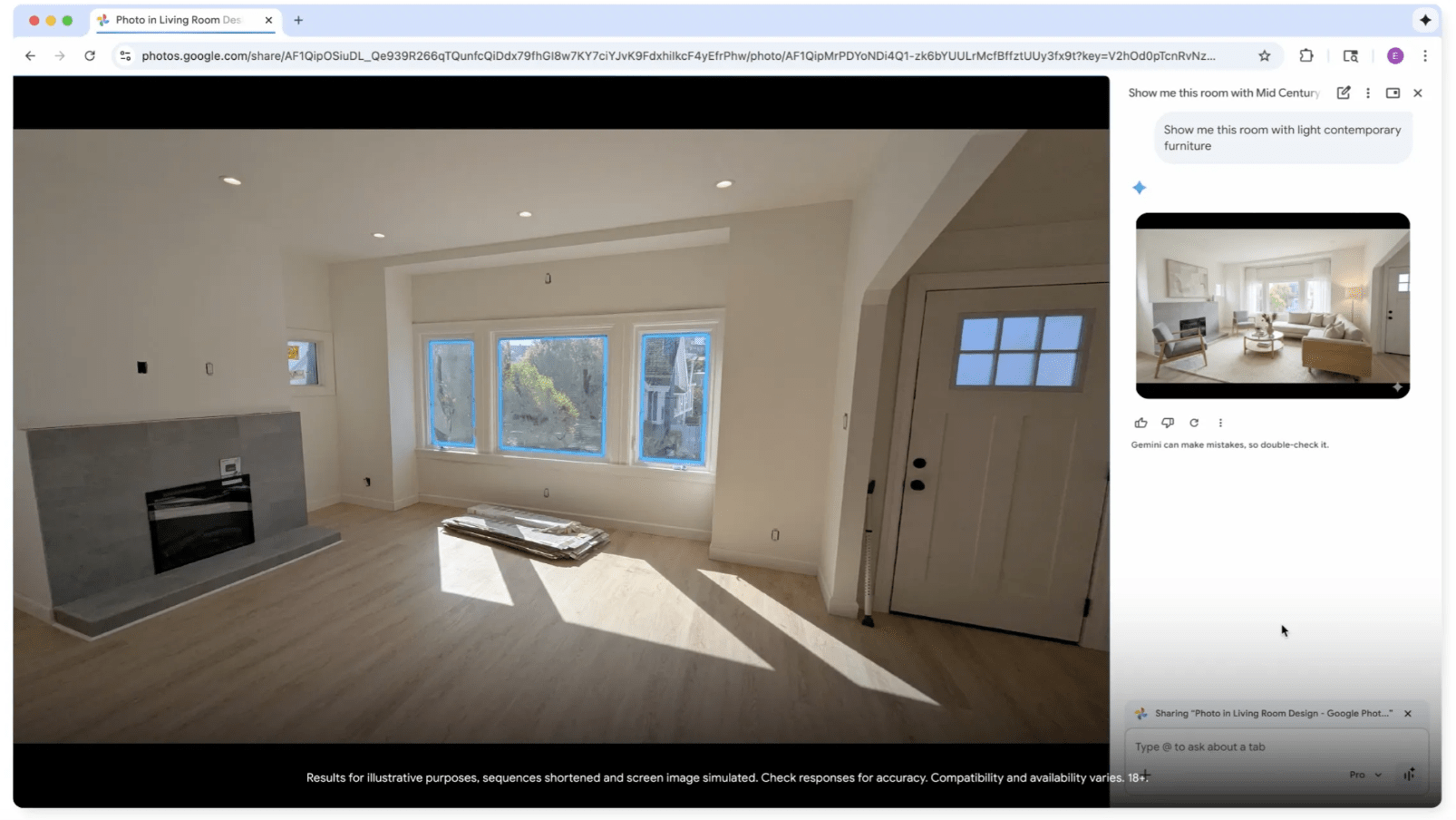
Alongside this, Google is adding its AI image generator and editor, dubbed ‘Nano Banana’, directly into Chrome, as well as moving Gemini into a permanent sidebar.
The update is part of Alphabet’s broader push to weave AI across its products, including Gmail, Search, Maps and YouTube, and to compete with a new wave of “agentic” AI browsers from rivals such as OpenAI and Perplexity.
But the move also lands at a sensitive time for Google on privacy.
Last week, the company agreed to pay US$68 million (A$103 million) to settle a long-running class action over Google Assistant recordings that were allegedly triggered without users’ consent and reviewed by human contractors.
Google denied wrongdoing but the case reinforced concerns about how much personal data its services collect and how it is used.
With auto browse, Google says safeguards are in place and that it is using a mix of AI and on-device models to protect users from scams and abuse.
The push toward agentic AI commerce is already reaching consumers. Following Mastercard’s announcement of Australia’s first fully authenticated AI-powered transactions, shoppers used AI assistants to buy cinema tickets and book accommodation through its Agent Pay system.
The framework ensures every transaction is verified and visible to banks and merchants, extending familiar fraud protections and consumer safeguards into the AI-driven shopping experience.
Giving an AI agent the keys to log into accounts and act on a user’s behalf is likely to reignite debate over whether big tech’s assurances about privacy and control can really be trusted.