REVIEW: Motorola’s Razr Fold Is A Hardware Triumph Let Down By The Software Land Grab Going On Inside It
 David Richards
10 Jul 2026
David Richards
10 Jul 2026

After two weeks with the new Motorola Razr Fold, one thing is abundantly clear: this is a device of two halves, and the split runs straight down the middle between hardware and software.
On the hardware front, Motorola has delivered a genuinely brilliant piece of engineering, a book-style foldable with a cutting-edge processor, a class-leading 6,000mAh silicon-carbon battery, 80W TurboPower charging and a triple 50MP camera system that outguns anything Samsung or Oppo currently have on Australian shelves in the battery department.
This is also the device that should have Apple executives worried.
Cupertino is still yet to ship a foldable, and Motorola has just demonstrated what a first attempt at a book-style device can look like when the hardware team is given free rein.
The problems start when you turn the thing on and suddenly you have to confront the clutter of their management systems especially around contacts, making a call and wanting to see you last calls.
While everything is there it’s the layout design that needs to be reengineered.
This is where Samsung is superior and all Motorola has to do is fix their clutter software design an issue I will address shortly. 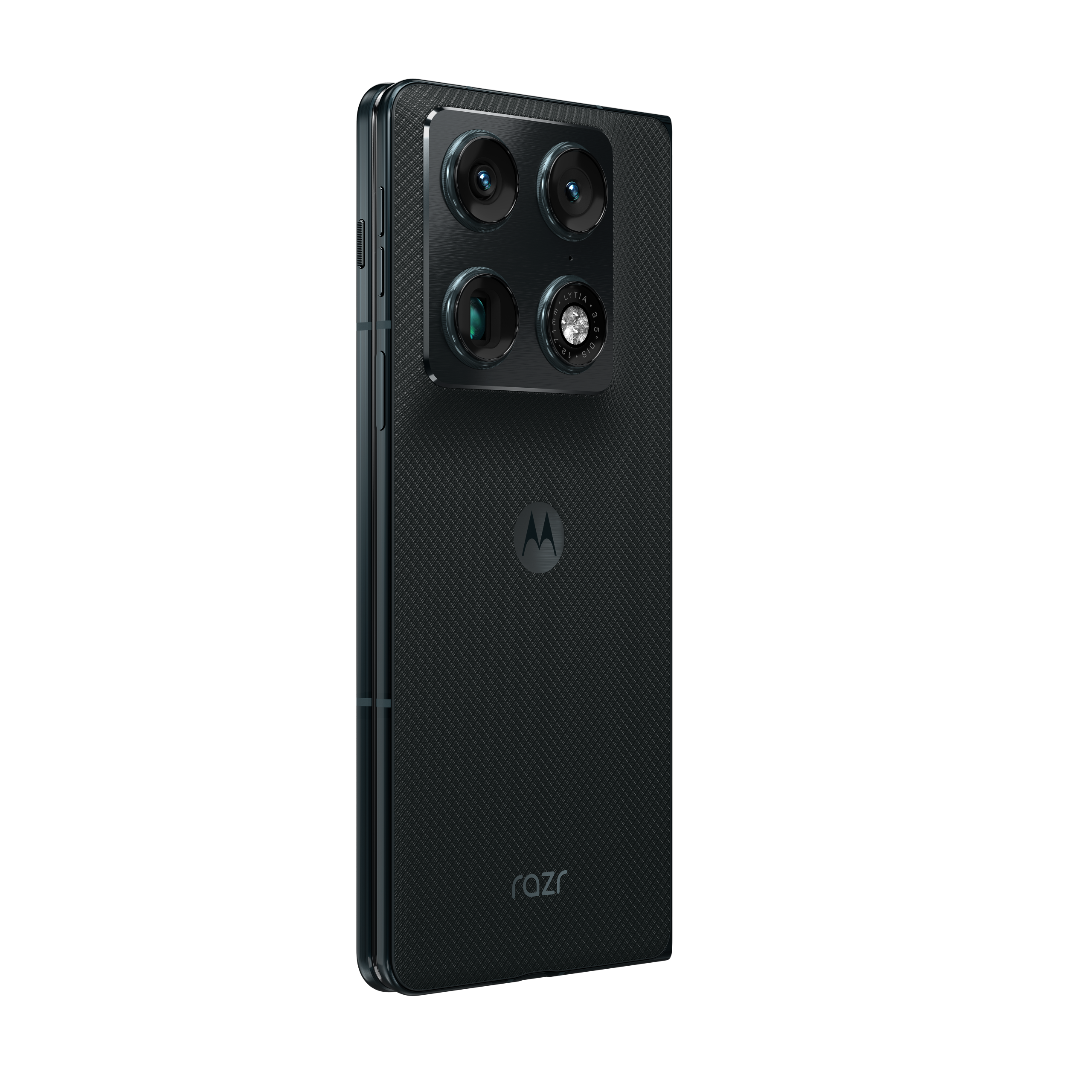
The Price Question
At JB Hi-Fi and Harvey Norman the Razr Fold is currently selling for $2,399, a $400 launch discount off the $2,799 RRP that runs until early August. That is not cheap, but it is shaping up as one of the better value book-style foldables in the Australian market, with Samsung’s incoming Galaxy Z Fold expected to land at a significantly higher price point.
Here is the sting Australian buyers should know about: we are getting the 256GB model, while consumers in markets such as the US are being sold a 512GB version with 16GB of RAM, in some cases at a lower local price.
Motorola Australia needs to explain why Aussie consumers are paying premium money for half the storage.
Hardware: Where Motorola Nails It
Pick the Razr Fold up for the first time and the premium build quality is immediately obvious.
This is the world’s first smartphone to ship with Corning’s new Gorilla Glass Ceramic 3 on the cover display, and the curved 2.5D edges feel superb in the hand, a genuine credit to Motorola’s industrial design team.
After two weeks without a case or screen protector, my review unit still looks pristine.
At 4.6mm open and 9.9mm closed, the dimensions are excellent.
Closed, it works as a perfectly normal smartphone.
Open, it becomes a book-style canvas that I used repeatedly for watching World Cup matches, at the airport, on the couch, and yes, the occasional sneaky look at a restaurant table.
Then there is the camera bump.
It is enormous, and it completely unbalances the device when laid flat on its back fully opened, to the point where you find yourself wanting to prop up one side to stop the rocking.
Motorola is not alone here, with Samsung and Oppo foldables suffering the same protruding-camera design disease, but at this price the wobble grates.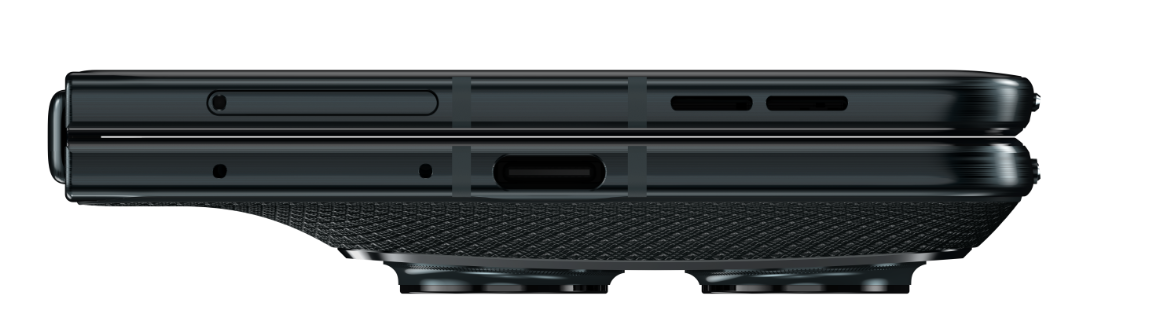
What I have suggested is a piece of foam or even rubber that raised the left side to match the right side, cheap it can easily be packed into the box when shipped.
The hinge is a stainless steel droplet design, paired with a titanium plate beneath the folding display that spreads pressure and minimises the crease. It works and is highly functional.
There is a crease, but you genuinely have to go hunting for it, and with the display fired up it disappears entirely.
That is no accident.
Despite being a Chinese-owned company under Lenovo, Motorola has built a reputation for some of the best industrial design and colour work in the premium smartphone business, and the Razr Fold continues that tradition, arriving in two Pantone finishes.
The Display: Best In The Business
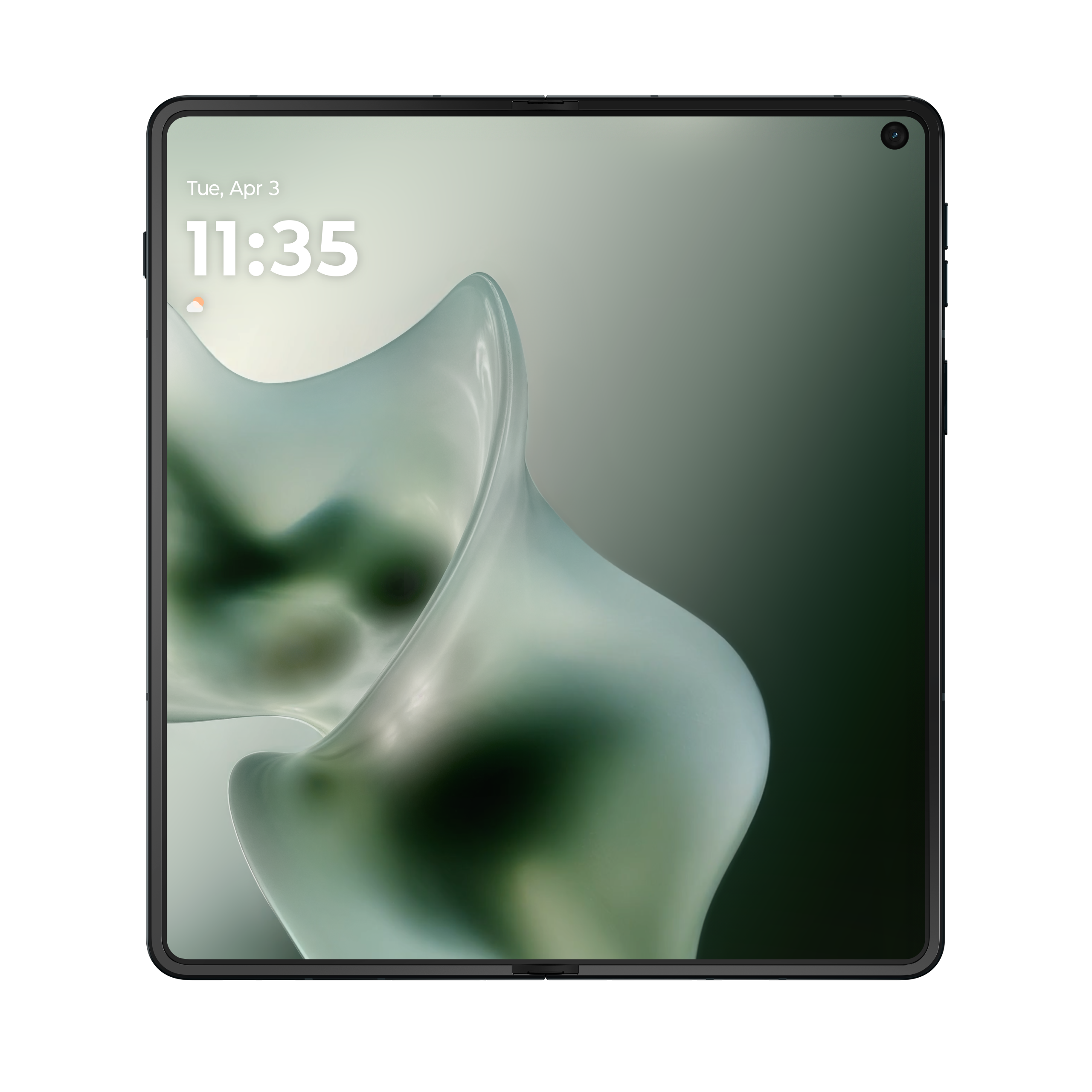
The standout feature is the 8.1-inch internal display, and it is not close.
Rated at up to 6,200 nits of peak brightness, this is the brightest inner screen of any foldable sold in Australia today, and in my testing it comfortably outshone not just its foldable rivals but the latest iPhone Pro and Samsung’s S26 Ultra for sheer visual punch.
I sat at Balmoral Beach on a bright, sunny Sydney day and read the screen without hunting for shade.
That has never been possible on a foldable before.
Images and video leap off the panel, and at 243 grams the device is heavier than rivals but never feels it in use.
The near-square internal aspect ratio is built for multitasking, running up to three apps side by side or stacked, and it does this more gracefully than Samsung’s Z Fold 7.
Motorola’s split-screen implementation, which proactively suggests splitting when you bounce between two apps, is genuinely clever.
Stylus fans should note the Moto Pen Ultra is sold separately in Australia at extra cost, unlike some overseas markets where it is bundled. Personally, I would lose the thing within days.
Cameras: Good, But Believe It’s As Good As Any Out There
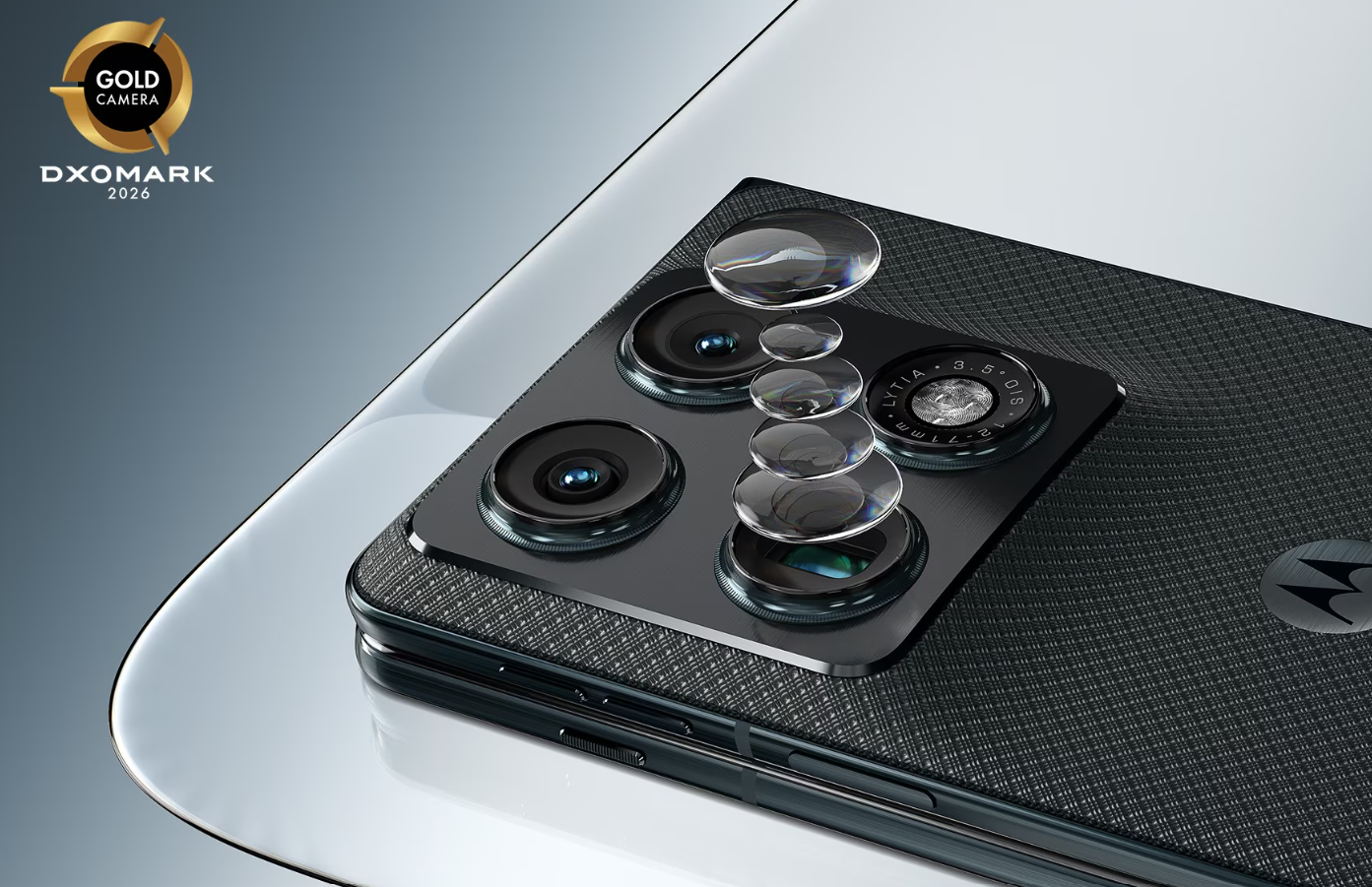
Motorola has fitted a triple 50MP array headed by Sony’s new Lytia 828 main sensor, alongside a 50MP periscope telephoto with 3x optical zoom and a 50MP ultrawide with macro capability.
The system picked up a DXOMARK Gold Label and ranked first among foldables tested by the benchmarking firm.
In real-world use, the results are dramatic, sometimes too dramatic.
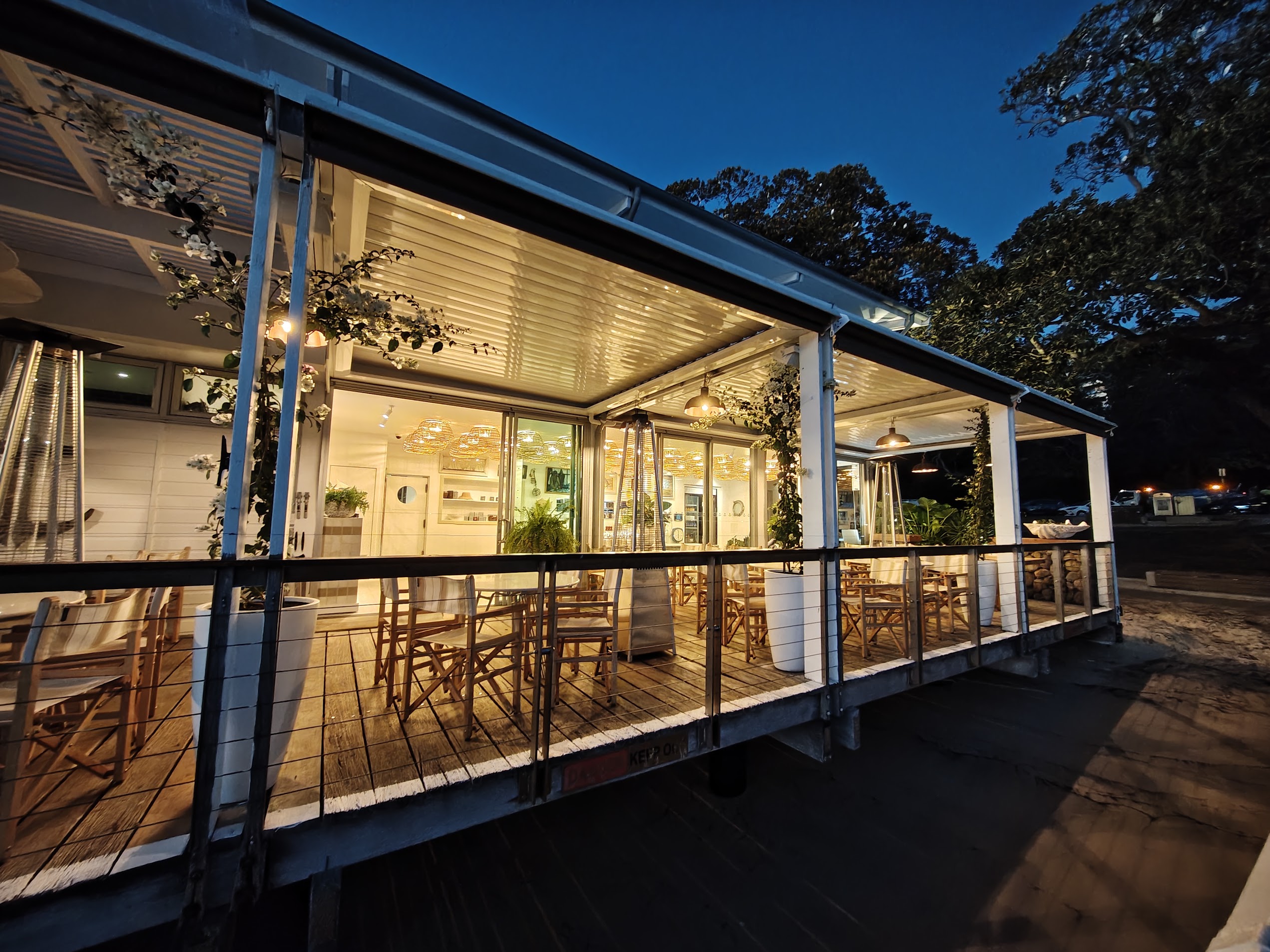
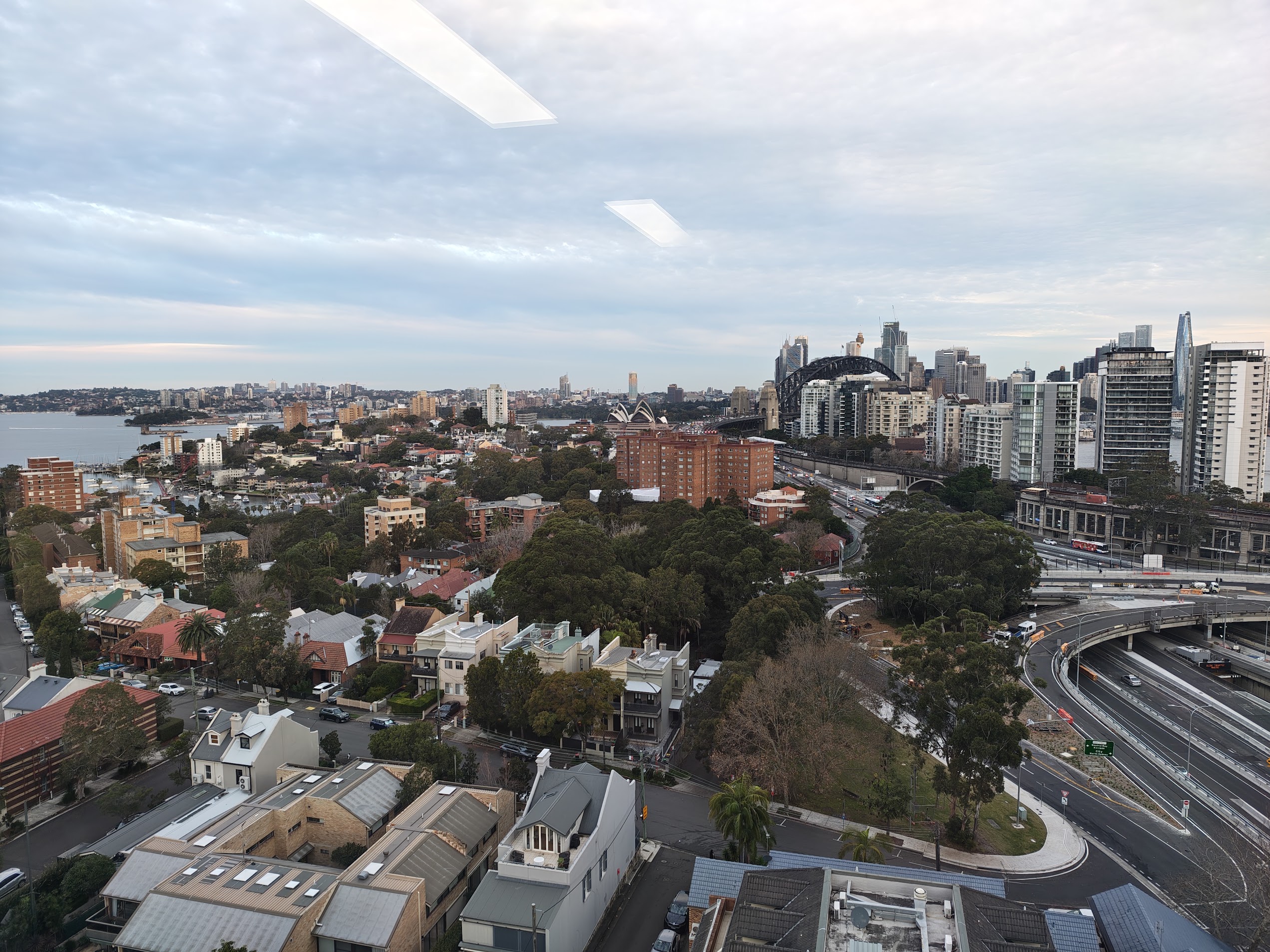
Shooting at dawn on the beach at 6.15am, the Razr Fold produced punchy, richly detailed images that flatter dull conditions and looked brilliant considering they were shot with hardly any light.
But Motorola’s Photo Enhancement Engine is aggressive and switched on by default, and the heavy contrast and saturated processing is doing a lot of the work.




Purists will want to dig into the settings and dial it back, or train the Signature Style mode to their own taste.
My view: three 50MP sensors is a spec-sheet advantage
Two genuinely consistent cameras would serve most buyers better than the current arms race, a criticism that applies equally to Samsung’s 200MP Z Fold 7 headline act but with this device you get three and you benifit from the additional technology.
Worth noting too that under the bonnet sits Qualcomm’s Snapdragon 8 Gen 5, not the flagship Snapdragon 8 Elite Gen 5 that Oppo and Honor are shipping in their latest foldables.
For a device pitched at productivity power users, it is a curious corner to cut, even if everyday performance never stuttered in my testing with the device coming across as a powerhouse that is actually cheaper than those with the higher performing processor.
Audio: Bose Badge, Modest Delivery
Motorola has partnered with Bose and Dolby on the audio system, with symmetrical stereo speakers top and bottom and Dolby Atmos kicking in the moment you pair headphones.

Through a decent pair of headphones the setup is powerful, but be honest with yourself about what the tuning is adding. On high-end Bluetooth headphones the Dolby processing is barely perceptible. Through the built-in speakers the phone goes impressively loud, but the bass is thinner than Samsung’s Z Fold 7, which benefits from the audio DNA of its long-held AKG acquisition. This is not a party speaker, it is a very good phone speaker with a premium badge on it.
Software: The Battle For Your Screen
And now the half of the device that lets the side down.
The moment you start using the Razr Fold in anger, making calls, managing contacts, opening documents, you run headlong into the turf war being fought on your screen between Google, Motorola, Adobe, Microsoft and Perplexity, all of whom ship pre-loaded AI assistants and services fighting for your attention. It is the Windows PC playbook all over again, hands thrust into your experience at precisely the moment you do not want another interruption.
Motorola’s Moto AI sits alongside Google Gemini and Perplexity out of the box, and the result is a device that too often feels like contested territory rather than a product with a single point of view.
The underlying Hello UI is clean and close to stock Android, which makes the pile-on more frustrating, because the foundation is good.
Verdict
The Razr Fold is the best hardware Motorola has ever built and the first book-style foldable that genuinely threatens Samsung’s dominance of the category in Australia. The display is the finest on any foldable sold here, the battery is the biggest, the design is the classiest, and at $2,399 on launch discount it undercuts what Samsung is expected to ask for its next Fold.
If Motorola can win the software war going on inside its own device, and explain why Australians get half the storage of other markets, it has a category killer on its hands. Until then, buy it for the hardware and be prepared to spend an afternoon taming the software.
Rating: 9.0/10