Big Tech’s Privacy Promises Under Fire as Meta and Google Face Legal Showdowns
 Joe Gallop
27 Jan 2026
Joe Gallop
27 Jan 2026
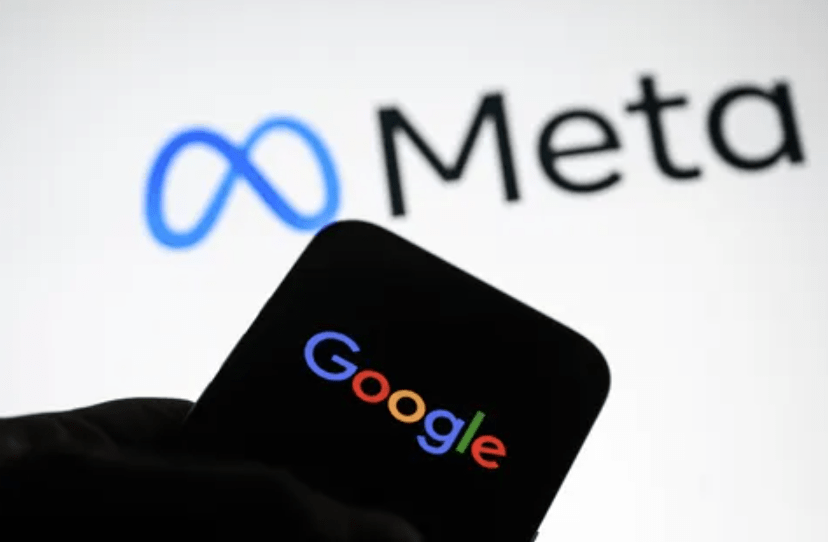
Two of the world’s biggest technology companies are under renewed scrutiny over how they handle user data, with Meta and Google both facing major legal action over claims their products don’t live up to privacy promises.
Meta is being sued in the US by an international group of plaintiffs, including users from Australia, who allege WhatsApp’s much-touted end-to-end encryption isn’t as private as the company claims.
The lawsuit argues that Meta and WhatsApp can “store, analyse, and access” users’ supposedly private messages, directly challenging one of the messaging app’s core selling points.
WhatsApp has promoted end-to-end encryption since 2016, telling users that “only people in this chat can read, listen to, or share” messages. But the complaint claims that internal access is possible and cites unnamed whistleblowers. The plaintiffs’ lawyers are seeking to have the case certified as a global class action, potentially affecting billions of users.
Meta has strongly denied the allegations, calling the lawsuit “frivolous” and insisting WhatsApp uses the Signal protocol for encryption.
“Any claim that people’s WhatsApp messages are not encrypted is categorically false and absurd,” a spokesperson said, adding the company would pursue sanctions against the plaintiffs’ lawyers.
At the same time, Google has agreed to pay US$68 million (A$103 million) to settle a long-running class action over its Google Assistant voice service.
The case stemmed from reports in 2019 that the Assistant sometimes recorded conversations without users intentionally triggering it with “Hey Google” or “OK Google” – so-called “false accepts” – and that some of those recordings were reviewed by human contractors.
Plaintiffs accused Google of unlawfully recording private conversations and using the data for advertising. Google has denied wrongdoing but agreed to settle to avoid the cost and risk of ongoing litigation.
If approved by the court, the settlement will compensate users who owned or lived with devices like Pixel phones, Google Home and Nest speakers dating back to 2016.
Both cases underline a growing global backlash against big tech’s handling of personal data. They raise fresh questions about whether the industry’s privacy assurances can really be trusted.