Apple Now Dependant On Samsung For New iPhones After Another OLED Display Failure
 David Richards
29 Jan 2026
David Richards
29 Jan 2026
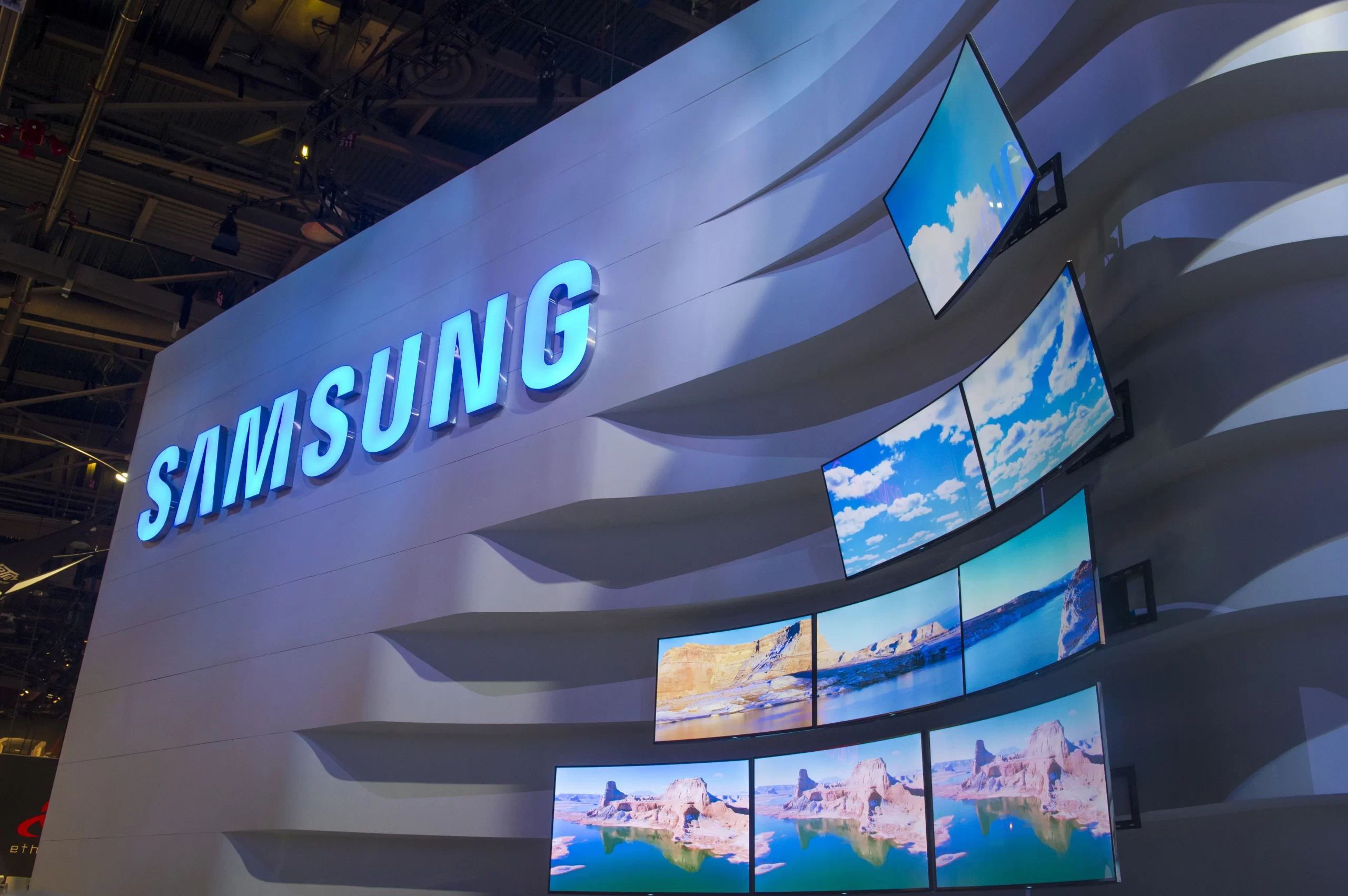
Apple is being forced to make major adjustments to its supply chain ahead of the launch of its next iPhone lineup, with Samsung emerging as the primary beneficiary after Chinese display maker BOE failed to resolve serious manufacturing problems.
According to recent reports, BOE is facing an escalating production crisis that has intensified in recent days, prompting Apple to shift a substantial portion of its OLED display orders back to Samsung. The situation highlights Apple’s ongoing struggle to secure lower-cost suppliers—an effort that has repeatedly backfired in the past, ultimately forcing the company to rely on more expensive partners when Chinese suppliers fall short.
While BOE has encountered manufacturing challenges before, sources describe the current situation as both “severe” and “puzzling.” Persistent defects have plagued BOE’s OLED panel production for new iPhones scheduled for release in September 2026. Since late 2025, BOE has been unable to correct process-related defects at its B11 manufacturing facility in Mianyang, creating uncertainty around its ability to meet Apple’s quality standards.

A little more information is known about the the iPhone 16e than Apple would like
As a result, Apple has turned once again to Samsung Display, which has reportedly secured an order for approximately 90 million display panels for the iPhone 17 lineup. Samsung Display is said to have absorbed millions of redirected orders—roughly half of BOE’s original allocation for the holiday season and early 2026.
BOE’s total display shipments for 2025 are now expected to fall well below its 2024 total of 40 million units. Particularly concerning for industry analysts is that the failures extend beyond high-end displays. BOE has struggled with the complex Low-Temperature Polycrystalline Oxide (LTPO) panels required across the entire iPhone 17 range.
BOE reportedly secured only a limited “risk production” volume of around 10 million iPhone 17 display units, most of which has since been reassigned to Samsung. The company has also halted production for legacy iPhone models. Previously, BOE had supplied LTPS panels for these devices without issue, making the sudden emergence of defects in late 2025 a sign of deeper systemic problems at the Mianyang facility.
In response to BOE’s manufacturing setbacks, Apple is now adjusting its product roadmap for 2026 to mitigate further supply disruptions. At present, BOE remains the primary supplier for the lower-cost iPhone 17e, expected to launch in September 2026. However, Samsung insiders told ChannelNews that Apple has placed Samsung on standby to take over these orders should BOE fail to stabilize production.
Looking further ahead, rumors suggest Apple plans to raise brightness requirements for the iPhone 18 to more than 3,500 nits. Early reports indicate BOE is already being sidelined for Apple’s 2026 flagship devices after failing to meet upcoming technical specifications. This could leave iPhone 18 Pro display orders entirely in the hands of Samsung Display and LG Display, the latter having returned to profitability after four years, largely driven by renewed Apple demand.
BOE’s production crisis follows a major legal settlement reached in late 2025 with Samsung Display, which had sued the Chinese firm for patent infringement and trade secret theft related to AMOLED technology. BOE reportedly agreed to pay royalties as part of the settlement, just months before its manufacturing problems reached a critical point—further weakening its competitive position in Apple’s supply chain.
This is not the first time Apple has faced supply chain disruptions tied to OLED displays.
In previous iPhone cycles, LG Display struggled to meet Apple’s quality and yield requirements, leading to delays and reduced panel output. Those issues ultimately forced Apple to reallocate orders to Samsung Display, which at the time was the only supplier capable of delivering large volumes of high-quality OLED panels on schedule.
The episode reinforced Apple’s dependence on Samsung during periods of supplier instability—a pattern now repeating itself with BOE.