Google Takes On Nvidia With New AI Chip Push
 Joe Gallop
22 Jun 2026
Joe Gallop
22 Jun 2026

Google is stepping up its bid to challenge Nvidia in the booming AI chip market, using its balance sheet to win data centre customers for its own silicon.
The company is backing a major AI data centre project in New York, known as Lake Mariner, with a reported US$3.2 billion financial guarantee. The facility is expected to rent computing power from thousands of Google’s Tensor Processing Units, or TPUs, to AI company Anthropic.
The move mirrors a strategy long used by Nvidia, which has supported data centre and cloud partners to drive demand for its graphics processing units. Nvidia’s GPUs remain the dominant hardware for training and running AI models, but rivals are now trying to exploit soaring demand for compute capacity.
Google’s TPUs were originally developed for its own products, including Search, AI services and cloud workloads. The company has since made them available through Google Cloud and is now moving more aggressively to sell the chips and related infrastructure to external customers.
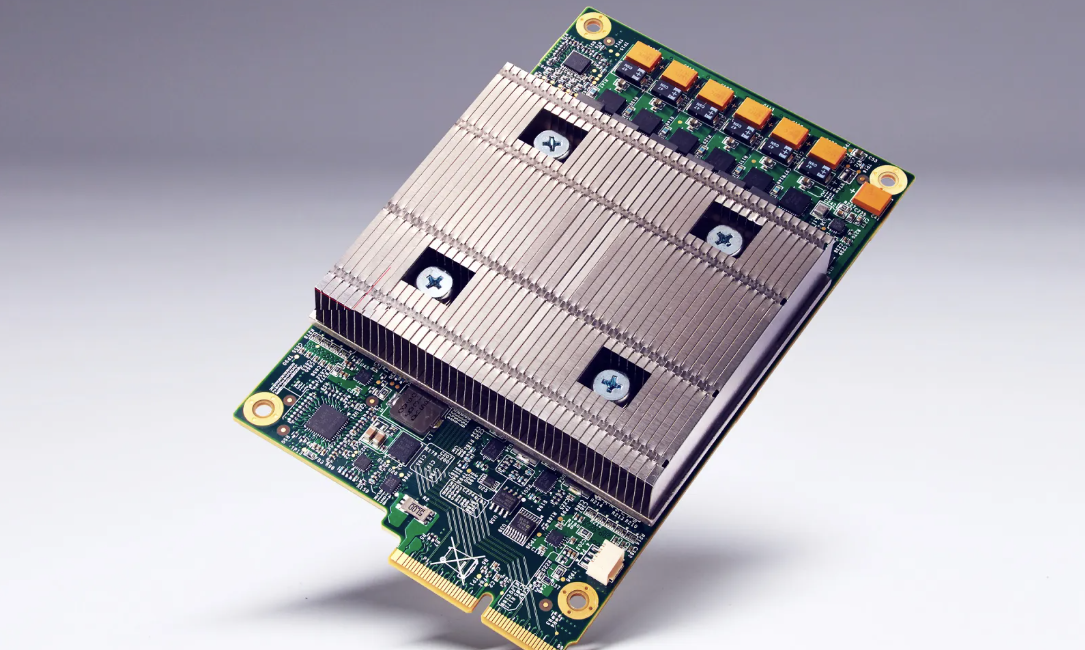
The shift comes as major technology companies look to reduce reliance on Nvidia and secure more control over AI infrastructure. Amazon, Microsoft and Meta are also investing heavily in custom chips, while chipmakers including AMD and Broadcom are chasing the same market.
Google’s advantage is its financial firepower. In addition to Lake Mariner, the company is reportedly backing other AI infrastructure projects tied to Anthropic and cloud computing leases in the US.
The push also reflects growing urgency inside Google Cloud, where AI infrastructure has become a key battleground. Google has a close relationship with Anthropic, while Nvidia is closely aligned with OpenAI and a number of AI cloud providers.
Nvidia chief executive Jensen Huang has publicly played down the threat from Google’s TPUs, arguing Nvidia’s reach, software ecosystem and hardware stack remain well ahead of custom chip rivals.
However, the demand for AI compute is now so strong that customers are increasingly looking for alternatives.
For Google, that creates an opportunity to turn years of internal chip development into a much larger commercial business.