Nothing Delays Next CMF Phone As Rising Memory Costs Hit Smartphone Industry
 April Ossington
22 Jun 2026
April Ossington
22 Jun 2026
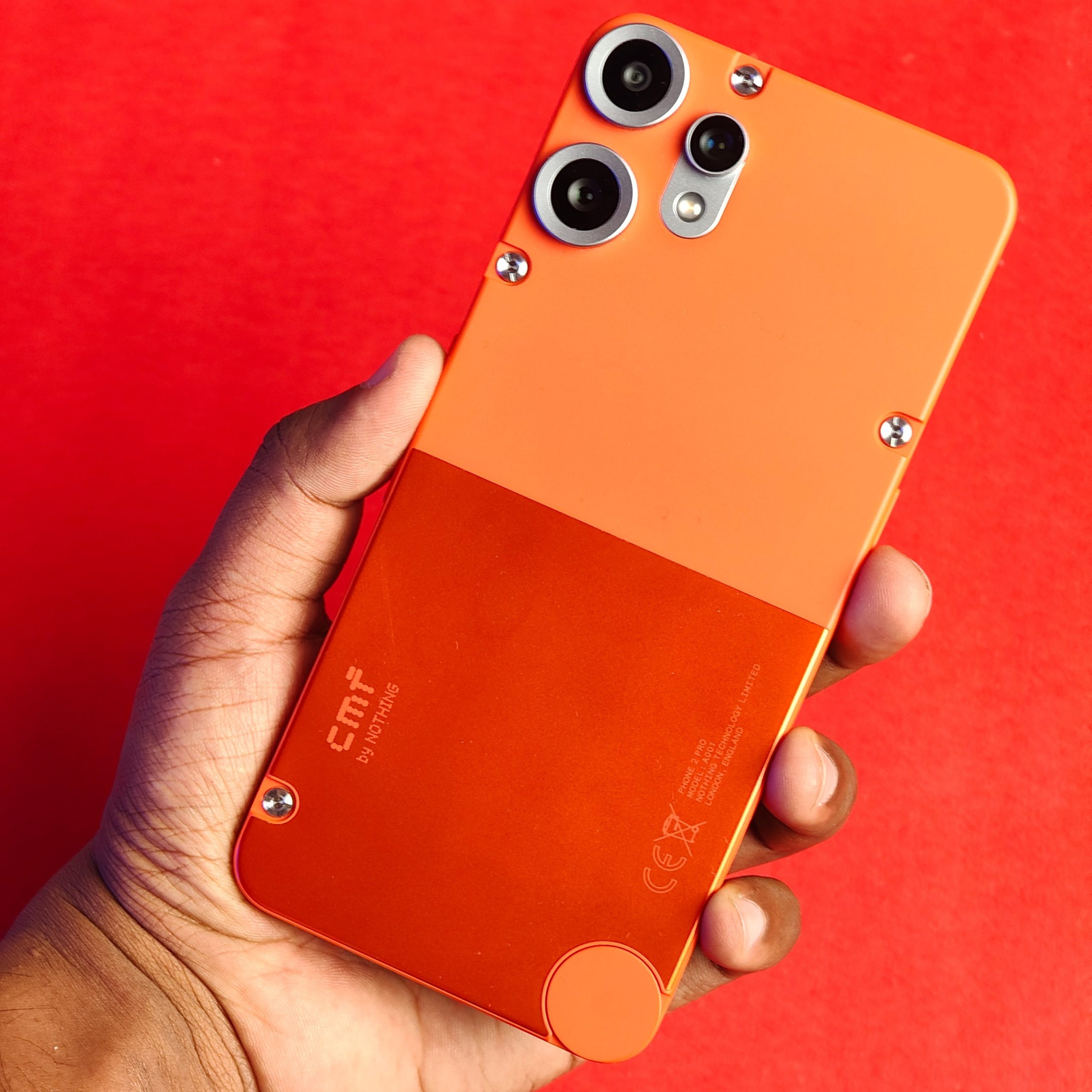
Nothing has confirmed that a new CMF-branded smartphone will not arrive this year, with escalating memory costs making it difficult for the company to deliver a meaningful upgrade while maintaining the affordability the range is known for.
The announcement came from Nothing co-founder Akis Evangelidis, who explained that although work had been carried out on a follow-up device, the company ultimately decided against bringing it to market. According to Evangelidis, the challenge was creating a product that offered enough improvements over the existing model without pushing the price beyond what customers would expect from the CMF brand.
The CMF Phone 2 Pro, which launched in April 2025, earned a reputation as one of the more compelling value-focused Android smartphones available. Priced at around A$427 at launch based on direct currency conversion, the handset offered a strong balance of features and affordability.
However, the economics of smartphone manufacturing have changed considerably since then. Evangelidis noted that if the same CMF Phone 2 Pro were released under current market conditions, it could cost between A$490 and A$567 despite offering identical specifications. Any successor featuring upgraded hardware would likely need to be priced even higher.
At the centre of the issue is the soaring cost of memory components. DRAM and NAND prices have risen significantly due to constrained supply and growing demand from artificial intelligence infrastructure. Large-scale AI data centres require enormous quantities of memory, placing additional pressure on global supply chains.

nothing.community/en
Nothing chief executive Carl Pei recently highlighted the scale of the challenge, stating that memory now accounts for more than half of a smartphone’s total hardware cost. In some cases, it has become a larger expense than the processor or display.
The impact is unlikely to be limited to a single manufacturer. Smaller brands often face greater pressure because they lack the purchasing power enjoyed by major players such as Samsung and Apple. As component costs continue to rise, manufacturers may be forced to reduce hardware specifications, delay upgrades or increase retail pricing.
Consumers shopping for budget and mid-range smartphones could see the effects most clearly. Future devices may retain lower storage capacities for longer periods, offer less memory at the same price point or arrive with higher launch prices than previous generations.
Industry analysts have also warned that premium smartphones may not be immune. Reports have already suggested that upcoming flagship devices across the industry could see noticeable price increases if component costs remain elevated.
While the decision to cancel a planned smartphone release may disappoint some fans, Nothing’s willingness to openly discuss the financial realities behind the move provides a rare glimpse into the challenges currently facing the wider smartphone market. As memory prices continue to climb, other manufacturers may soon find themselves making similar decisions.