Microsoft Now Wants Users To Adopt Chinese Deepseek AI After Failure Of Copilot
 David Richards
22 Jun 2026
David Richards
22 Jun 2026
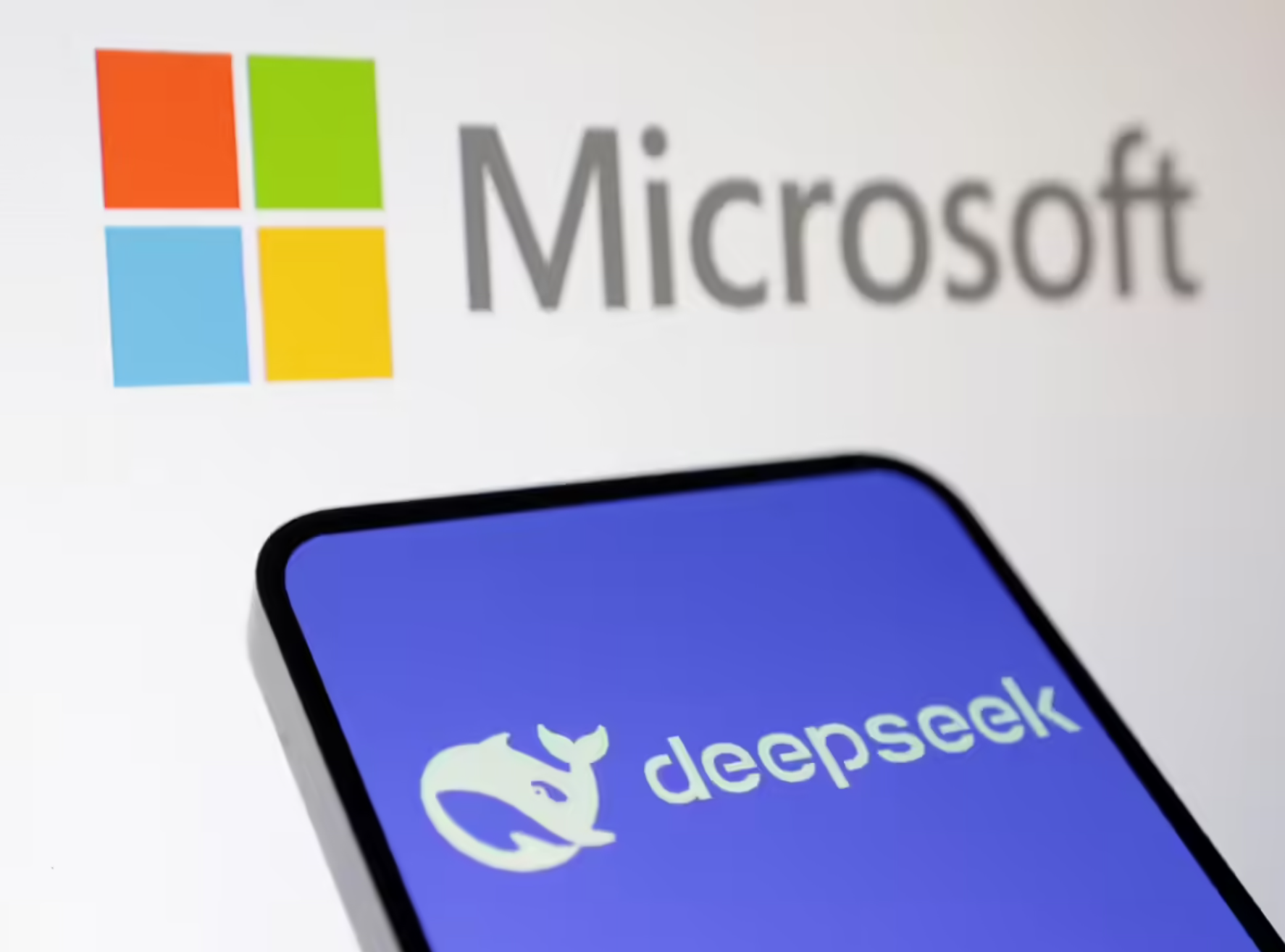
Microsoft has placed itself on a direct collision course with the Australian Federal Government and the nation’s corporate boardrooms and businesses.
In a desperate bid to salvage its glitch-ridden, multi-billion-dollar Copilot ecosystem, the US tech giant is turning to Chinese AI firm DeepSeek—a move local security experts describe as a geopolitical hand grenade.
The gamble comes as corporate Australia pushes back against the forced integration of Copilot into Windows, Outlook, Teams, and Azure, as well as across their Xbox gaming platform.
Despite two years of aggressive bundling, local adoption of Copilot has stalled.
Australian businesses and consumers are actively fleeing the software following a toxic mix of desktop intrusion, invasive automation, and crippling global outages.
Like they do with their struggling Microsoft Edge the Company is now trying to choke consumers into using Copilot claim observers.
The strategy fractured publicly at Microsoft’s Build 2026 conference. Just 72 hours after CEO Satya Nadella pitched Copilot as “the first truly agentic OS,” the infrastructure suffered a catastrophic global meltdown, locking out thousands of active users.
According to data tracking from IT channels like Windows Forum, the instability has become a chronic operational risk.
June alone saw two devastating infrastructure failures that hurt Australian business using Microsoft technology
A five-hour global authentication blackout frozen critical operations across Microsoft 365, Windows, and Visual Studio.
A secondary cross-platform collapse knocked out Copilot across web, mobile, desktop, and Teams interfaces.
“The pattern is the problem, not the isolated outage,” warned a Windows Forum analyst, mirroring warnings from Australian chief information officers (CIOs) weary of Microsoft’s software instability.
For Australian organizations bound by Privacy regulations Copilot’s security posture is becoming an unmanageable liability.
The software operates on overly permissive data protocols, inheriting all access permissions of the logged-in user.
Compounding the risk, researchers have exposed a highly sophisticated exploit chain for Copilot users. 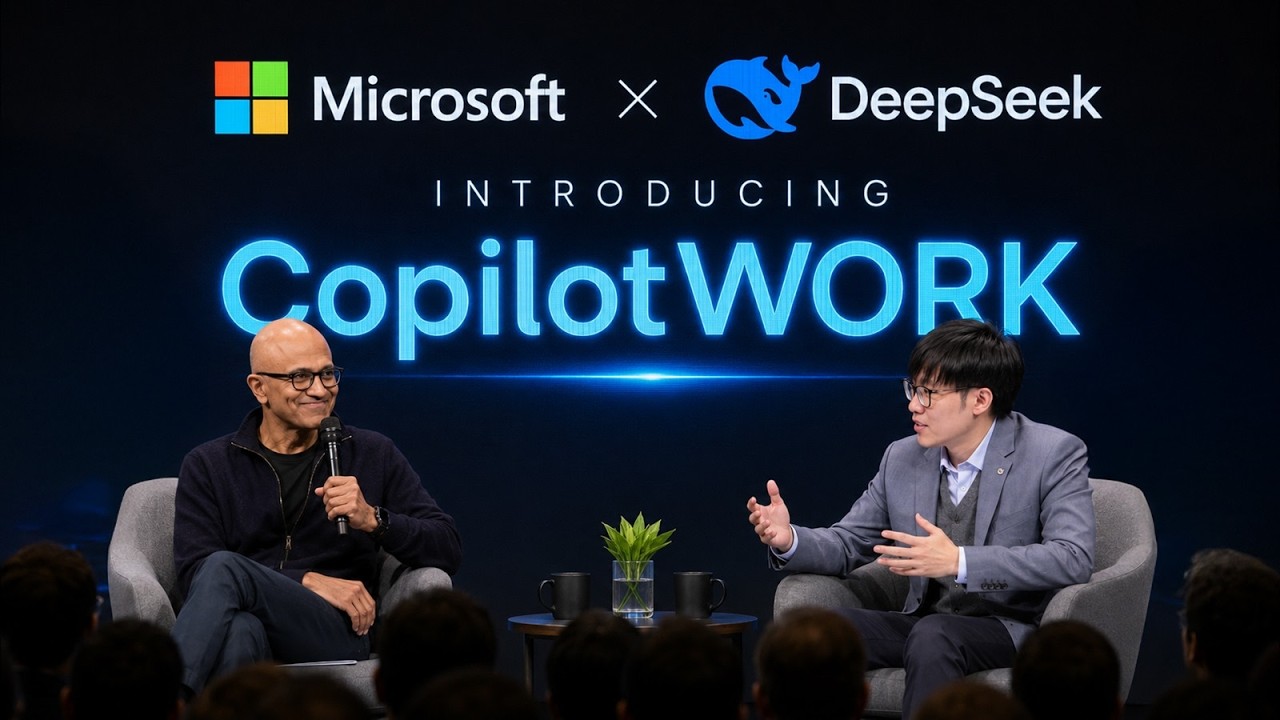
Malicious actors can manipulate Copilot into scanning an executive’s emails without triggering a confirmation prompt, invisibly encode the extracted data, and present a disguised link that silently exfiltrates the contents straight to an external command server.
Faced with skyrocketing and what has been labelled “bonkers AI bills” driven by the computing costs of running frontier models from OpenAI and Anthropic, Microsoft is now attempting to fix a balance-sheet crisis by embracing Chinese technology.
On June 16—the same day Microsoft shifted its new “Copilot Cowork” enterprise AI agent to usage-based pricing—the company disclosed it is testing an Azure-hosted version of China’s DeepSeek V4 to drastically slash operational costs.
In April 2026, Microsoft co-founded the global Frontier Model Forum alongside OpenAI, Anthropic, and Google explicitly to combat “adversarial distillation practices” by Chinese entities.
Now, Microsoft is preparing to inject that very tech into its enterprise cloud.
While Microsoft claims DeepSeek would be strictly optional, ring-fenced inside Azure’s enterprise security boundaries, and fine-tuned to remove political bias, the pivot has triggered immediate alarm bells in Canberra.
A Toxic Hand Grenade for Australian Regulators
Microsoft’s pivot directly undermines the Commonwealth’s strict stance on national security.
The Department of Home Affairs previously issued a mandatory PSPF Direction (Protective Security Policy Framework), completely banning DeepSeek from all federal government networks and devices due to unacceptable foreign data access risks.
Major domestic enterprises have already blacklisted the Chinese tech. Corporate titans like the Commonwealth Bank of Australia (CBA) and Woolworths have flatly refused to adopt it, while telecom giants Telstra, Optus, and TPG have blocked internal employee access to the standalone app.
By hardwiring DeepSeek options into the underlying Azure and Microsoft 365 fabric, Microsoft is attempting to bypass the front door, forcing corporate security teams into an impossible policing position.
Australia Caught in the CrossfireThe political fallout for Australian businesses is set to be severe.
The Trump administration is already weaponizing federal export controls against Chinese AI models and foreign tech usage. On June 12, the White House abruptly suspended Anthropic’s advanced Fable 5 model for all non-US users over national security concerns.
The impact on Australia was immediate and severe: local enterprises were instantly blocked from core features of Anthropic’s Claude models—the exact systems currently powering Microsoft’s newly launched Copilot Cowork.
The Ultimate Geopolitical Irony:
Australian businesses have had their access to American AI restricted by Washington over security concerns, only for Microsoft to attempt to replace those restricted models with Chinese technology that is already banned by the Australian Government.
By trying to solve an infrastructure cost problem with a Chinese AI model, Satya Nadella has abandoned security caution. In doing so, Microsoft has left its Australian enterprise clients caught in a dangerous regulatory crossfire between Canberra, Washington, and Beijing.