TIDAL Increases Subscription Prices As Music Streaming Competition Heats Up
 April Ossington
10 Jul 2026
April Ossington
10 Jul 2026
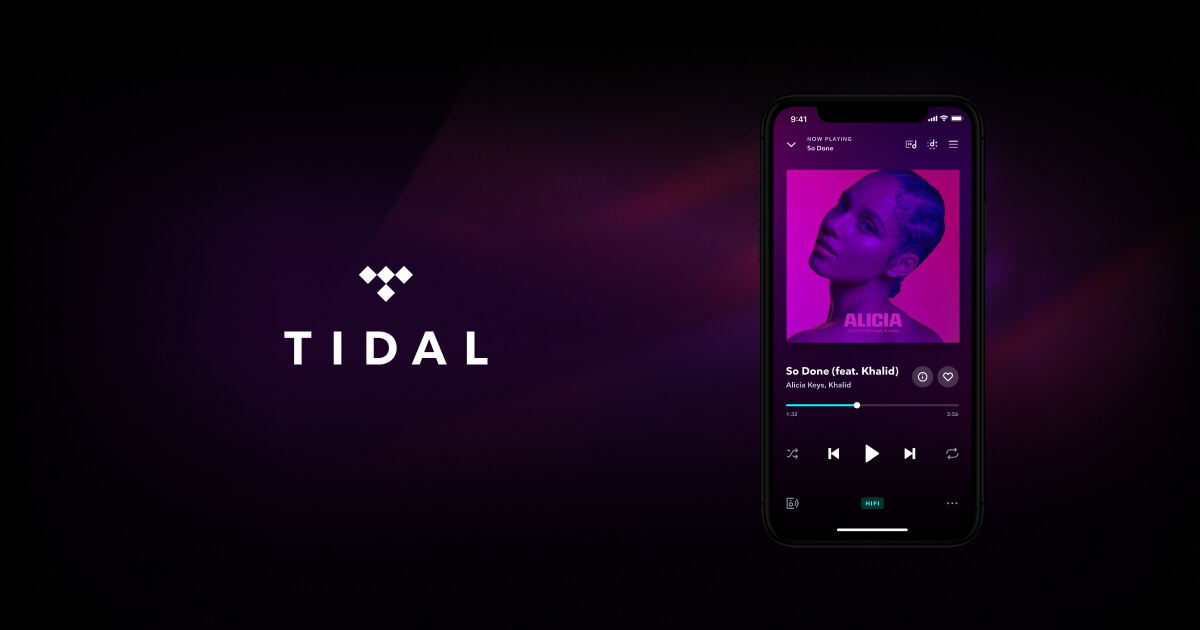
TIDAL has announced higher subscription prices for customers in the United States, with the new rates taking effect from each subscriber’s first billing date on or after 3 August 2026.
The music streaming service said existing subscribers do not need to take any action, with memberships automatically renewing at the updated pricing.
Under the revised plans, the Individual subscription will increase to the equivalent of approximately A$18.40 per month, while the Family plan rises to around A$30.70 per month. The Student subscription will cost about A$10.75 per month. Pricing is based on current exchange rates and is intended as a guide for Australian readers.
TIDAL said the changes will help support artists and rights holders while allowing the company to continue investing in new features, platform improvements and its high-quality audio offering.
The service continues to offer more than 180 million tracks in lossless and high-resolution FLAC, alongside Dolby Atmos support, offline listening and TIDAL Connect compatibility for supported audio hardware.

The increase comes as subscription prices continue to rise across the music streaming industry. While TIDAL remains competitively priced against several rivals, the latest changes narrow the gap between its plans and competing services.
Apple Music remains one of TIDAL’s strongest competitors, offering lossless audio, Hi-Res Lossless streaming up to 24-bit/192 kHz, Dolby Atmos and Apple Music Classical at a lower monthly cost in the United States. Spotify continues to dominate through its playlist recommendations, podcasts and social features, while Amazon Music Unlimited appeals to Prime members and Alexa users. Qobuz maintains its focus on high-resolution audio and editorial content aimed at dedicated music enthusiasts.
For individual subscribers, the price increase is relatively modest and is unlikely to deter users who regularly take advantage of TIDAL’s premium audio features or TIDAL Connect. However, the higher Family and Student pricing could encourage more customers to compare alternative streaming services before renewing.
The Family plan now sits noticeably above Apple Music’s equivalent offering, while the Student subscription is priced above several competing services in the US market. This could make TIDAL a less attractive option for budget-conscious households and students, particularly those who primarily listen through smartphones or standard wireless earbuds where the benefits of high-resolution audio are less noticeable.
For listeners with dedicated hi-fi systems, digital-to-analogue converters and compatible network audio equipment, TIDAL continues to offer one of the most comprehensive high-resolution streaming experiences available. Its support for lossless FLAC, Dolby Atmos and extensive hardware integration remains a key point of difference in an increasingly crowded streaming market.
Although the latest price rise does not fundamentally alter TIDAL’s position, it does place greater emphasis on the platform’s premium audio credentials as consumers weigh up whether those features justify paying more than some competing services.