Giant Bikes Hit by Forced Labour Allegations, As Government Bans Imports
 David Richards
26 Sep 2025
David Richards
26 Sep 2025
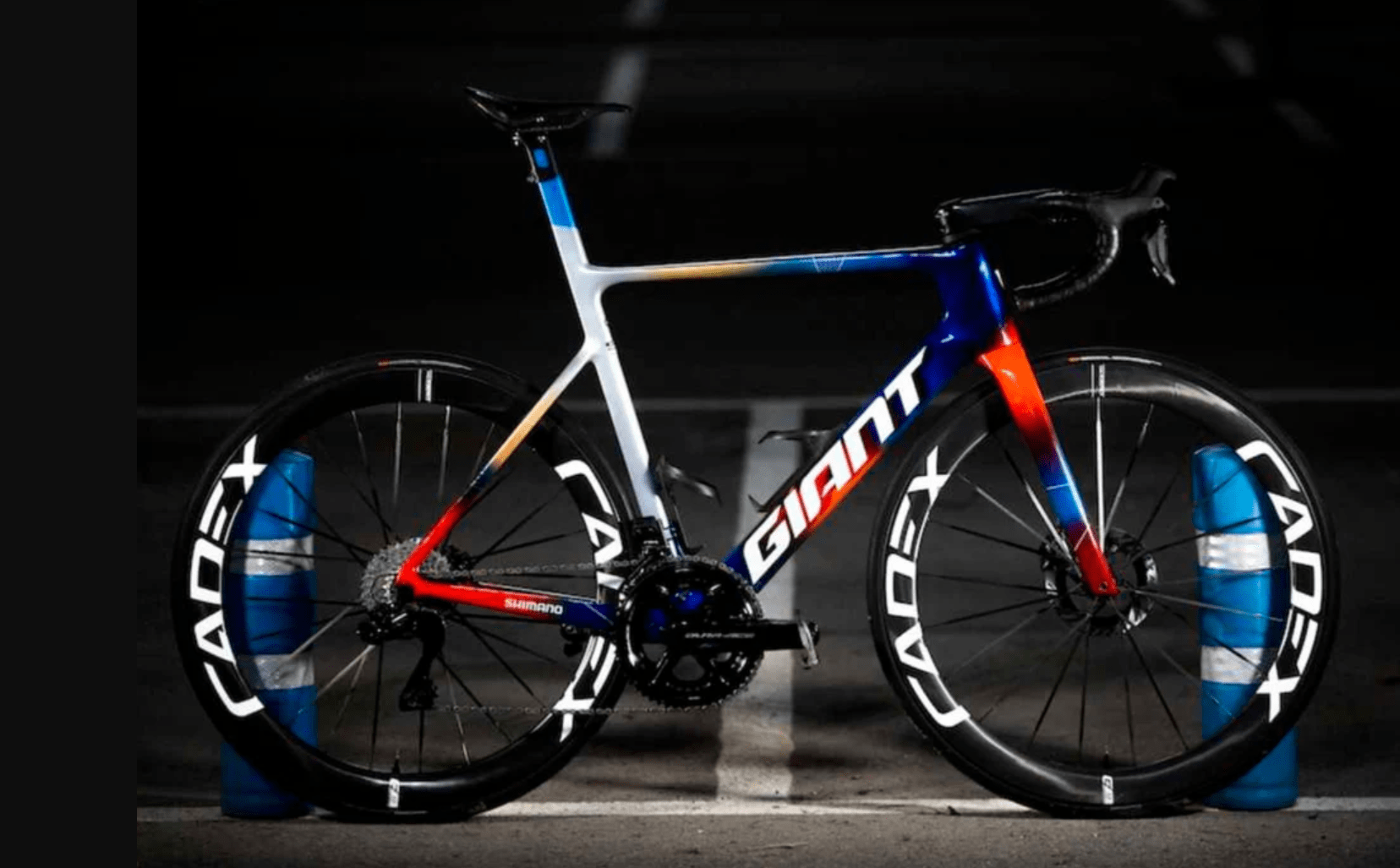
Global bicycle giant Giant has been caught in controversy after U.S. authorities banned imports of its products, citing allegations of forced labour, withheld wages, debt bondage and exploitative working conditions.
The Taiwanese company, which has a significant footprint in Australia, is also accused of pushing staff into excessive overtime and housing workers in poor conditions at its factories.
The U.S. Customs and Border Protection (CBP) confirmed it will now detain all bicycles, parts and accessories manufactured in Taiwan by Giant.
Giant Australia, whose operation was established in 1988, distributes the brand’s bikes, parts and accessories through more than 150 local retailers, including models under its Liv, Momentum and CADEX labels. It is unclear whether Australian Border Force will follow Washington’s lead and impose similar restrictions.
“Giant profited by imposing such abuse, resulting in goods produced below market value and undercutting American businesses by millions of dollars,” U.S. federal officials alleged.
The move threatens to damage one of the most recognised cycling brands in Australia. On its local website, Giant insists it does not work with suppliers who breach international labour standards.
In response to the ban, the company highlighted measures it claims to have introduced this year, including a “Zero Recruitment Fee Policy” to cover all hiring and agency costs for migrant workers, as well as upgrades to employee housing. Giant also said it uses third-party audits to ensure compliance and intends to file a petition with CBP to overturn the order.
Taiwan’s Ministry of Economic Affairs issued a statement supporting the company, saying the government would assist Giant in resolving labour concerns “as soon as possible” to restore its global reputation.
Founded in 1972, Giant has grown into the world’s largest bicycle manufacturer, employing over 13,000 people across factories in Taiwan, China, Vietnam, the Netherlands and Hungary. But the company has struggled under U.S. trade tariffs and its shares have fallen around 30% this year.
Labour concerns are not new. A U.S. Department of Labor report earlier this year flagged similar risks of debt bondage and substandard living conditions among the company’s 650 migrant workers from Vietnam and Thailand, though it noted that Giant had taken some corrective steps.
The company stressed that the CBP order applies only to products made in Taiwan and exported to the U.S., with sales in other markets, including Australia, “remaining unaffected.”