Fed Up Of Flaky Windows The High Cost Of MS 365? Google Has A Bright New OS Coming That Could See Millions Flee Microsoft
 David Richards
18 Mar 2026
David Richards
18 Mar 2026
For years, Windows users have quietly paid what many now see as a “Microsoft tax”—not just in dollars, but in time, performance, and patience. Between forced Copilot integrations, persistent nudges toward Edge, and an operating system that increasingly feels like a storefront for Microsoft 365, frustration has been building.
Now, that long-standing status quo may finally be under threat.
A New Challenger: Aluminium OS
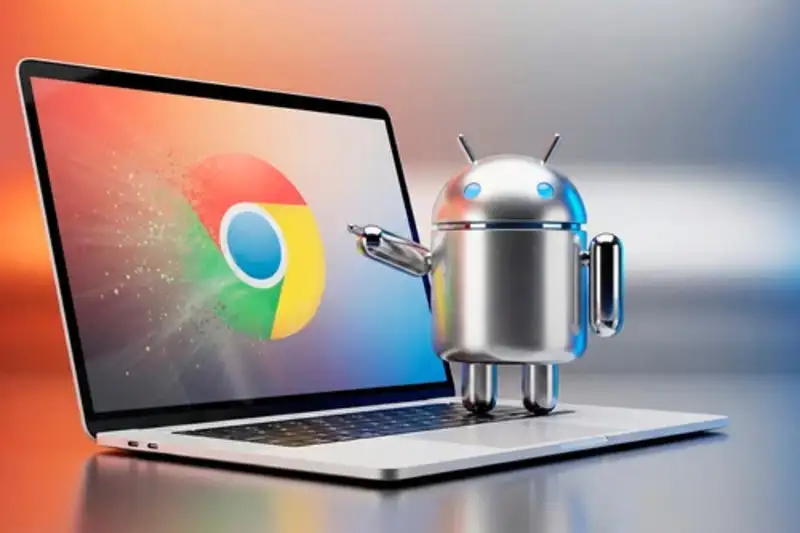
Set for a late-2026 hardware debut, Google is preparing what could be its most disruptive platform yet: Aluminium OS. This isn’t simply an evolution of ChromeOS or Android—it’s a full unification of both into a single, purpose-built operating system designed to compete directly with Windows 11.
Unveiled in part at Mobile World Congress 2026, Google’s Android Ecosystem President Sameer Samat hinted at a shift away from browser-centric computing. The goal is clear: deliver a native, Android-based desktop experience that is faster, lighter, and more cohesive across devices.
For users—especially businesses and professionals—this signals a serious alternative to the traditional Windows environment.
Why Windows Users Are Looking Elsewhere
The growing dissatisfaction with Windows isn’t just about licensing costs. It’s about how the system behaves.
Performance overhead, intrusive updates, and layered features have left many users feeling like they’re working around the OS rather than with it. Aluminium OS positions itself as the opposite: streamlined, efficient, and built with modern hardware in mind—particularly ARM-based systems.
Where Windows often feels weighed down by legacy complexity, Google is promising a clean-slate approach with faster updates, tighter security, and deeper integration across devices.
From Lightweight to Professional-Grade
Google is also moving beyond its long-standing association with education and budget devices. Internal strategy points to a tiered lineup—AL Entry, AL Mass Premium, and AL Premium—designed to compete directly with high-end machines like the Surface Pro and MacBook Pro.
Major manufacturers including HP, Dell, Acer, and ASUS are reportedly preparing hardware built specifically for this ecosystem, eliminating Windows licensing costs and optimising for performance and battery life.
One OS Across Every Screen
At the core of Aluminium OS is a unified experience. The idea is simple but powerful: start work on one device and continue seamlessly on another, without friction.
Instead of syncing files or juggling formats, applications persist across devices in real time. Combined with a redesigned desktop interface, improved window management, and full Chrome browser capabilities, the traditional limitations of non-Windows systems begin to disappear.
The Bigger Picture
For decades, Microsoft has benefited from a lack of credible alternatives in the desktop space. That reality may be changing.
Aluminium OS represents more than just another competitor—it’s a rethinking of how operating systems should work in a multi-device, AI-driven world. With deeper integration of Google’s Gemini AI and a focus on efficiency, it aims to offer a more modern approach to computing.
Whether it succeeds remains to be seen. But one thing is clear: for the first time in years, Windows users may have a real choice.
The countdown to 2026 is underway—and the landscape of personal computing could be about to shift.