Fake Review Searches Surge As Trust In Online Ratings Comes Under Pressure
 April Ossington
01 Jul 2026
April Ossington
01 Jul 2026

The reliability of online business reviews is facing renewed scrutiny after new research revealed a sharp increase in people searching for ways to buy fake reviews, raising concerns about consumer trust and the growing influence of artificial intelligence.
Analysis by AnyBusiness.com.au found global searches for “buy fake reviews” have risen 1,268 per cent over the past year, with more than 21,000 searches now taking place each month. At the same time, searches for “fake business reviews” have climbed 1,026 per cent year-on-year to around 68,000 monthly searches, suggesting more consumers are questioning the authenticity of online ratings.
The findings highlight an increasing challenge for Australian businesses that rely heavily on customer reviews to attract new clients and build credibility online.
For small and medium-sized businesses, the impact can be particularly significant. Unlike larger companies with thousands of customer reviews, smaller businesses often depend on a relatively modest number of ratings. A handful of fake one-star reviews can damage their reputation, while competitors using fraudulent five-star reviews may gain an unfair advantage.
AnyBusiness.com.au Managing Director Mary Tamvakologos said the figures point to a growing trust issue in the digital marketplace.
“We’ve reached the point where thousands of people are actively searching for ways to buy fake reviews every month, while even more people are trying to work out whether the reviews they’re reading are genuine. That’s a trust problem for every business,” she said.
Tamvakologos warned that purchasing fake reviews may provide a short-term boost, but it can have serious long-term consequences.
Platforms such as Google continue to improve their ability to detect suspicious review activity, meaning businesses caught manipulating ratings risk having reviews removed, damaging customer confidence and potentially facing restrictions on their business profiles.
The rise of AI is also making the problem more difficult to manage. Modern AI tools can generate convincing reviews at scale, making it easier to flood review platforms with authentic-looking feedback.
Despite this, consumers are becoming more adept at identifying reviews that appear overly polished, repetitive or generic. Businesses with a balanced mix of positive feedback and professionally handled criticism are often viewed as more trustworthy than those displaying only perfect ratings.
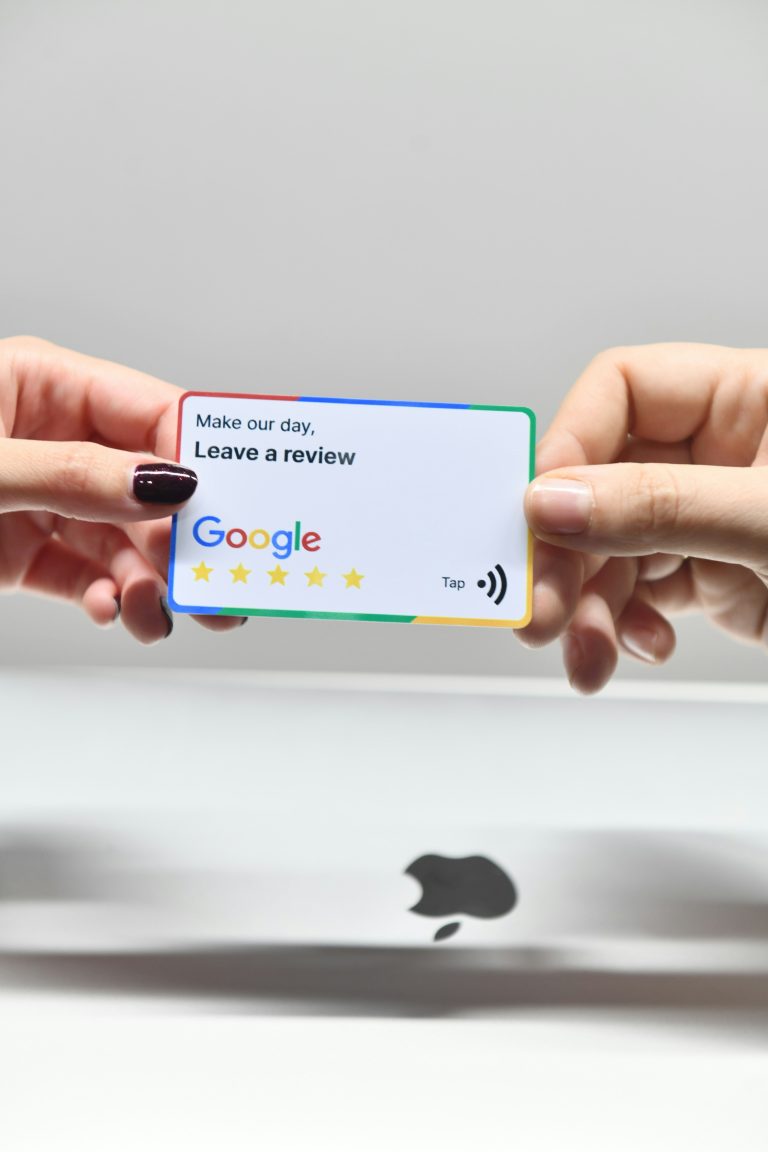
Photo by EmbedSocial
To protect their online reputation, businesses are encouraged to regularly monitor review activity, respond professionally to suspicious feedback, encourage genuine customers to leave honest reviews and establish a presence across multiple review platforms rather than relying solely on one service. Keeping customer records such as invoices, bookings and email correspondence can also assist when challenging fraudulent reviews.
The research suggests online reputation is becoming an increasingly important factor throughout the customer journey, influencing everything from search rankings to purchasing decisions.
As AI-generated content becomes more sophisticated, industry experts believe authenticity will become an even greater competitive advantage. Businesses that focus on earning genuine customer feedback, rather than taking shortcuts, are likely to build stronger long-term trust with consumers.