EXCLUSIVE: Optus Moves to Seize Full Control of Retail Network Amid Sale Speculation and Franchise Revolt
 David Richards
22 Jan 2026
David Richards
22 Jan 2026

Optus, which ChannelNews understands may be preparing itself for a potential sale, has begun a decisive and controversial push to take full ownership of its franchised retail store network under new CEO Stephen Rue—sparking fierce resistance from franchisees and raising fresh questions about the telco’s long-term strategy, governance and valuation.
Industry insiders say the move is driven by a simple commercial reality: a national carrier stripped of franchise complexity is a far more attractive acquisition target than one entangled in disputes with independent store operators.
Rue, who assumed the top job in late 2024, has been under intense scrutiny since his appointment and appears determined to dismantle what many inside Optus regard as a long-troubled franchise model. His strategy would see all Optus retail outlets brought under direct SingTel and Optus ownership, effectively ending decades of reliance on franchise partners.
According to ChannelNews sources, Optus is now seeking to acquire every remaining franchise operation across Australia, including the Zone-owned network of 22 stores in Western Australia—one of the larger independent clusters still outside corporate control.
The aggressive consolidation comes less than a year after Optus suffered one of the most damaging legal setbacks in its history.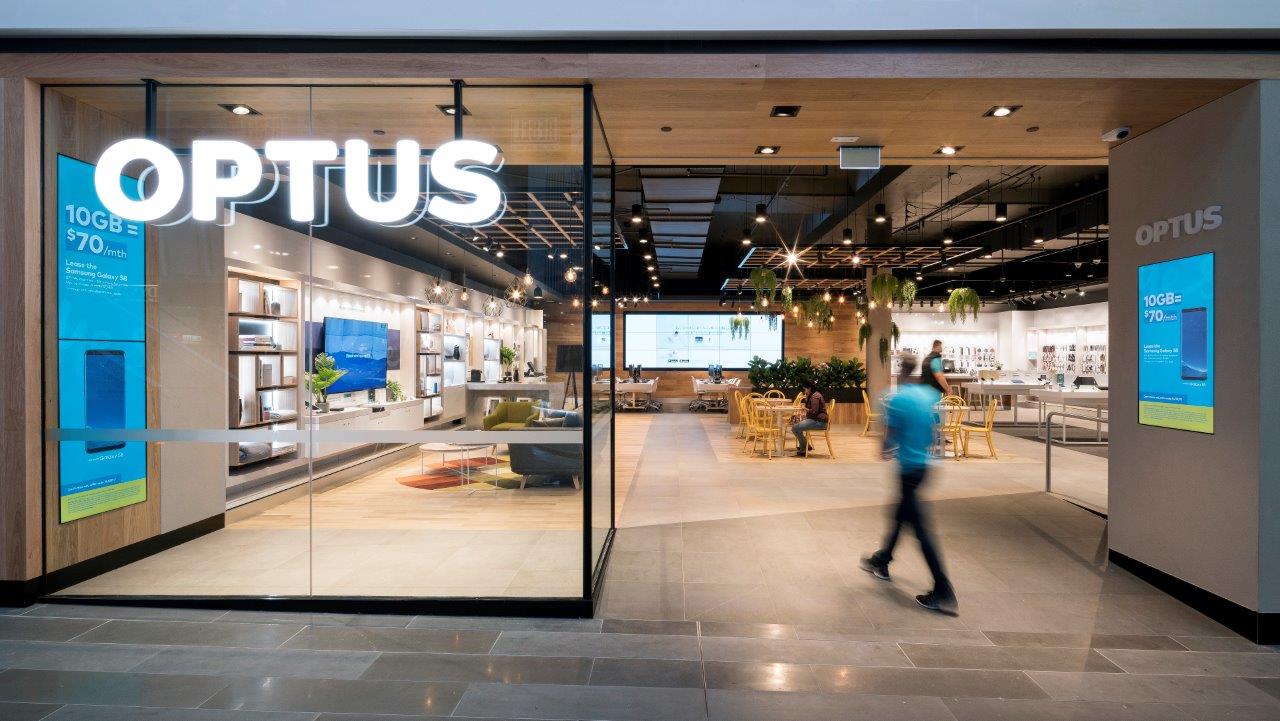
In September 2025, the Federal Court ordered Optus to pay A$100 million after the company admitted to engaging in unconscionable conduct. The ruling followed findings that Optus had sold mobile phones and plans to hundreds of customers that were inappropriate, unaffordable, or poorly explained—particularly involving accessories sold through franchise stores.
The court heard that accessories were frequently bundled into mobile contracts without being clearly itemised, leaving customers unaware of what they were paying for.
The Australian Competition and Consumer Commission (ACCC) had previously taken action against Optus over similar conduct.
In the wake of the ruling, Rue moved quickly to shore up Optus’ public image, recently recruiting a former communications executive from his previous employer to oversee external messaging as the carrier attempts to rebuild trust with regulators, customers and investors.

Optus CEO Stephen Rue
But while Optus executives frame the franchise buy-back as a governance and customer-experience reset, franchisees tell a very different story.
Several franchise operators told ChannelNews they believe Optus is deliberately undervaluing their businesses and applying pressure tactics to force sales.
One described the latest offers as “take it or we take it”, claiming the carrier is unwilling to recognise the true profitability of franchise stores—particularly their lucrative accessories businesses.
According to ChannelNews sources, more than 80% pof franchise profits are generated from accessories, not handset commissions or plan activations.
These accessories—cases, chargers, earbuds and insurance—have historically delivered high margins, especially when bundled into contracts.
However, that very model now sits at the centre of Optus’ regulatory problems.
One franchise insider said the push to eliminate franchisees is as much about liability as control.
“Accessories are where the money is—and where the risk is. Optus wants that risk off the table if a buyer comes knocking,” the source said.
A Long and Troubled History
This is far from the first time Optus has faced criticism over its franchise network.
An Optus insider previously told ChannelNews: “We know that we have rogue franchisees who bend the rules.”
Stephen Cameron, a former director of corporate marketing at Optus from 1998 to 2005 and a former owner of eight Optus franchises in Sydney, has long alleged that the carrier systematically undermined its own franchise partners.
Cameron has claimed Optus attempted to run franchisees out of business by directly marketing to customers tied to franchise stores and withholding accurate billing records.
He and his wife once owned eight Optus-branded outlets and openly challenged the company over discrepancies in customer data.
As far back as 2012, Optus began efforts to buy back large portions of its eastern seaboard retail footprint.
By early 2014, the company claimed it operated 295 franchise stores and credited the network with delivering a 40% profit lift.
But buy-back efforts were uneven.
In 2013, Optus made two failed attempts to acquire Sydney-based stores for $1.1 million and $1.8 million respectively—offers franchisees rejected as inadequate.
ChannelNews understands that concerns about Optus’ franchised structure have resurfaced amid renewed speculation about a potential sale of the business.
Multiple industry sources say potential buyers are wary of acquiring a carrier encumbered by franchise disputes, regulatory baggage and inconsistent retail practices.
“A company-owned store network is cleaner, simpler and easier to value,” one Optus insider said.
“Franchises complicate everything—from compliance to customer experience to earnings quality.”
The question now is whether Optus will retain its current US-based accessories distributor, Likewise, once franchise operations are absorbed—or whether the supply chain will be restructured entirely under corporate control.
Optus’ strategy closely mirrors a path taken by Telstra several years earlier.
In February 2021, Telstra announced it would transition to full ownership of its bricks-and-mortar retail network. At the time, Telstra directly owned 67 stores, with 166 run by independent licensees and 104 operated by Vita Group under a long-standing licence agreement.
Over the following 12 to 18 months, Telstra negotiated to bring all branded stores under corporate ownership, citing the need for tighter integration with digital channels, improved customer experience and higher store profitability.
Insiders say Telstra paid approximately A$110 million to acquire the 104 Vita Group-operated stores and associated business assets, formally ending one of the longest partnerships in Australian telecommunications retail. That figure did not include separate negotiations with the 166 independent licensees, the terms of which were never publicly disclosed.
For Optus, the lesson appears clear.
Whether franchisees agree—and at what cost—may determine not only the future of Optus’ retail presence, but the shape of any deal should the carrier ultimately be put on the market.