OPINION: Sony’s TV Retreat Could Redefine the Premium Market — If TCL Plays It Right
 David Richards
21 Jan 2026
David Richards
21 Jan 2026

Sony’s effective withdrawal from the premium TV market might look like a loss at first glance, but in reality, it could be a significant win — not just for TCL, but for Sony itself, and potentially for consumers fed up with overpriced televisions.
With TCL now owning 51% of Sony’s TV operation, this joint venture represents one of the most consequential shifts the TV industry has seen in years. It arrives at a time when the market is stagnating, margins are under pressure, and manufacturers are betting heavily on new technologies like RGB LED to reignite consumer interest.
What makes this partnership compelling is not just scale, but strategic alignment. Both TCL and Sony already rely on Google TV as their operating system, and TCL’s manufacturing prowess combined with Sony’s deep expertise in processing, colour science, and audio could finally produce something the industry has struggled to deliver: truly affordable premium TVs especially as Sony has already moved to seperate themselves from other brands spruiking RGB LED with the introduction of “True RGB’ into their marketing.

Sony’s TV business has been squeezed relentlessly by lower-cost Chinese competitors such as TCL and Hisense, while Samsung and LG have dominated the high end with OLED — often at prices that feel increasingly disconnected from consumer reality. In many ways, this deal mirrors history: just as Samsung and LG once pushed Sony out of TV leadership, Sony is now teaming up with a Chinese giant to fight back.
For TCL, the benefits are obvious. Sony brings instant credibility in the premium segment — something Hisense failed to achieve even after acquiring Toshiba. For Sony, the move reflects a rational retreat from a low-margin battleground toward higher-growth, higher-margin businesses, while still keeping its brand alive on the showroom floor.
The real losers here may be brands like Samsung, LG, and Loewe, whose premium strategies lean heavily on expensive OLED panels. If TCL can use its cost efficiency to deliver Sony’s renowned picture and audio processing at lower prices, the justification for paying OLED premiums becomes harder to defend.
Still, success is far from guaranteed. Both TCL and Sony have historically struggled with marketing — a glaring weakness when competing against Samsung’s relentless brand machine. Whether Sony’s distinctive design philosophy and performance ethos survive under TCL’s leadership will depend less on engineering and more on execution and storytelling.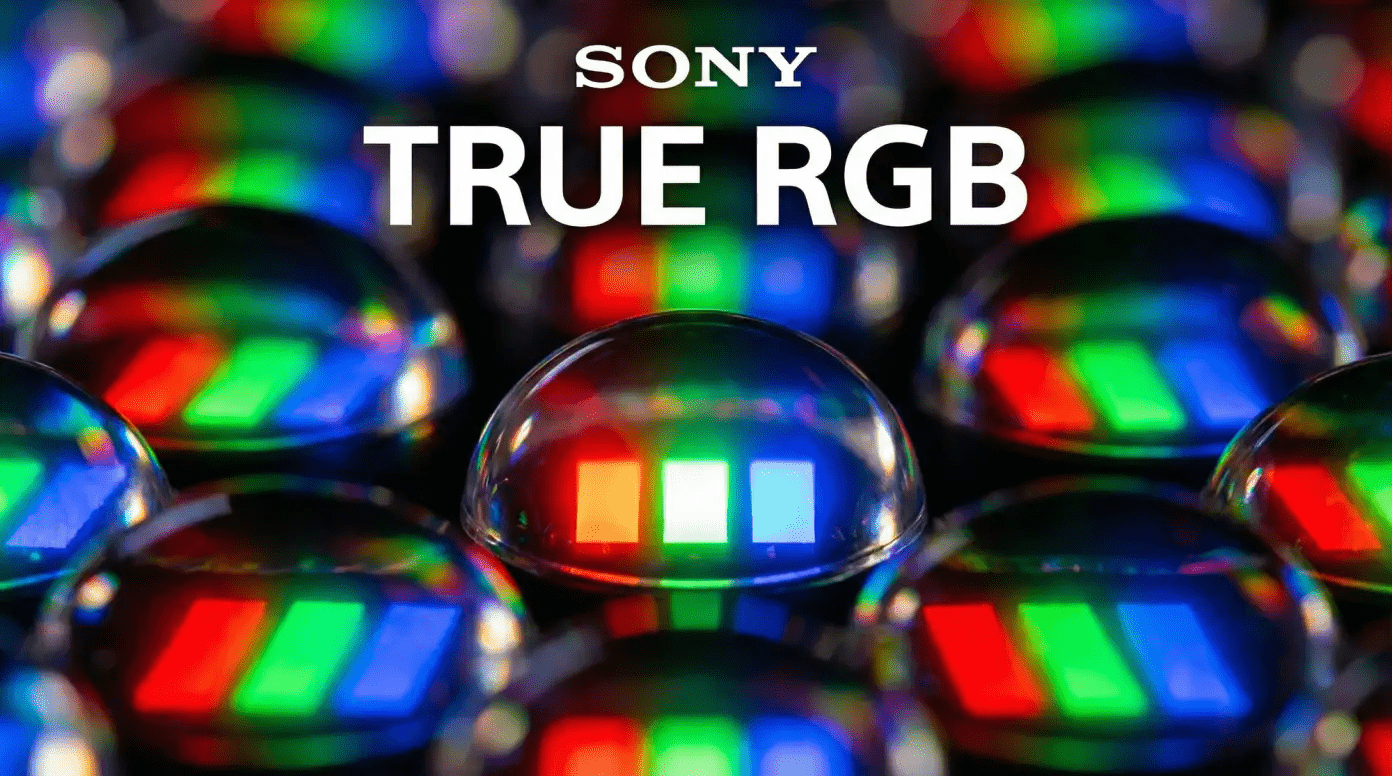
Where Sony still holds a powerful advantage is cultural relevance. Millions of consumers — particularly teenagers and “middle Australia” — continue to buy Sony headphones, audio gear, and consume Sony-produced films and music. Sony isn’t just a TV brand; it’s one of the world’s most influential audio-visual companies.
That matters because Sony’s real strength lies behind the camera. Its professional cinema and broadcast technologies — from the VENICE cinema cameras to HDR workflows, colour science, and virtual production ecosystems — shape how modern content is created. Those same standards can directly inform how content should be displayed in the living room.
Sony’s recent registration of the “True RGB” brand hints at where this partnership could go. Combined with Sony’s XR processing and TCL’s manufacturing scale, the joint venture has the potential to deliver TVs with genuinely cinematic image fidelity — not just impressive specs on paper.
This gives TCL a meaningful edge over rivals that rely almost entirely on panel technology and backlight tricks. It also opens the door to positioning BRAVIA-branded TVs and home audio products as “affordable premium” — a category the market desperately needs, especially if TCL restores sustainable margins for retailers.
There are risks, of course. Innovation could slow. Brand dilution is possible. And OLED remains an open question, though TCL’s investment in OLED manufacturing suggests it’s preparing for that future.
Still, the direction is clear. This is industry consolidation driven by survival, specialization, and scale. Sony hasn’t abandoned TVs — it has redefined its role in them.
If TCL can respect Sony’s technological DNA while fixing its cost structure and pricing, this partnership could reshape the TV market. Cheaper BRAVIA TVs may be just the beginning. Whether they redefine premium or simply disrupt it will depend on how well TCL and Sony execute the next chapter.