Chinese Gaming Group Tencent Tries To Muscle In On Foxtel’s Arena Brand
 David Richards
26 Nov 2025
David Richards
26 Nov 2025

Chinese gaming powerhouse Tencent has moved to secure Australian trademark protection for its shooter game “Arena Breakout,” despite Foxtel already owning the Arena brand name, the DAZN owned streaming Company claims that the Chinese Companies application is similar to their long-running Arena television channel brand.
Foxtel lodged a formal objection with IP Australia, arguing that the “Arena” component of Tencent’s title risked causing brand confusion—particularly as both companies promote themselves within the entertainment ecosystem.
Foxtel’s legal team also highlighted the growing convergence between streaming platforms and gaming, noting that major competitors such as Netflix, Amazon Prime Video, and Samsung TV Plus have begun incorporating gaming offerings into their services.
Limited Risk of Confusion, Says IP Australia
While acknowledging that many video games are consumed via a television screen or monitor—much like Foxtel’s programming—IP Australia ultimately found little likelihood that consumers would mistake Tencent’s gaming product for Foxtel’s Arena channel or related services.
The regulator emphasised several key factors:
Shared words alone don’t define a trademark conflict. The presence of “Arena” in both names was not enough to prove infringement.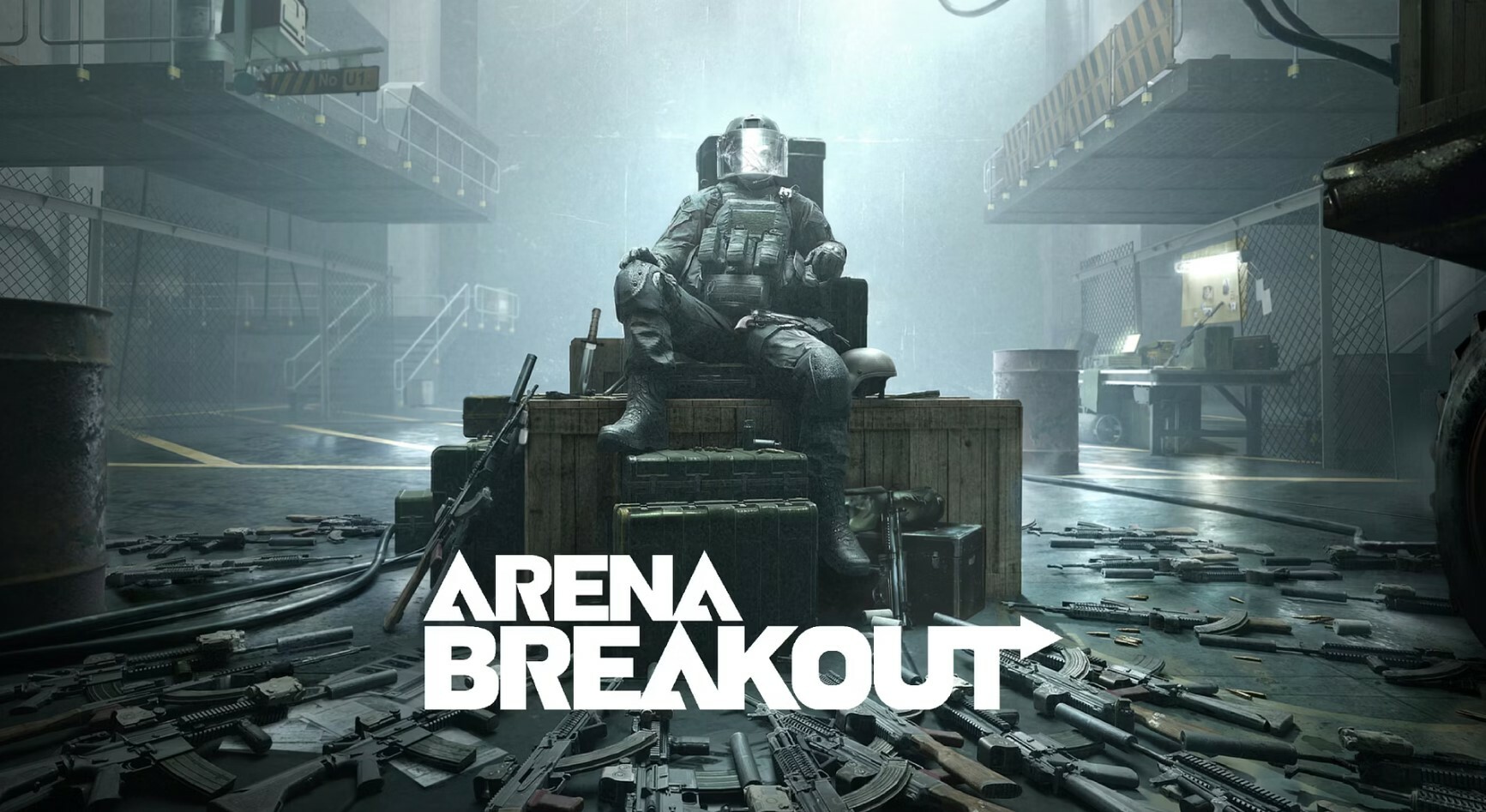
Overall impression matters. Tencent’s addition of the word “Breakout” created a distinct and recognisable brand identity.
Different markets and usage contexts. Even though both companies operate under the broad umbrella of entertainment, the specific goods and services offered differ substantially.
IP Australia further rejected Foxtel’s broader claim that Tencent operates in the same market, reasoning that providing televised entertainment is materially different from developing and distributing mobile and PC-based video games.
Tencent Allowed to Proceed—With Conditions
Although Tencent largely prevailed, the ruling was not unconditional.
IP Australia directed the company to refile its trademark application with a “narrower” and more precise specification, restricting the trademark’s coverage to video gaming and closely related digital entertainment.
Originally, Tencent’s application covered a wide array of services—from entertainment delivered across multiple devices to IT-related entertainment services—some of which overlapped with Foxtel’s operational sphere. The narrowed scope limits the potential for brand overlap while still allowing Tencent to protect the game’s title.
Foxtel’s Concerns Not Enough to Block Application
Foxtel argued that approving Tencent’s trademark would create confusion among consumers, especially as competition intensifies across content and gaming sectors. However, IP Australia found that the evidence fell short of justifying a permanent ban on Tencent’s mark.
The decision ultimately reinforces a longstanding principle in trademark law:
A shared word or naming element—such as “Arena”—does not automatically result in brand conflict. Context, distinctiveness, and consumer perception carry greater weight.
A Signal for the Entertainment Industry
The case highlights the increasingly blurred lines between traditional broadcasting, streaming platforms, and interactive digital entertainment. As more companies expand into gaming, trademark disputes like this may become more common.
For now, Tencent can continue its push into the Australian market with “Arena Breakout,” while Foxtel retains exclusive rights to its established Arena brand—each operating within clearly delineated boundaries defined by the regulator.