China’s Rare Earth Curbs Create Openings For Aussie Suppliers
 Joe Gallop
13 Oct 2025
Joe Gallop
13 Oct 2025

China’s latest move to tighten export controls on rare earth elements has sent shockwaves through the global tech and defence sectors, but it could deliver a major opportunity for Australia.
Beijing’s new rules, announced this week, will require foreign companies to gain special approval to export any product containing even trace amounts of Chinese-sourced rare earths.
The policy extends China’s reach beyond its borders, effectively giving it veto power over products made elsewhere if they rely on Chinese materials.
China currently dominates the sector, producing around 70% of the world’s rare earths and controlling up to 90% of global processing.
These 17 minerals are essential to manufacturing everything from smartphones and EV batteries to jet engines, wind turbines and advanced weapons systems.
The announcement comes just weeks before a planned meeting between US President Donald Trump and Chinese leader Xi Jinping.
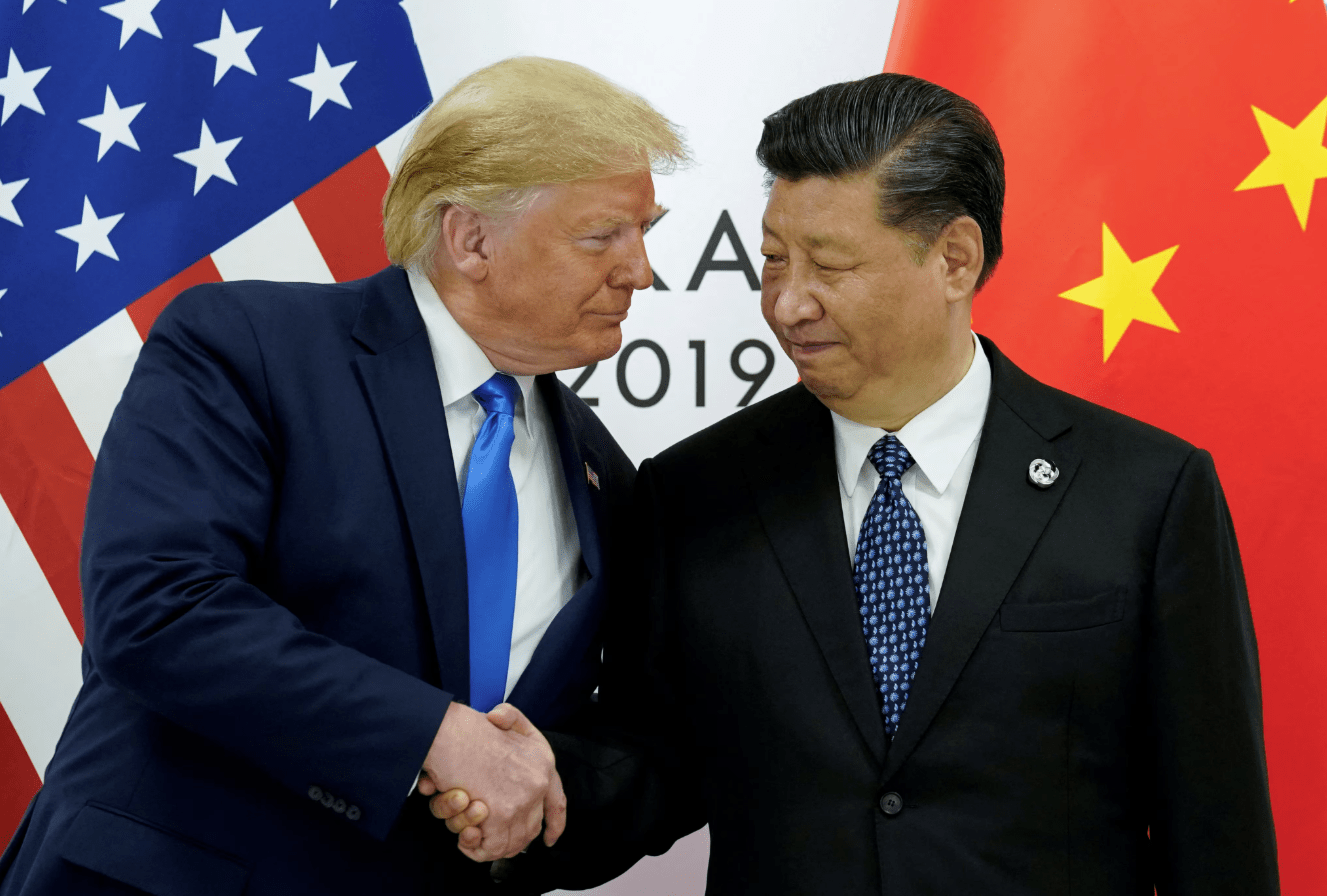
Tensions have already risen after the US imposed a new 100% tariff on Chinese goods in retaliation for the rare earth restrictions.
While the standoff threatens global supply chains, Australian miners could emerge as big winners.
Canberra has positioned itself as a secure, democratic alternative for the West’s critical mineral needs.
ASX-listed companies with projects in Australia, the US and Canada are expected to see fresh investment from both Washington and private industry eager to reduce dependence on China.
Neha Mukherjee, a rare earths analyst at Benchmark Mineral Intelligence, described the move as “a strategic warning shot,” adding that “the only path to supply chain security is building independent value chains from mine to magnet.”
The Albanese government has already committed $1.2 billion to develop a national rare earths reserve and boost domestic processing.
The Prime Minister is expected to raise Australia’s expanding role in global minerals security when he meets Trump in Washington later this month.