Vivo Rips Off Apple’s Controversial ‘Liquid Glass’ Look For Android Phones
 Joe Gallop
13 Oct 2025
Joe Gallop
13 Oct 2025

Apple’s polarising Liquid Glass design from iOS 26 is already influencing the wider smartphone market, with Chinese manufacturer Vivo becoming the first Android brand to adopt the aesthetic in its new OriginOS 6 software.
The Android 16-based operating system, debuting on the upcoming Vivo X300 series, introduces a translucent, fluid visual style nearly identical to Apple’s latest design language.
Rounded icons, frosted panels, shifting 2D-to-3D wallpapers and glass-like depth effects dominate the interface, drawing inevitable comparisons to iOS 26.
Vivo’s marketing leans heavily on “flow” and “effortless motion,” describing OriginOS 6 as inspired by water.
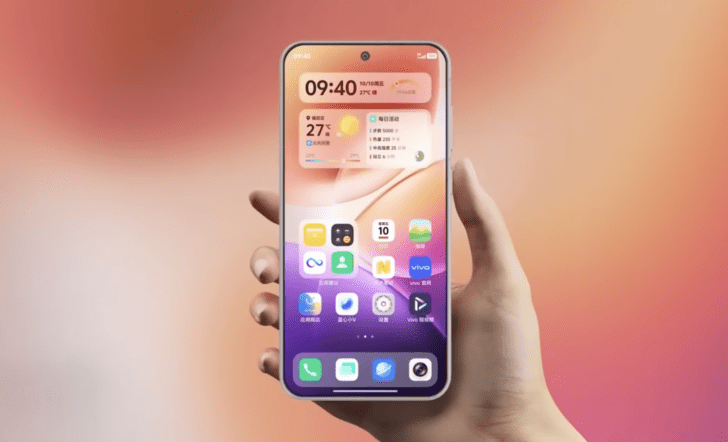
The company claims its revamped interface delivers smoother performance and more responsive animations, due to a new “Blue River Smooth Engine.”
Vivo has also added advanced AI tools, including Circle to Search 2.0 and AI Removal for photo editing.
But critics argue the design goes beyond inspiration.
From the translucent Control Centre and resizable clock widget to the “Atomic Island” feature, which is a clear nod to Apple’s Dynamic Island, many see OriginOS 6 as an unmistakable replica of Apple’s controversial Liquid Glass UI.
For all the criticism Apple faces over its recent lack of innovation, this isn’t the first time the company has set the tone for smartphone design.
The iPhone X’s notch at the top of its display, as well as the iPhone 14 Pro’s Dynamic Island, both sparked copycat trends across the Android ecosystem.
Vivo appears to be leading a new wave of “Liquid Glass-style” Android skins, with brands like Oppo, Xiaomi and OnePlus likely to follow suit.
Vivo’s OriginOS 6 rollout begins October 15 in China, expanding to global markets in early 2026.