Bose Delays Soundtouch Shutdown And Keeps Key Streaming Features Alive After Backlash
 April Ossington
08 Jan 2026
April Ossington
08 Jan 2026
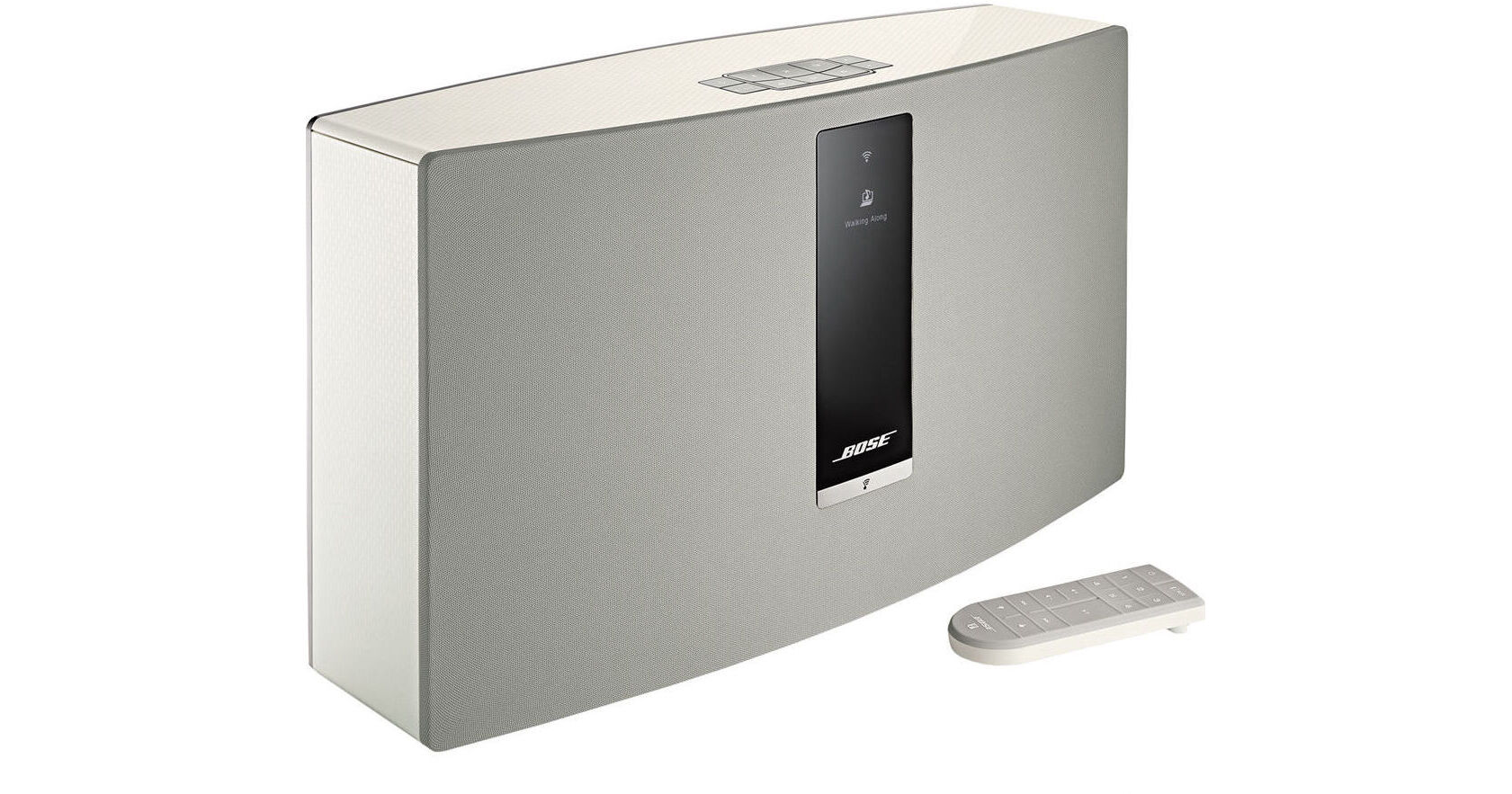
Bose has revised its plans to wind back support for its ageing SoundTouch speaker range, offering customers a longer grace period and preserving more functionality than originally promised. The change follows strong feedback from users who rely on the speakers for everyday listening.
Late last year, ChannelNews reported that Bose confirmed that the cloud services powering SoundTouch products would be switched off in February. This move would have removed many of the streaming features tied to the company’s servers. That announcement raised concerns among long-time owners who feared their speakers would be reduced to little more than basic audio hardware.
In an update sent directly to customers, Bose has now confirmed that cloud connectivity will remain active until 6 May, rather than being disabled on 18 February as previously planned. After that date, the speakers will continue to work with local playback and third-party music apps, including support for Spotify Connect and Apple AirPlay. This is a significant shift from the original proposal, which would have stripped away most network-based features and taken the SoundTouch mobile app offline entirely.
The company acknowledged that customer reaction played a role in the decision. In its message, Bose said it had received questions and feedback from owners and had taken the time to reconsider its approach. While some changes will still go ahead, including the loss of certain hardware features such as pre-set buttons, the overall impact will be less severe than first indicated.

Bose also surprised users by announcing that it has made the SoundTouch application programming interfaces publicly available. By opening up these APIs, the company is allowing external developers to create their own software tools or services that can interact with the speakers. This could extend the usable life of the hardware well beyond Bose’s own support timeline, depending on community interest and development.
Although SoundTouch products have not been sold for several years and originally retailed in Australia for prices typically ranging from around $A300 to more than $A1,000 depending on the model, many units remain in active use. By delaying the shutdown and retaining popular streaming options, Bose appears to be striking a balance between retiring legacy infrastructure and responding to loyal customers who still value the platform.