CES 2026: AMD Goes All-In On AI PCs and Claims the Fastest Gaming CPU Yet
 Joe Gallop
08 Jan 2026
AMD has rolled out one of its broadest PC platform updates in years at CES 2026, unveiling new laptop and desktop processors, an AI-focused mini PC and fresh software features aimed at making on-device AI and better graphics the default across the PC market.
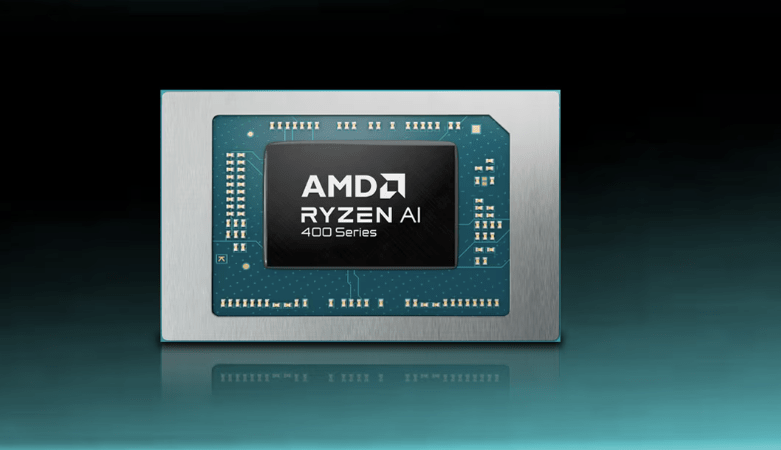
At the centre of the announcements are the new Ryzen AI 400 and Ryzen AI PRO 400 series processors, built on Zen 5 CPU cores and second-generation XDNA 2 NPUs.
AMD says they deliver up to 60 TOPS of on-device AI performance, comfortably clearing Microsoft’s Copilot+ PC requirements.
The chips also pair that AI grunt with Radeon 800M integrated graphics and improved memory support, with major OEM laptops expected to land from Q1 2026.
For premium ultra-thin machines, AMD is expanding its Ryzen AI Max+ lineup.
These parts aim to squeeze desktop-class integrated graphics and high-end AI compute into compact notebooks and mini desktops, using a unified memory design and Radeon 8060S graphics. AMD is pitching them as all-in-one solutions for creators, developers and light gaming without the bulk of a discrete GPU.
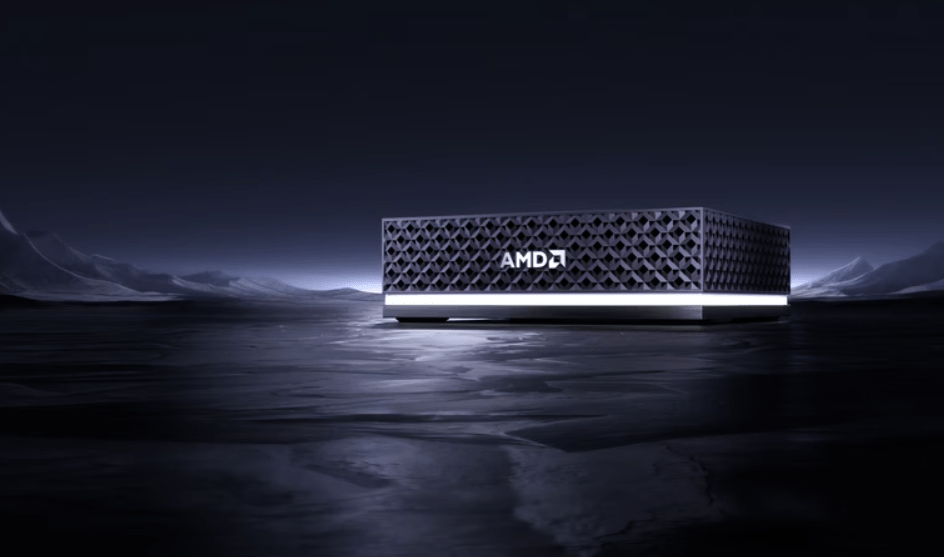
The company is also stepping further into systems with Ryzen AI Halo, its first AMD-branded AI mini PC.
Powered by Ryzen AI Max+ processors, it’s designed to run large local models – up to 200 billion parameters – on Windows or Linux, tightly integrated with AMD’s ROCm software stack. It’s a clear signal AMD wants to be seen as a platform provider for edge AI, not just a chip supplier.
Gamers get a new flagship too. The Ryzen 7 9850X3D, a Zen 5 desktop CPU with second-generation 3D V-Cache that AMD claims is now the fastest gaming processor available.
On the software side, ROCm 7.2 is coming to Windows and Linux for Ryzen and Radeon, while FSR “Redstone” adds machine-learning upscaling and frame generation.