Australia Report Confirms Social Media Age Verification is Technically Feasible
 Isabella Alexiou
01 Sep 2025
Isabella Alexiou
01 Sep 2025

The Albanese government has released its final Age Assurance Technology Trial report, concluding that social media platforms can “take reasonable steps” to prevent users under 16 from accessing their services ahead of Australia’s world-first social media ban taking effect on December 10.
The report found that age verification “can be done in Australia privately, efficiently and effectively” using a “wide range of approaches,” though it emphasised there is “no one-size-fits-all solution.”
Platforms will likely need to combine multiple verification methods to avoid fines of up to $75.6 million for non-compliance.
Communications Minister Anika Wells said the findings provide evidence that digital platforms have access to technology to better protect young people while safeguarding user privacy.
The report represents the latest support for the government’s social media ban targeting users under 16.
The Age Check Certification Scheme identified several approaches for age verification, with official document verification described as a “high-assurance method.”
However, concerns remain about potential data breaches exposing sensitive user information through this approach.
Alternative methods include age estimation using artificial intelligence and machine learning to determine likely age ranges, and age inference that links existing facts, such as voter enrolment to user accounts, to determine if someone is over 18.
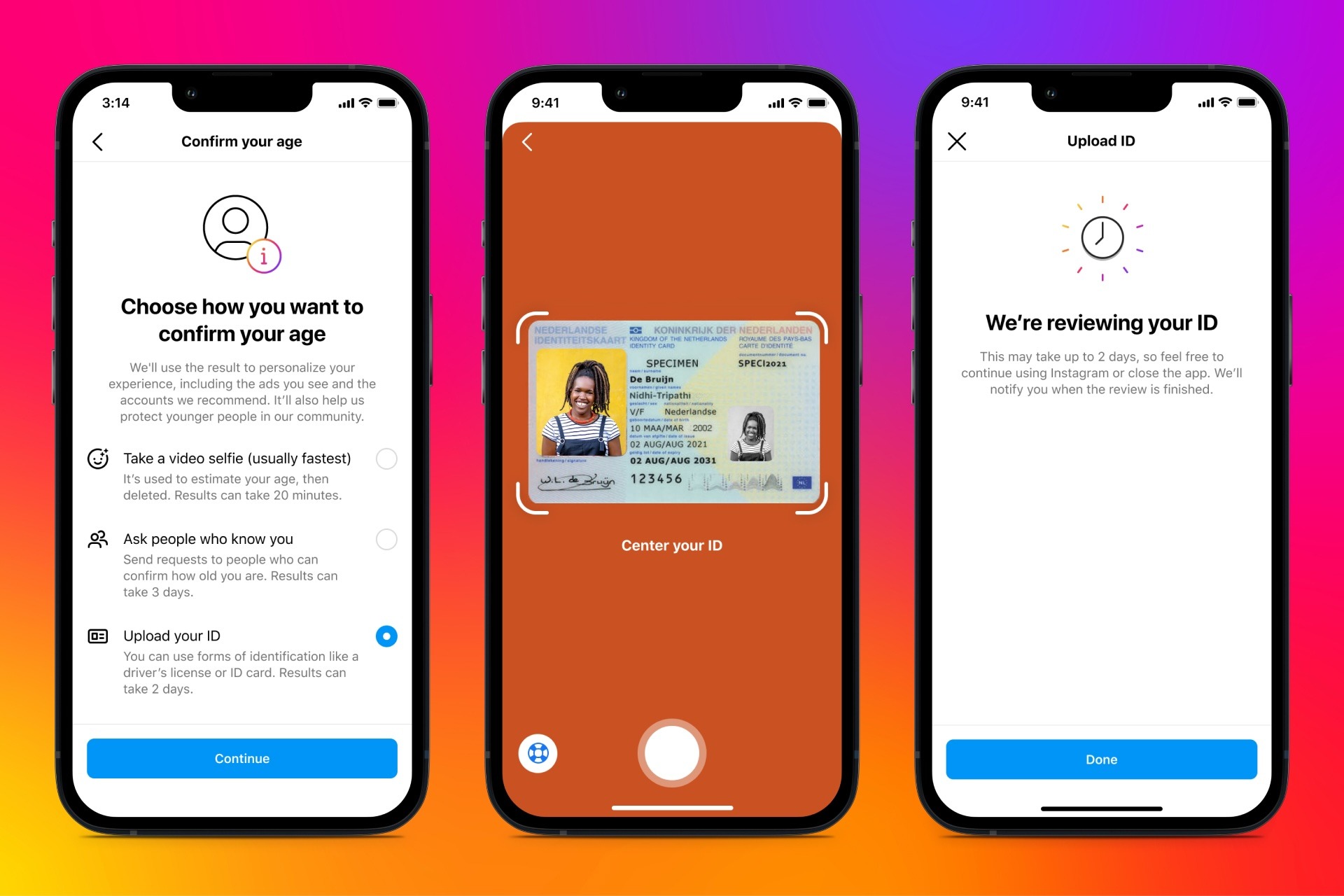
The report also highlighted successive validation as a potential solution, involving escalating verification tests that become more rigorous when previous methods prove inconclusive.
While the report demonstrates technical feasibility for age verification, it specifically notes it does not constitute “policy recommendations or endorsements for certain types of age assurance technology.”
The implementation responsibility falls to individual platforms to determine their verification approaches.
Privacy protection remains a significant consideration, with the report emphasising that user privacy can be safeguarded during age verification processes.
The balance between effective age verification and privacy protection will be crucial for platform compliance strategies.
Australia’s social media age restriction represents the first national ban of its kind globally, setting a precedent for other countries considering similar measures.
The December 10 implementation date gives platforms limited time to develop and deploy age verification systems.
The substantial penalty structure, with fines reaching tens of millions of dollars, creates strong financial incentives for platforms to implement effective age verification rather than risk non-compliance with Australian regulations.
The report’s conclusions support the government’s position that technical barriers do not prevent effective age verification implementation, shifting focus to platform willingness and methodology choices rather than technical impossibility.