Huawei Overtakes Apple In Smartwatch Shipments As Chinese Brands Surge
 Joe Gallop
01 Sep 2025
Joe Gallop
01 Sep 2025
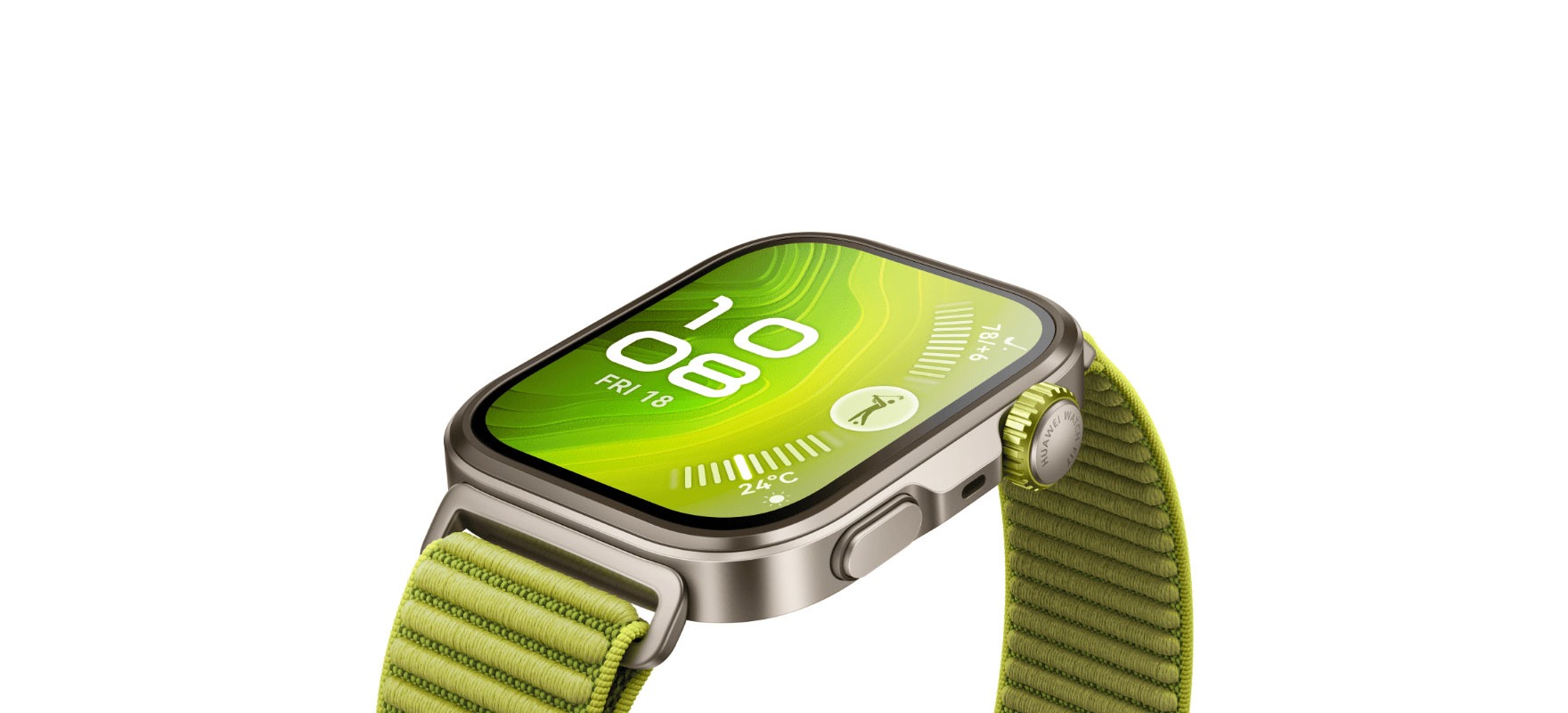
Huawei has overtaken Apple in global smartwatch shipments for the first time, signalling a major shift in the wearables market.
In Q2 2025, global smartwatch shipments grew 8% year-on-year, rebounding after five consecutive quarters of decline, according to new figures from Counterpoint Research.
Driving this growth was China, which overtook North America to become the world’s largest market for advanced smartwatches.
Huawei claimed the top spot with a 21% share of global shipments, up 52% year-on-year.
The company’s performance was fuelled by surging demand in China, where over three-quarters of its smartwatches are sold, along with growing traction in Europe, the Middle East and Asia-Pacific.
Huawei’s competitive pricing across the mid-to-premium range and its ecosystem integration strategy helped it outpace rivals.

Apple, meanwhile, saw shipments decline for the seventh consecutive quarter, losing its leadership position in overall volumes.
However, it continues to dominate the advanced smartwatch category thanks to the strength of its iOS ecosystem and loyal user base.
Samsung also slipped, with a 3% decline in shipments, as consumers delayed purchases ahead of expected new launches later this year.
Other Chinese brands also performed strongly.
Xiaomi grew its share in the entry-level smartwatch market, while Imoo consolidated its lead in the kids’ smartwatch category.
Analysts say these brands are winning on affordability, scale, and tight integration with local apps and payment systems.
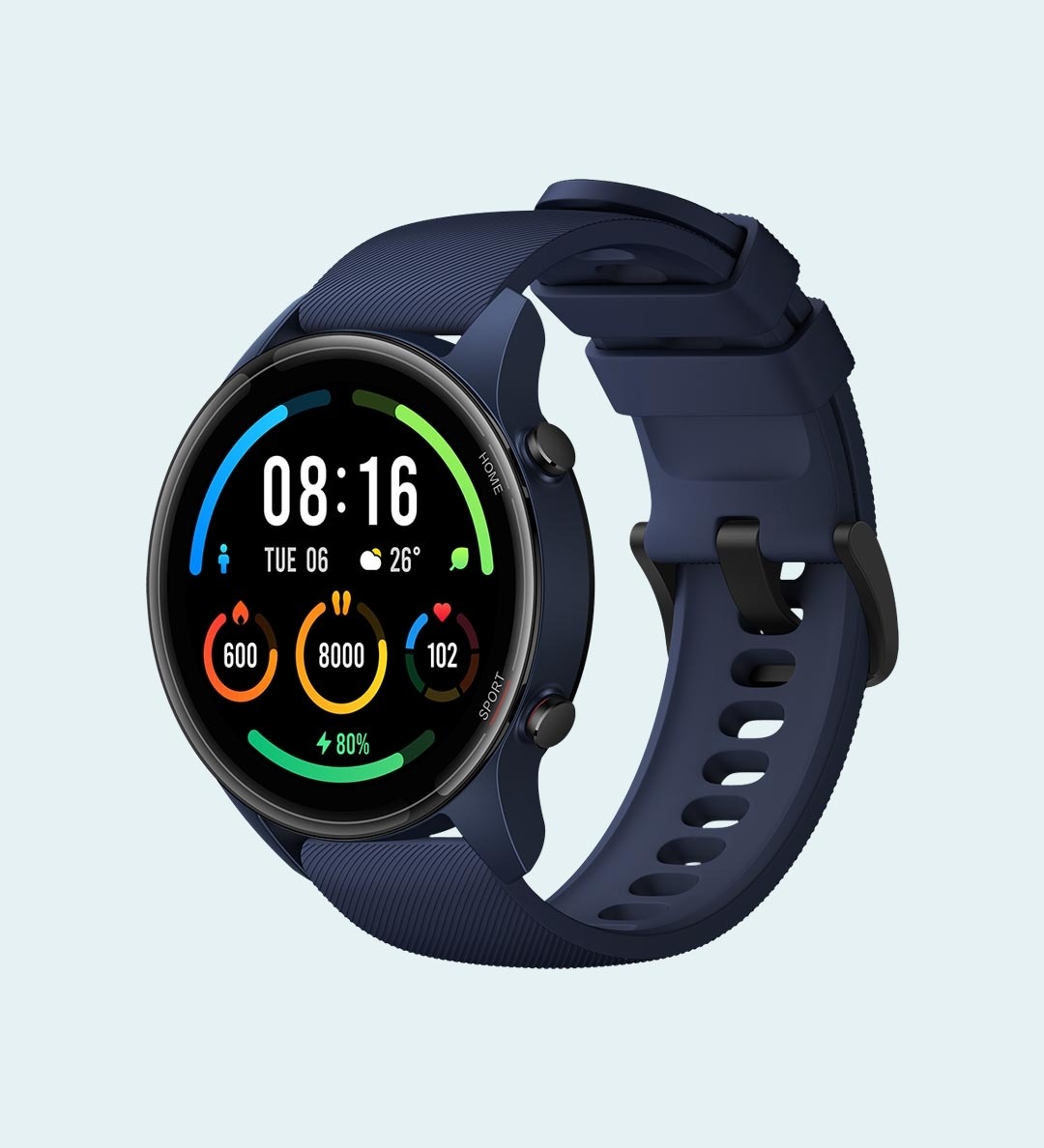
Counterpoint notes that the global smartwatch market is on track to grow around 7% this year, with new AI-driven health features and next-gen sensors expected to drive upgrades.
Analysts warn that Apple and Samsung will need to deliver major innovations in their upcoming releases to regain momentum.
Apple and Samsung still dominate the shelves of JB Hi-Fi, Harvey Norman and Telstra, though the strength of Chinese brands globally points to growing competition ahead.
“Chinese brands are setting the pace in scale, affordability and integration, positioning themselves as global challengers,” said Counterpoint’s David Naranjo. “The second half of 2025 will be decisive for Apple and Samsung as they look to reassert themselves.”