ASUS Unveils Wifi 8 Concept Router And First Real-World Performance Test
 April Ossington
21 Jan 2026
April Ossington
21 Jan 2026
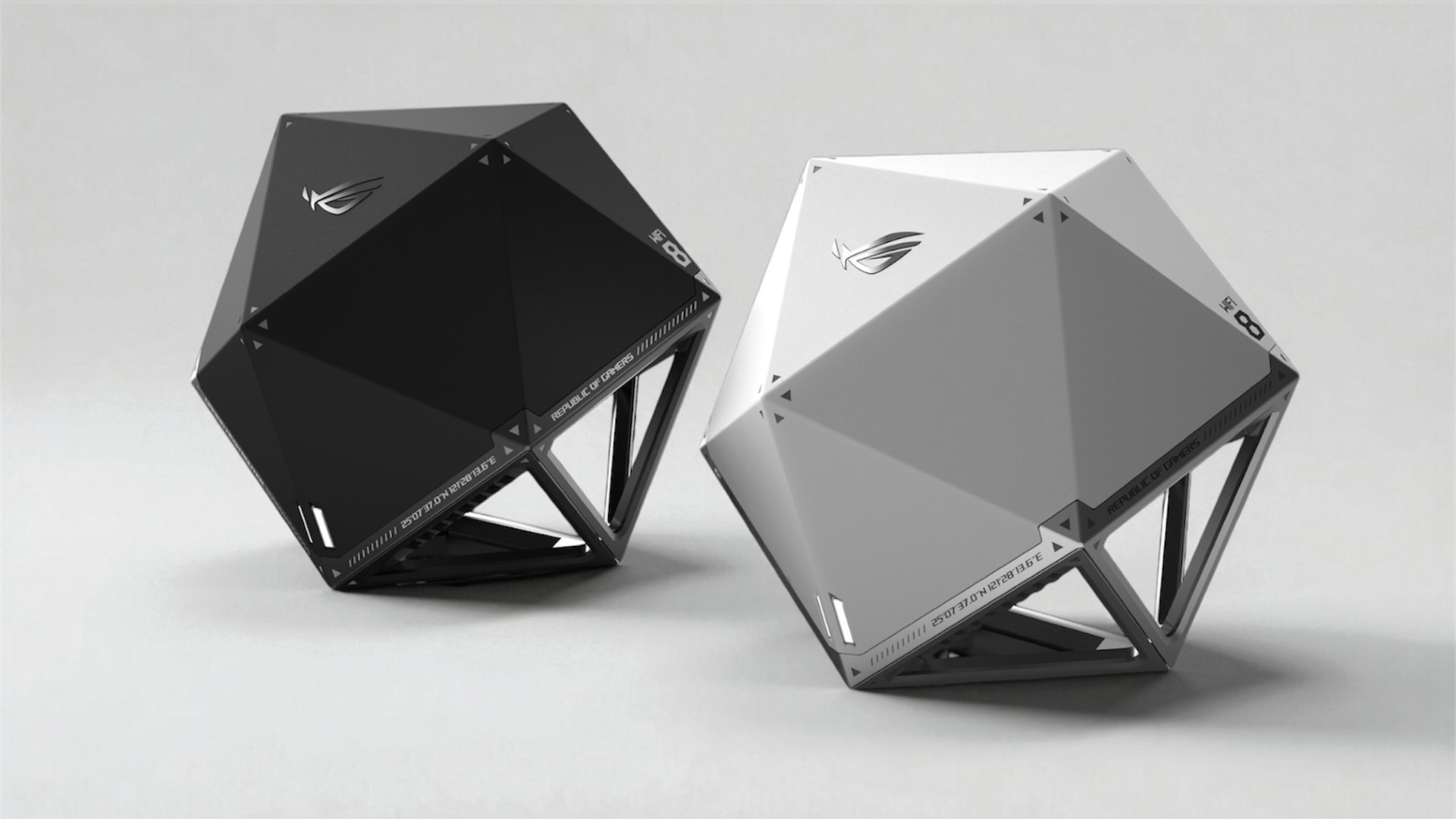
ASUS has revealed a new Wi-Fi 8 concept router, the ROG NeoCore, alongside what it says is the world’s first real-world throughput test of next-generation Wi-Fi 8 technology, signalling the early arrival of a new era in wireless connectivity.
The company said the demonstration highlights practical performance gains beyond headline speed figures, offering a preview of how Wi-Fi 8 could improve everyday networking. ASUS Networking plans to launch its first range of Wi-Fi 8 home routers and mesh systems in 2026, built around its proprietary AiMesh platform and the ASUS AI Network Engine. The products are designed to reflect the company’s Smarter Spectrum, Better Experience vision, with a focus on reliability and intelligent network management in an increasingly AI-driven environment.
Rather than focusing solely on raw speed, ASUS positions Wi-Fi 8 as a fundamental shift in connection stability and responsiveness. The new standard is intended to reduce performance drop-offs over distance and improve reliability across a variety of environments, whether a router is installed indoors, on rooftops or outdoors in large properties. It also enhances two-way communication for low-power devices such as smart lighting and controllers, helping maintain consistent connections across a growing number of connected products.
In densely populated areas like apartment blocks, where interference from neighbouring networks is common, Wi-Fi 8 routers are designed to maintain stable performance through intelligent spectrum coordination. ASUS also says the technology tackles congestion more effectively by improving spectrum efficiency and dynamic scheduling, ensuring available bandwidth is used more efficiently and reducing latency under heavy loads.
Tenlong Deng, corporate vice president and general manager of wireless and networking at ASUS, said the new standard is about improving the quality of every connection rather than chasing headline speeds. He said Wi-Fi 8 is designed to support seamless interaction between smart homes, AI assistants and cloud services, delivering consistent performance regardless of location or time.
ASUS believes Wi-Fi 8 will play a key role in supporting AI-era use cases, from cloud streaming and real-time voice communication to multi-device online gaming and collaboration. In its own testing, the company compared Wi-Fi 7 and Wi-Fi 8 under real-world conditions. While theoretical peak speeds were unchanged, the results showed substantial gains in practical performance, including up to two times higher mid-range throughput, two times broader coverage for internet-of-things devices and up to six times lower P99 latency through smarter multi-access point and multi-client coordination.
The announcement continues ASUS’s history of being early to market with new wireless standards. The company has previously been among the first to secure US regulatory approval for Wi-Fi 6, Wi-Fi 6E and Wi-Fi 7 products. With the debut of the ROG NeoCore and its real-world Wi-Fi 8 testing, ASUS is once again seeking to position itself at the forefront of the next wave of wireless innovation.