Are the Apple Watch’s Ambitions Bigger Than It’s Battery?
 Daniel Croft
09 Jun 2022
Daniel Croft
09 Jun 2022
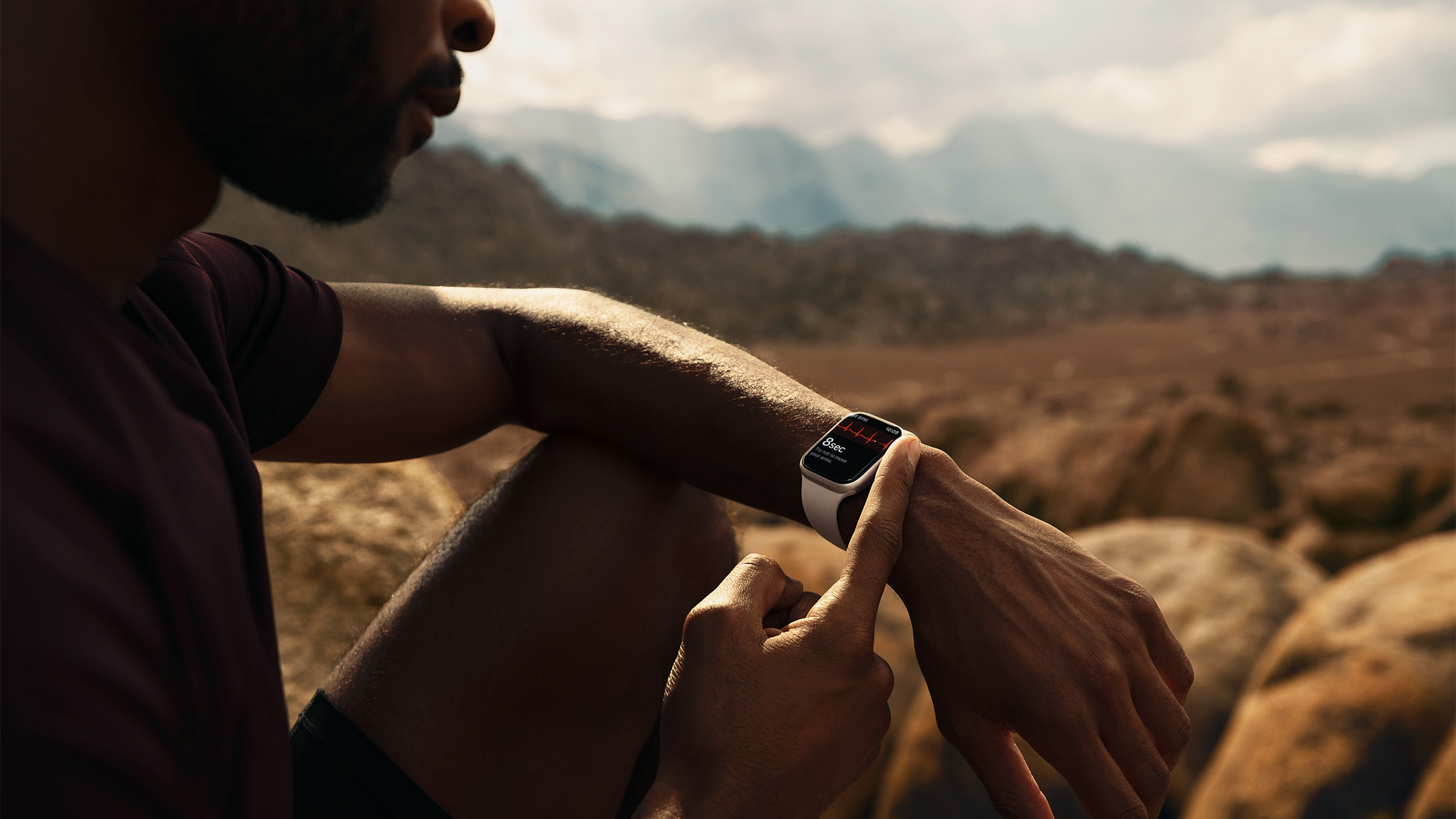
WWDC 2022 saw Apple announce a number of updates to its Apple Watches in the form of watchOS 9, with the company putting a heavy focus on fitness and running metrics.
This at first glance is a logical step, bridging the gap between your standard smartwatch that’s perfect for daily use and full of the latest and greatest features, and the fitness enthusiast’s smartwatch which is a powerhouse of fitness data tracking and metrics.
However, it seems that Apple may be biting off more than it can chew in forgetting one key aspect that’s likely to be a major weak spot – battery life.

Apple have always claimed an up to 18-hour battery life, however, reports from users say that those numbers aren’t quite realistic. According to iKream, some users are reporting just 3 hours of use.
However, even if that 18-hour battery life was a guaranteed number, sport’s smartwatches such as the ones from Garmin boast much longer battery life, at the sacrifice of a power demanding features such as bright, high resolution touch displays. Apple watch users will tell you that their watches will need daily charging and will get 5 to 6 hours of GPS activity. Garmin and Polar watches however can get up to 14 days of battery life, and 30-40 hours of GPS activity.
Vice president of footwear product management and merchandising at Brooks Running, Carson Caprara says that “For runners using watches, battery life is indispensable to the experience.”
“It can be a huge barrier, effectively rendering a run non-existent if the battery runs out. If there’s even a remote risk, the value is diminished.”

As a result, Apple may struggle to appeal to the running market who already have smart watches. While their devices offer fast charging, unless you aren’t worried about sleep tracking, this is still a massive issue. A device you never take off is also much more likely to stick with you. Apple thus may be best encouraging more of their users to get into running, rather than take a bite out of the established running market.
The other concern is that veterans to running understand what these metrics mean, while more casual runners won’t.
Caprara believes that “the next step from here is taking all this data that watchOS 9 is capturing and curating it into an actionable plan.”
“While form metrics are valuable, it can leave some runners a bit flummoxed on what to do with it. There is incredible value in taking this data and using it to ensure that everyone has a coach on their side encouraging them to take the next step.”