Motorola’s First GrapheneOS Phones To Cost More Than Google Pixels
 Joe Gallop
24 Aug 2026
Joe Gallop
24 Aug 2026
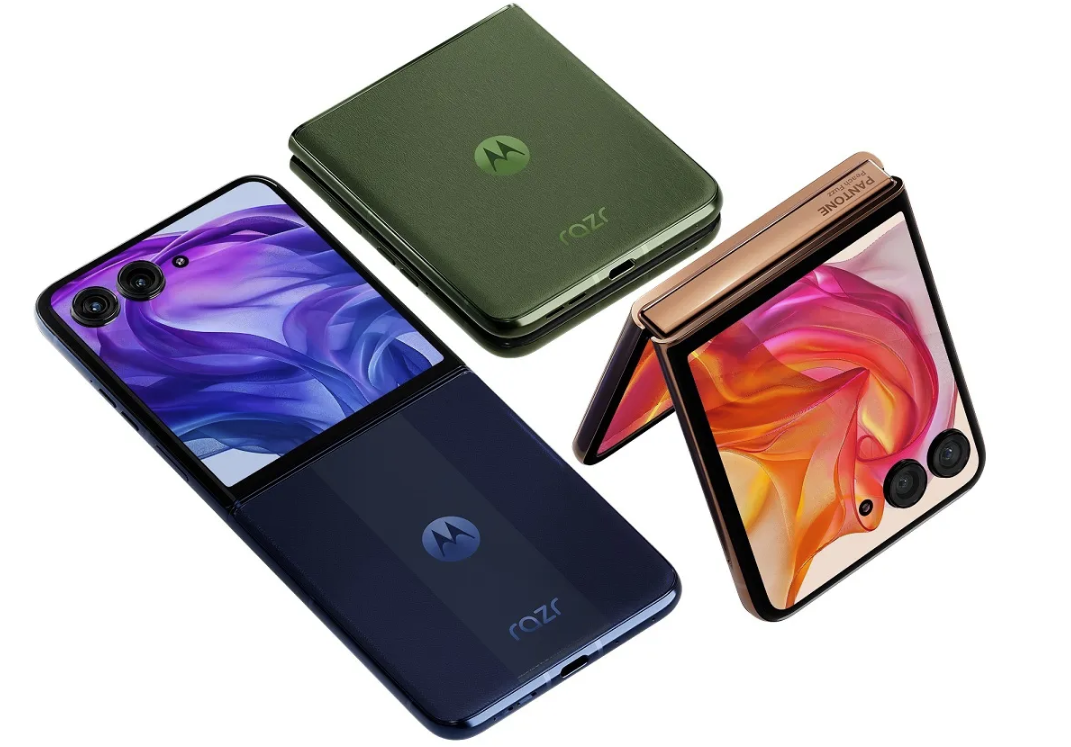
Motorola’s first smartphones supporting privacy-focused operating system GrapheneOS are expected to arrive in 2027, carrying higher prices than Google’s Pixel range.
The partnership will take GrapheneOS beyond Pixel hardware for the first time, giving privacy-conscious users an alternative manufacturer.
GrapheneOS said the initial Motorola devices would be premium flagships because lower-cost Qualcomm chipsets do not yet satisfy its strict security and long-term support requirements.
The phones are not expected to ship with GrapheneOS installed. Instead, consumers should be able to purchase standard retail models, unlock their bootloaders and install the operating system, potentially using a browser-based process similar to the existing Pixel installer.
GrapheneOS is an open-source Android alternative that includes strengthened memory protections, tighter application sandboxing, granular network permissions and other security features beyond standard Android.
Motorola is assigning engineers to help port and maintain the software, while Motorola and Qualcomm will assist with firmware, drivers and debugging hardware security features.
The initial devices are expected to use flagship Snapdragon processors and receive seven years of full software support. Planned protections include Memory Tagging Extension technology, firmware boot-mode safeguards and restrictions preventing unwanted access through the USB-C port.
GrapheneOS said Qualcomm’s latest premium processors offered strong performance and improved isolation for components including cellular, Wi-Fi, Bluetooth and GPS radios.
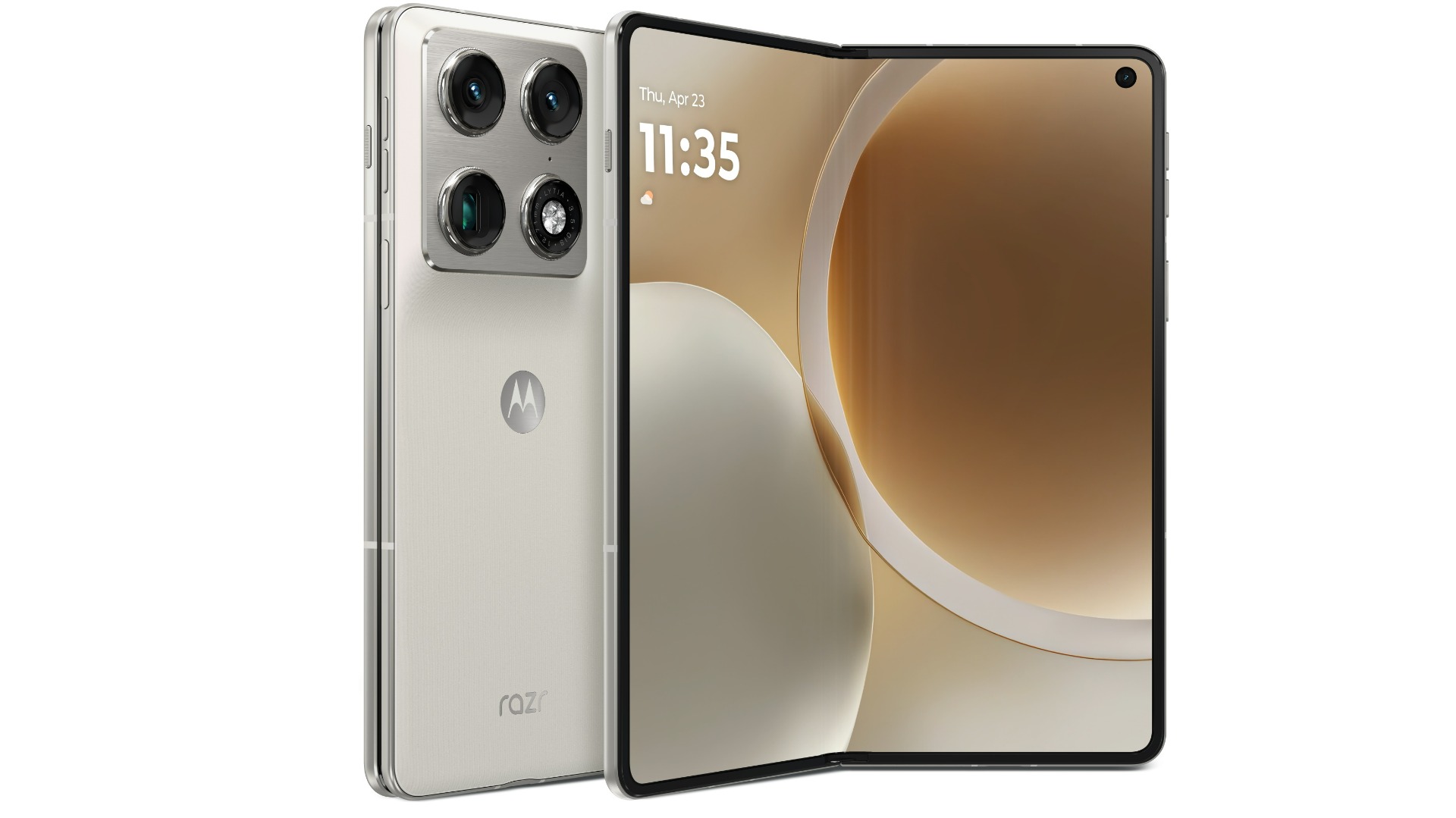
Support is expected to begin with conventional Motorola flagships before expanding to the company’s Razr Fold and Razr Ultra devices. That would introduce foldable phones to the GrapheneOS ecosystem for the first time.
The project said compatibility with Australian carrier Telstra should work well. Its carrier override feature can also force support for services including 5G, VoLTE, voice over 5G, Wi-Fi calling and cross-SIM calling where networks have not officially tested the operating system.
Motorola has not identified the first compatible models or announced Australian pricing and availability.
The move challenges Google’s near-exclusive hold on the hardened Android market.
Until now, Pixels were the only mainstream phones meeting GrapheneOS’s demanding hardware and security standards, leaving users dependent on Google devices despite choosing software designed to reduce their exposure to major technology platforms.