LG Begins webOS 26 Rollout For Older TVs
 Joe Gallop
24 Aug 2026
Joe Gallop
24 Aug 2026
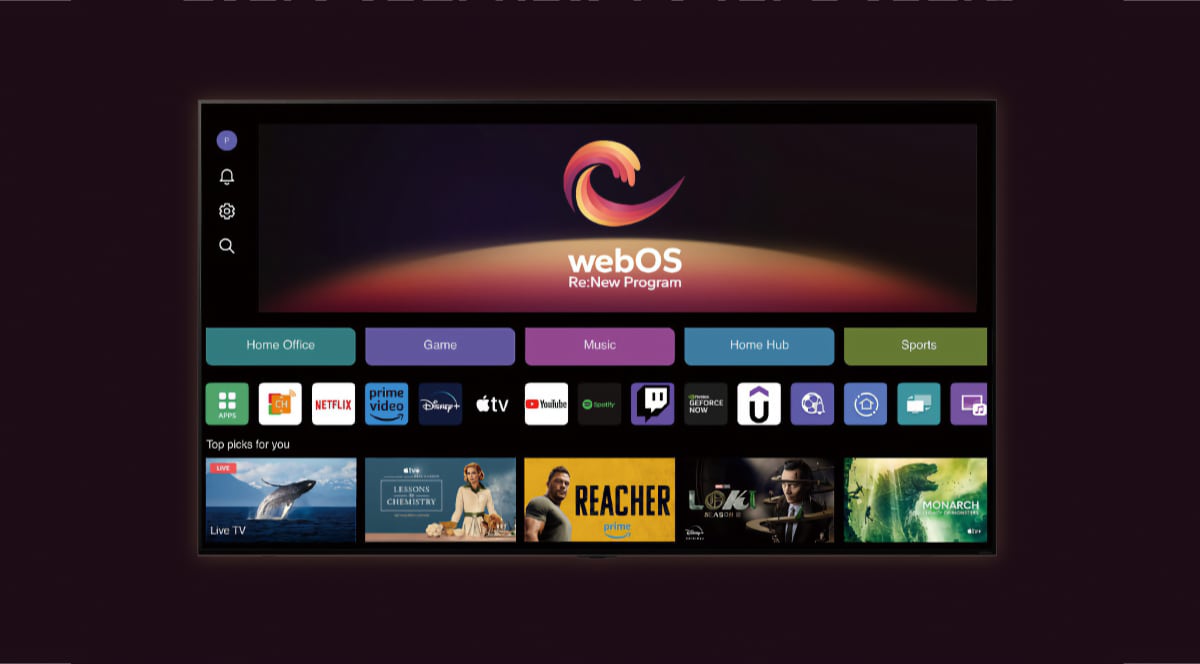
LG has begun rolling out its webOS 26 operating system to older televisions, bringing faster performance, expanded AI features and new smart home controls beyond its latest 2026 models.
The update is initially reaching LG’s 2025 G5 OLED TVs, with C-series OLEDs, premium LCD models and B-series OLEDs expected to follow.
LG’s 2024, 2023 and 2022 televisions are scheduled to receive webOS 26 progressively later this year or in early 2027, although availability will vary by model and region, including in Australia.
The rollout forms part of LG’s webOS Re:New program, under which supported televisions receive annual operating system upgrades for five years, including the original software version.
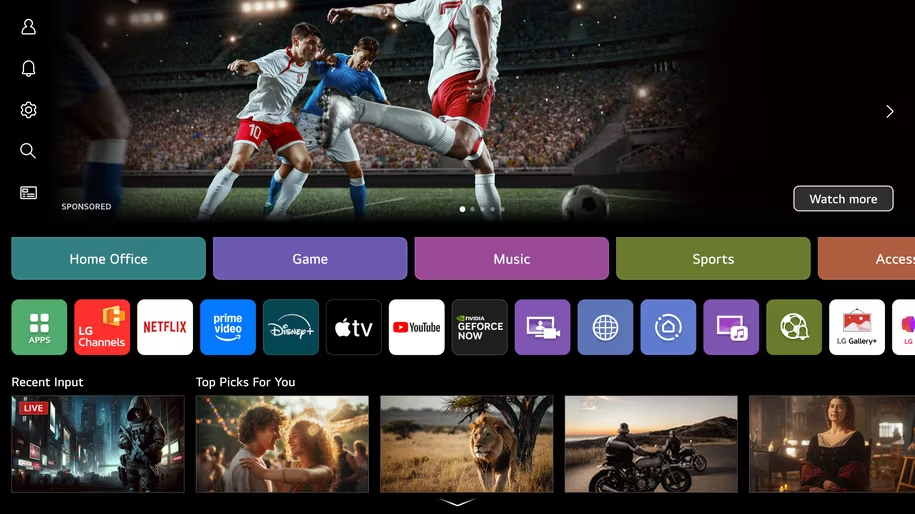
New additions include a redesigned Home Hub with Homey integration, an AI Concierge offering content recommendations and personalised tips, improved AI search and an image and music generation feature.
A new Kids Mode allows parents to limit the interface to approved content, while LG has also introduced an updated channel switcher and improvements to browser bookmarks and zoom controls.
However, the upgrade removes 360-degree VR support from the browser and media player. Enthusiast calibration tools including ColourSpace, bscpylgtv and LG White Balance GUI may also stop working on affected 2025 OLED models.
Some early users have reported eARC connection problems with soundbars following a restart, although the issue does not appear to affect every television.
The roughly 2GB update carries firmware version 43.21.71 on the G5. Once installed, users cannot downgrade to webOS 25, meaning owners concerned about early bugs or removed features may prefer to wait.
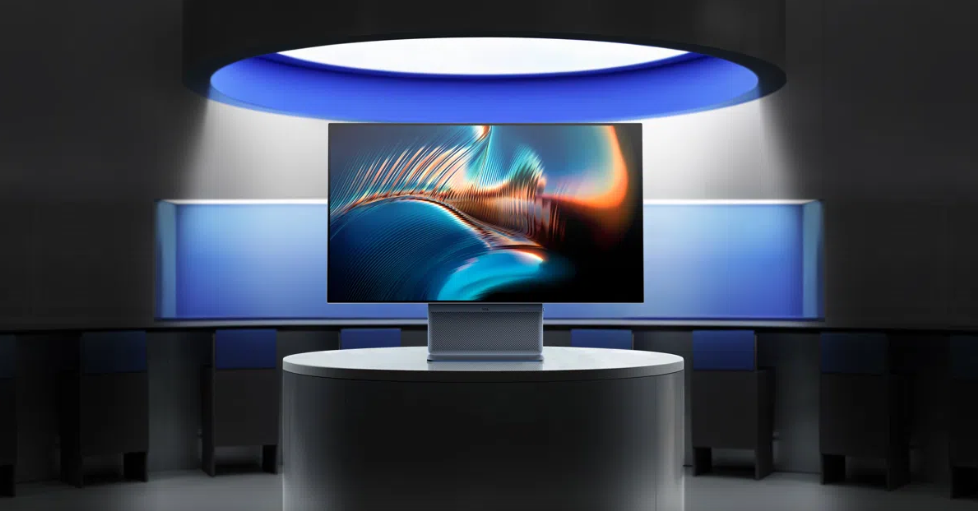
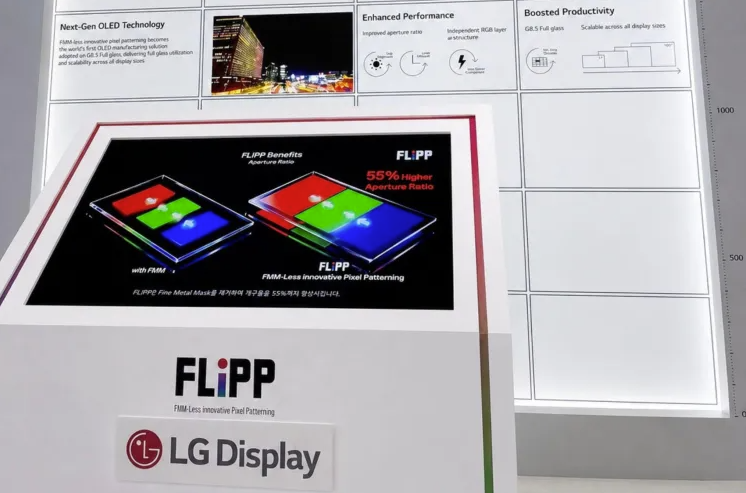
The software rollout follows LG Display’s unveiling of FLiPP (pictured above), a new mask-free OLED manufacturing process it claims can produce panels that are 1.6 times brighter, last 2.4 times longer and consume 13 per cent less power.
LG Display plans to introduce FLiPP first in tablets and monitors before expanding the technology to wearables, VR devices and ultra-large TVs, with production reportedly targeted to begin from late 2027.