Apple’s Wealthiest Australian Customers Face Steepest iPhone Price Hits as Memory Crisis Reshapes Smartphone Market
 David Richards
23 Jun 2026
David Richards
23 Jun 2026

Apple is set to push through significant price increases in Australia, with the company’s most loyal and affluent customers now locked into its ecosystem behind subscription paywalls and app store fees, facing the sharpest rises, as rivals scramble to delay or abandon sub-$1,000 model launches altogether.
CEO Tim Cook has warned that price increases are unavoidable, claiming “We’re doing our best to mitigate the huge increases that are being passed to us, and we’ve been trying to shield our customers from the increases, but the situation has become unsustainable.”
The driver is a global memory chip crisis of historic proportions.
Memory prices have risen more than sixfold over the last year, as AI data centre operators including Microsoft, Google, Amazon, Meta and OpenAI hoover up vast volumes of advanced DRAM and NAND flash, diverting supply away from consumer electronics manufacturers. Cook described the shortage as a “hundred-year flood” unlike anything he had witnessed in more than four decades in the technology supply chain.
The companies squeezing Apple are, in part, its own competitors. South Korean memory giants Samsung and SK Hynix are the primary suppliers driving the cost surge, the same Samsung that manufactures premium smartphones.
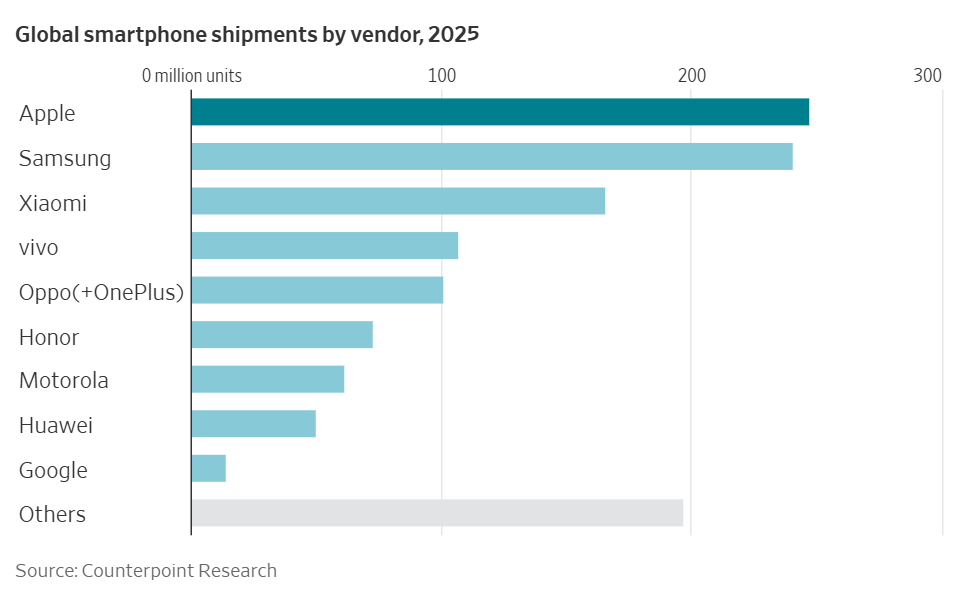
Samsung has so far made no announcement of comparable iPhone-style price increases, a position that reflects both its dual role as component supplier and device maker, and the revenue windfall it is extracting from the crisis itself.
Research firm TechInsights estimates that some premium iPhone models could rise by as much as $300 locally, with Pro models tipped to attract increases of around $270 when Apple’s next generation devices are unveiled later this year.
With the iPhone 17 Pro currently starting at $1,999 in Australia, the iPhone 18 Pro could open at $2,499 or higher.
For Apple, the pain is manageable.
The company controls a customer base with few rivals in terms of spending power and brand loyalty.
Apple commands more than two-thirds of Australia’s premium smartphone segment — devices priced at $1,000 or above , and that dominance intensifies at higher price points, with Apple capturing more than three-quarters of the $1,300-plus tier.
Competing at that level are a handful of devices including Samsung’s Galaxy S25 Ultra, Google’s Pixel 10 Pro XL, Oppo’s Find X9, and set to be launched Motorola Razr Fold which is tipped for next week.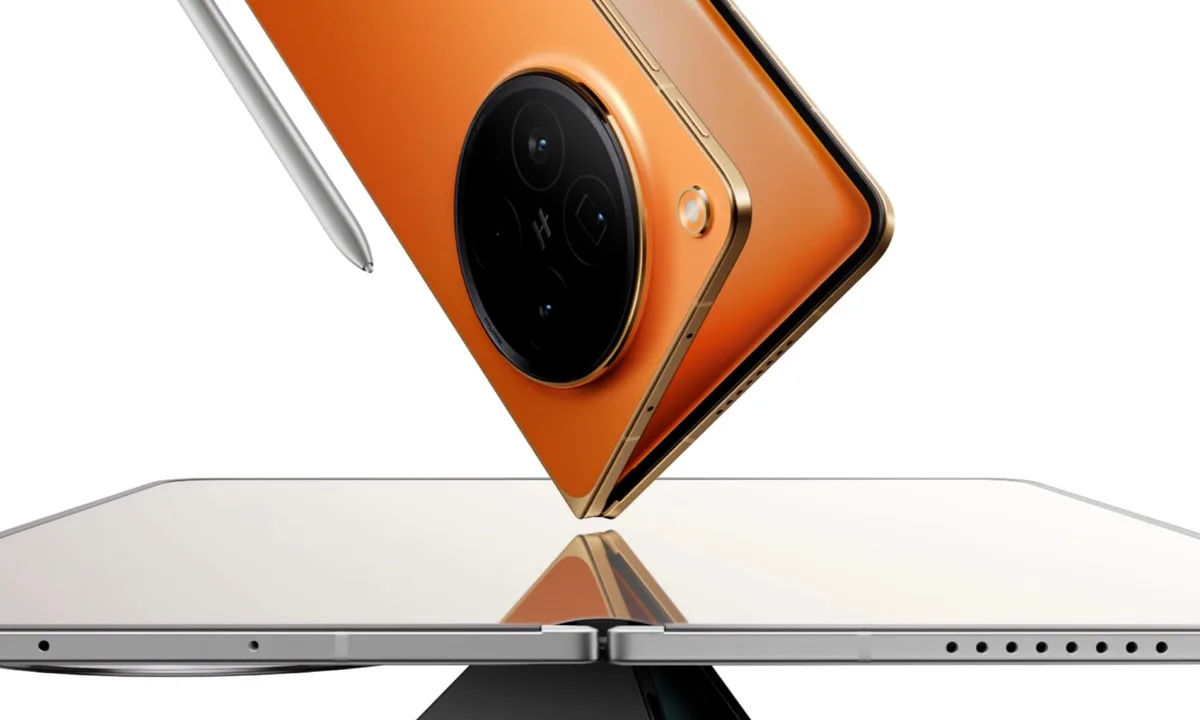
Critically, Apple doesn’t just sell hardware.
It operates a vast and monetised database of every iPhone user in Australia, continuously extracting revenue through app store commissions, iCloud subscriptions, Apple TV+, Apple Music and a growing suite of paid services.
Price rises on hardware will be absorbed partly by an existing revenue engine built on user lock-in.
That ecosystem dependency is precisely what allows Cook to move prices where competitors cannot.
Apple held firm with pricing for the iPhone 17e this year even as other manufacturers were already increasing costs, a strategic pause before a broader repricing cycle that analysts now believe is imminent and likely to stick.
As Apple commentator John Gruber has noted, prices are part of a product’s brand, meaning once higher costs come into play, those prices should be expected to hold permanently.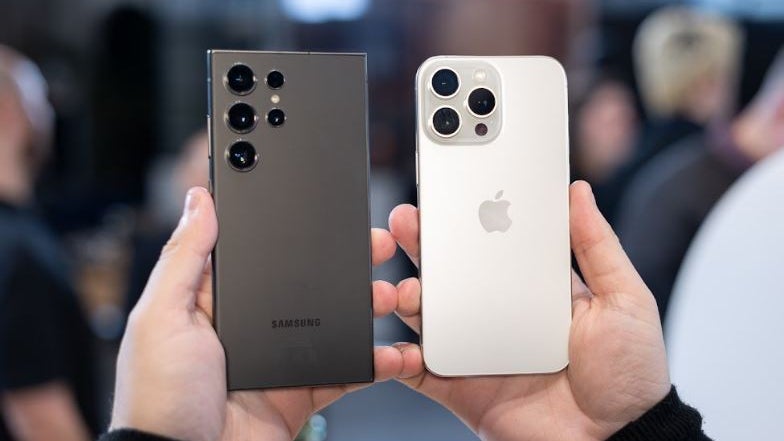
The fallout beyond Apple is significant. Across the broader Australian market, brands are being forced to rethink their model mix entirely, with the sub-$1,000 segment, which has historically accounted for roughly three-quarters of all smartphones sold locally, now under serious pressure.
Some manufacturers are eliminating entry-level models outright, while others are delaying launches as component costs make sub-$800 devices economically unviable at acceptable margins.
Smartphone manufacturers could be facing a 12% shortfall in memory chips, equivalent to about 134 million units globally, forcing companies to raise prices, cut specifications, delay launches and accept lower profits.
The double-digit volume decline expected to follow in the Australian market this year will be felt hardest by carriers and smartphone retailers such as JB Hi Fi, where the mass-market mid-tier device has long driven foot traffic and contract activations.
For JB Hi-Fi, which dominates the local mobile retail landscape, and carrier stores that depend on volume sales, the shift toward a higher-priced, lower-volume premium market represents a structural challenge with no easy answer.
Apple’s iPhone 18 range, expected in September alongside what may be the company’s first foldable device, will be the test case. The iPhone 18 foldable is expected to cost upwards of $2,800 locally, a price point that would set a new ceiling for consumer smartphones in Australia and signal definitively that the era of accessible premium technology is over.