Apple’s $899 MacBook Neo Rattles PC Makers As Rivals Scramble To Respond
 April Ossington
12 Mar 2026
April Ossington
12 Mar 2026
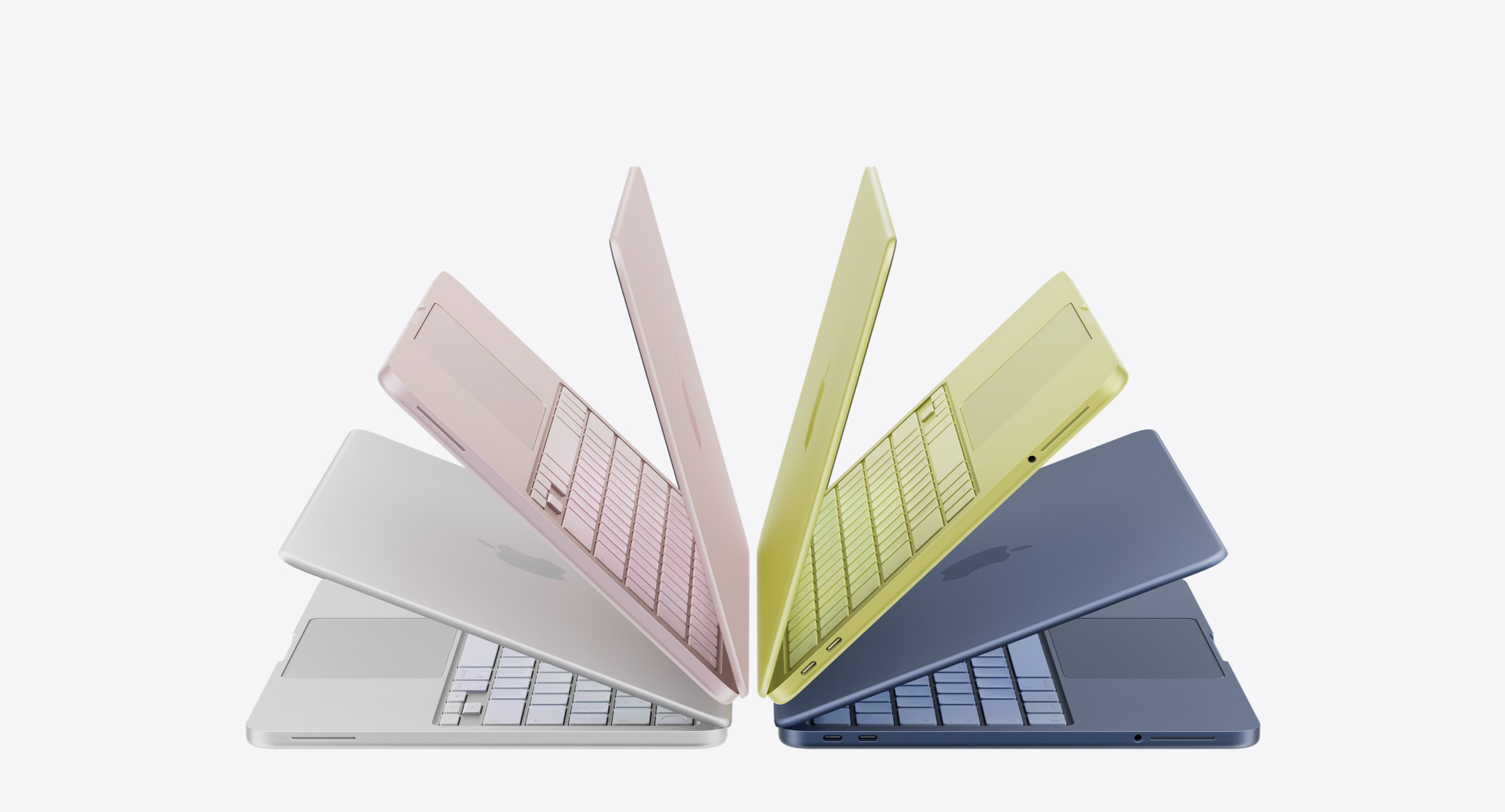
Apple has surprised the personal computer industry with the launch of its new MacBook Neo, a laptop priced significantly lower than most of the company’s previous Mac models. With a starting price of $899, the device has drawn strong attention from competitors who are not used to seeing Apple compete so aggressively on price.
Executives from rival PC manufacturers say the release has sent shockwaves through the industry. According to comments made during a recent earnings call, Asus co-chief executive S.Y. Hsu described the new laptop as a major surprise that has triggered discussions across the wider Windows ecosystem. Companies such as Microsoft, Intel and AMD are reportedly considering how they might respond to the new product.
Hsu attempted to frame the MacBook Neo as a more limited device designed primarily for media consumption rather than heavy computing tasks. He compared the laptop more closely with an iPad than with traditional productivity machines, pointing to its 8 GB of memory and the lack of upgrade options as potential limitations.
However, early reviews suggest the laptop performs well for everyday use. Many testers report that although the memory capacity appears modest on paper, the system still handles common tasks smoothly. Activities such as web browsing, streaming, document editing and general productivity appear to run without difficulty.

The experience is consistent with earlier Apple Silicon laptops. Many users of previous MacBook models with 8 GB of memory have reported stable performance for everyday workloads. Higher memory configurations tend to become necessary mainly for demanding tasks such as professional video editing or intensive software development.
For its intended audience, which includes students and casual users, the MacBook Neo may offer more than enough performance. The relatively low price also makes it appealing for buyers who previously considered Apple laptops too expensive.
The timing of the release is creating additional pressure for competing PC manufacturers. The wider industry is already dealing with a shortage of memory components, driven largely by rising demand for artificial intelligence hardware. As a result, memory prices have increased by more than 100 per cent over the previous quarter.
Several manufacturers have warned that once their current stock of memory components is depleted, the cost of producing laptops will likely rise. Asus has already indicated that future laptop prices may increase as the company replaces existing inventory with more expensive components.
This situation creates a difficult environment for companies competing against Apple. While Apple has introduced a laptop priced at $899, some Windows PC makers are preparing for potential price increases across their product lines.
Industry analysts expect the memory supply constraints to continue for several years. New manufacturing facilities are under construction, but additional capacity may not arrive until late 2027.
Although the MacBook Neo may not appeal to every buyer, its arrival has created a challenging moment for competitors. A lower priced Apple laptop entering the market at the same time as rising component costs could force PC manufacturers to rethink both pricing and product strategies.
The MacBook Neo is currently available at JB Hi-Fi.