YouTube Overtakes Hollywood Studios in Advertising, But Expect More Unskippable Ads
 Joe Gallop
12 Mar 2026
Joe Gallop
12 Mar 2026

YouTube has now surpassed some of Hollywood’s biggest media companies in advertising revenue, highlighting a big shift in how audiences consume video content.
New estimates from media research firm MoffettNathanson show the Google-owned platform generated US$40.4 billion (A$61 billion) in advertising revenue in 2025, overtaking the combined US$37.8 billion earned by traditional media giants Disney, NBCUniversal, Paramount and Warner Bros. Discovery.
The milestone marks a reversal from 2024, when YouTube’s US$36.1 billion in ad revenue still trailed the four studios’ combined US$41.8 billion.
YouTube’s influence extends beyond revenue. According to Nielsen data, the platform captured 12.5% of total US TV viewing in January, outperforming the combined streaming audiences of Disney, NBCUniversal, Paramount and Warner Bros. Discovery. Netflix, the closest individual streaming rival, accounted for 8.8% of viewing share.
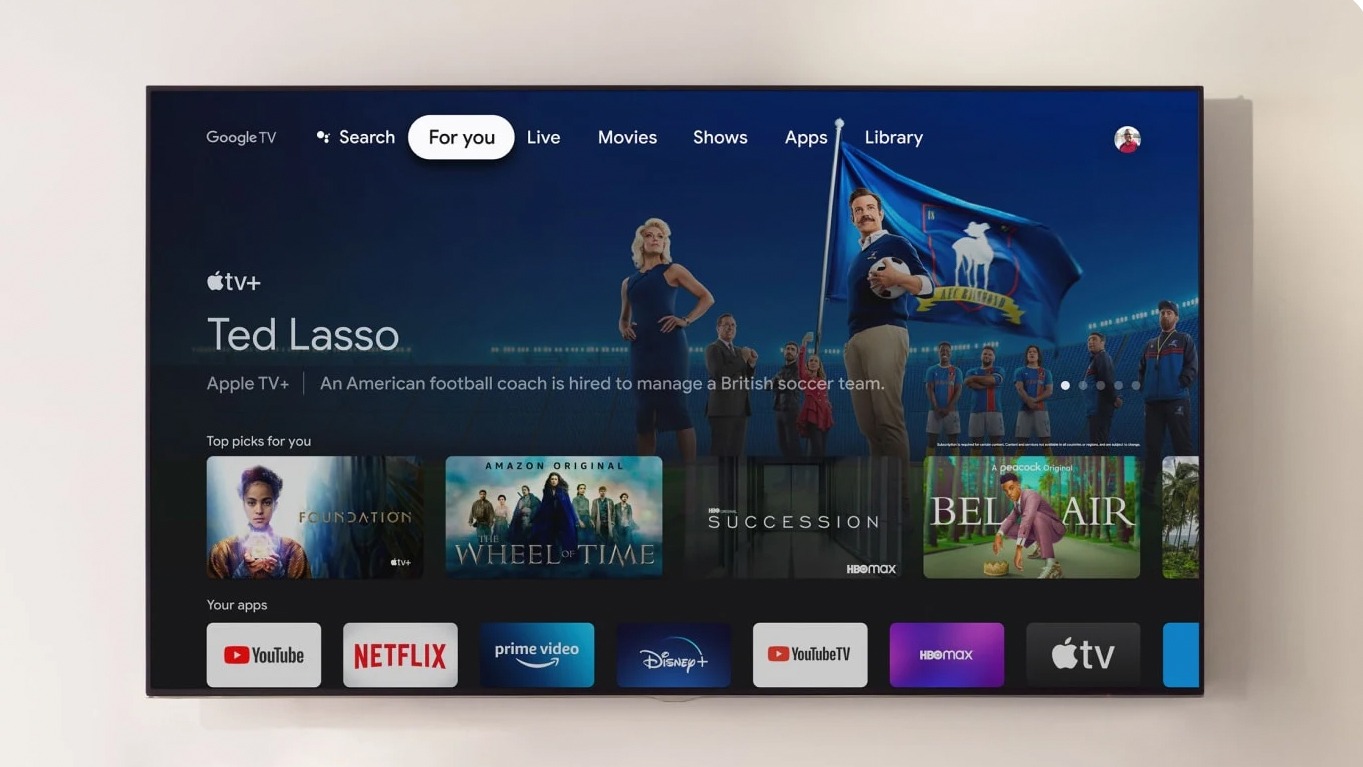
Despite its origins as a hub for amateur videos, YouTube has increasingly become a major player in living-room entertainment. Connected TV viewing has surged in recent years, with audiences watching creator content, podcasts and live streams directly on smart TVs.
Ads remain the core engine behind YouTube’s growth, including the 30-second unskippable ones that viewers increasingly encounter before videos.
But the platform’s business now stretches well beyond advertising. Alphabet reported that YouTube generated more than US$60 billion in total revenue in 2025, with nearly US$22 billion coming from subscription services such as YouTube Premium, YouTube Music and YouTube TV, as well as sports packages like NFL Sunday Ticket.

YouTube’s creator-driven model is a major factor in its growth. The company typically shares around 55% of advertising revenue with creators, fuelling a constant supply of new content and attracting more viewers and advertisers in the process.
For traditional media companies, the numbers reflect a structural shift rather than a temporary disruption. As audiences continue to migrate to on-demand, creator-led platforms, the advertising power once dominated by television networks is rapidly moving online.
For viewers, the trade-off is more free content, but also more ads.