Apple Shares Sink As Memory Crunch Clouds Record Quarter
 Joe Gallop
03 Aug 2026
Joe Gallop
03 Aug 2026
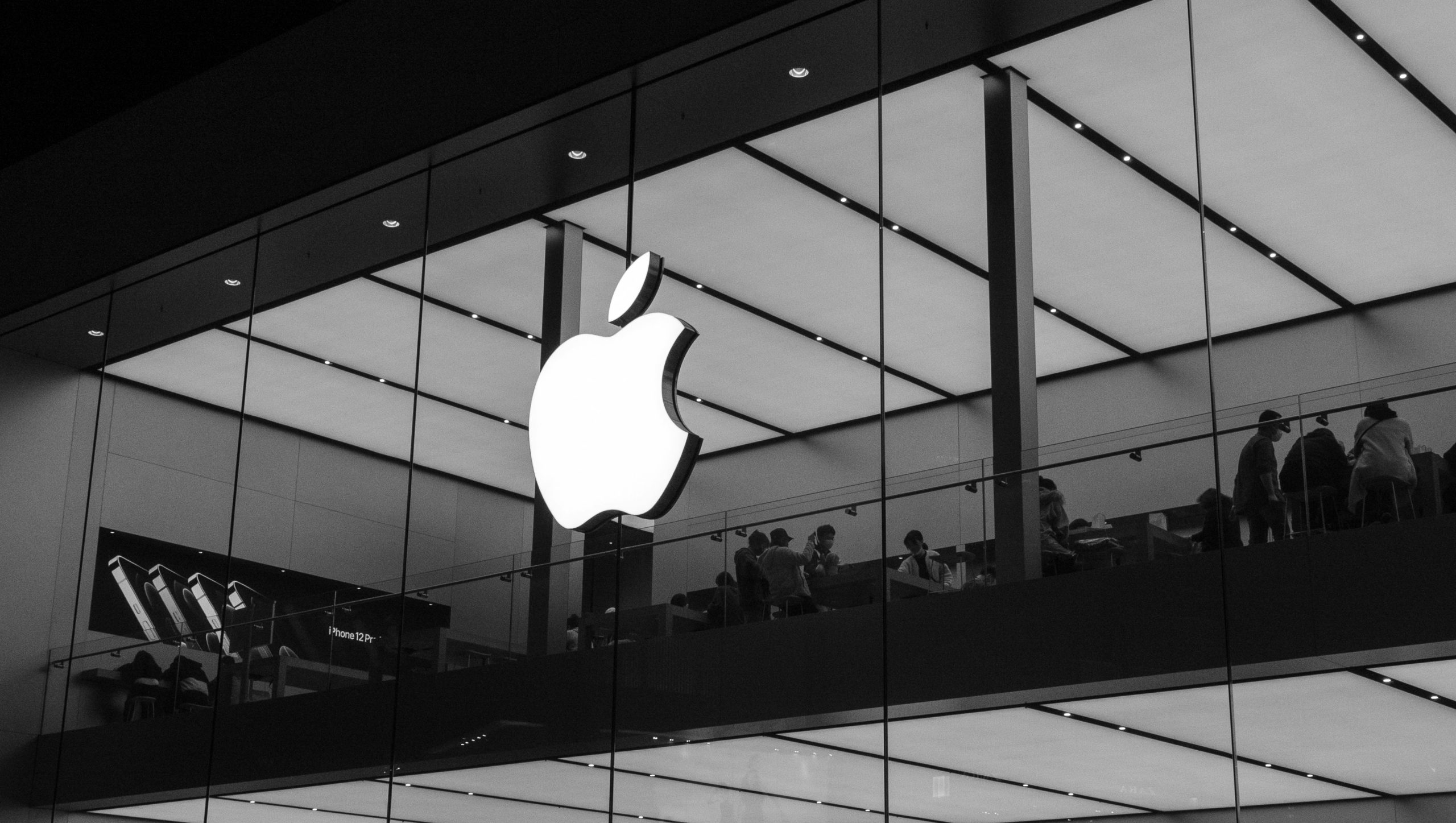
Apple shares plunged more than 7% after soaring memory prices and supply constraints overshadowed the company’s June quarter on record.
The stock closed Friday at US$308.91, wiping hundreds of billions of dollars from Apple’s market value, as investors focused on weaker-than-expected guidance for the September quarter.
Apple forecast revenue growth of between 9% and 11%, below Wall Street expectations of around 12%, while warning that shortages of memory and advanced chipmaking capacity would continue to affect its products.
Chief executive Tim Cook described the surge in memory pricing as a “100-year flood”, driven partly by booming demand from AI data centres.

Apple has already raised prices on some Mac and iPad models in response to higher component costs, with Cook saying the company had done so “reluctantly”. He declined to say whether prices for the next iPhone range would also increase.
The warnings came despite Apple reporting revenue of US$109.4 billion, up 16% year-on-year, and diluted earnings of US$2.02 per share, an increase of 29%.
Net profit climbed 27% to US$29.79 billion, while Apple’s installed base of active devices reached a record across every major product category and geographic market.

iPhone revenue jumped 21.7% to a June-quarter record of US$54.25 billion, while Mac sales surged 28.7% to US$10.35 billion. However, iPad revenue declined 5.9% and services sales fell short of analysts’ forecasts.
Apple’s earnings were also supported by tariff refunds, which contributed US$0.11 per share and added around two percentage points to its reported gross margin of 50.1%. The company will not receive the same benefit during the current quarter.
The results marked Cook’s final earnings call before John Ternus takes over as Apple chief executive on September 1.