Apple Seeks Court Order To Halt OpenAI Hardware Work
 Joe Gallop
06 Aug 2026
Joe Gallop
06 Aug 2026
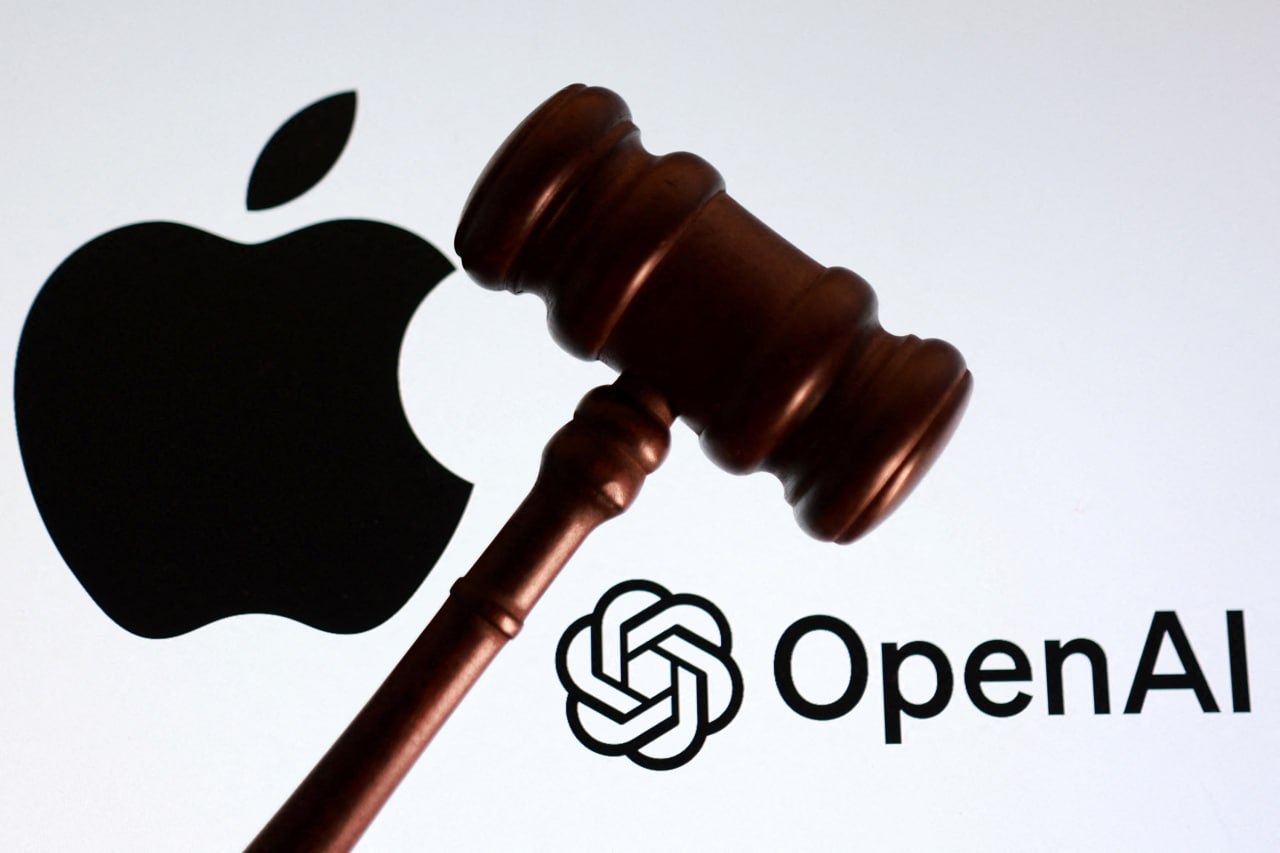
Apple has asked a US federal judge to restrict OpenAI’s hardware development, alleging the ChatGPT maker and two former Apple employees misappropriated confidential information.
The iPhone maker filed for a preliminary injunction in California, seeking to prevent OpenAI and the former staff from accessing, using or disclosing alleged Apple trade secrets while the case proceeds.
Apple claims former engineer Chang Liu retained or accessed confidential hardware files after leaving the company, while former product design executive Tang Yew Tan allegedly shared supplier information and advised recruits on avoiding Apple’s exit procedures.
Tan, who spent 24 years at Apple and worked on the iPhone and Apple Watch, now leads OpenAI’s hardware efforts.
Apple has also requested expedited discovery, including depositions and access to documents relating to the alleged information transfers. The company said it could suffer “irreparable harm” without immediate court intervention.
OpenAI has rejected the allegations, describing Apple’s lawsuit as “careless, aggressive and oddly personal”.
In a statement published on its website, titled “Apple is getting this wrong”, OpenAI released redacted emails and messages that it said contradicted key parts of Apple’s account.
The correspondence shows Apple’s external lawyer, Gabriel Gross of Weil, Gotshal & Manges, emailed OpenAI general counsel Che Chang in February with material intended for a different person with the surname Wang.
Gross then sent a follow-up email thanking Chang for a telephone conversation which OpenAI said never occurred. Chang contacted Apple’s in-house legal team, saying he had never spoken to Gross and did not know why the lawyer claimed otherwise.
Gross later acknowledged the second email had been intended for Wang and apologised for the confusion. Apple’s in-house counsel confirmed Weil was acting for the company.
OpenAI said the specific allegations later included in Apple’s lawsuit were not raised during that exchange and claimed it heard nothing further from Apple for five months before proceedings were launched.
OpenAI also published messages involving Liu and Apple employees following his final day at the company on January 22.
The exchanges appear to show Apple staff asking Liu to help locate files, explain technical matters and identify internal contacts after he had left the business.
In one message, an Apple employee told Liu he was “the best” person to ask for information, “even if you don’t work here anymore”. Another exchange in March ended when a participant described Liu’s involvement as “highly irregular” and requested that the discussion continue internally.
OpenAI argued that any continuing access to Apple systems resulted from weaknesses in Apple’s employee offboarding processes rather than deliberate attempts to retain confidential information.
The company said former employees could remain connected to Apple files without requesting or even realising they still had access. OpenAI presented this as evidence that any “residual access” was caused by Apple’s own system controls.
As for Tan, OpenAI said he had repeatedly instructed his team not to use confidential information belonging to other companies.
It described Tan as one of Apple’s most innovative former leaders and said his instructions to staff were inconsistent with Apple’s claim that he sought to obtain and use its trade secrets.
OpenAI said it had offered to work with Apple to resolve the dispute and insisted it neither possessed nor wanted Apple’s confidential information.
The company has reportedly agreed to preserve evidence, prevent future access and halt any use of Apple information. However, it has resisted demands that Apple’s lawyers and forensic specialists inspect its devices, networks and storage systems.
The emails and messages were selected and published by OpenAI, with names and technical information redacted. The material represents OpenAI’s account of the dispute and has not yet been tested in court.
The case comes as OpenAI expands beyond software into consumer hardware, following its acquisition of Jony Ive’s hardware venture in 2025.
A court decision on Apple’s injunction request is expected in the coming months.