Microsoft Loses Another Edge As Netflix Unlocks 4K Chrome Streaming
 Joe Gallop
06 Aug 2026
Joe Gallop
06 Aug 2026

Netflix has enabled 4K Ultra HD streaming through Google Chrome, removing one of Microsoft Edge’s few practical advantages over the market-leading browser.
Eligible Windows users previously had to switch to Edge or the Netflix app to watch content in 4K. Chrome users can now remain in their preferred browser, giving them one less reason to use Microsoft’s alternative.
The upgrade is available on fully updated Windows 11 devices running Chrome version 117 or later, provided they meet Netflix’s hardware requirements.
Users need an Intel seventh-generation Core processor or newer, or an AMD Ryzen processor. Compatible graphics hardware includes Nvidia’s GeForce GTX 1050 or later and AMD’s Radeon RX 400 series or newer.
Updated graphics drivers and support for the HEVC video codec may also be required.
Subscribers must have a Netflix Premium plan, playback quality set to Auto or High, and a stable internet connection of at least 15Mbps.
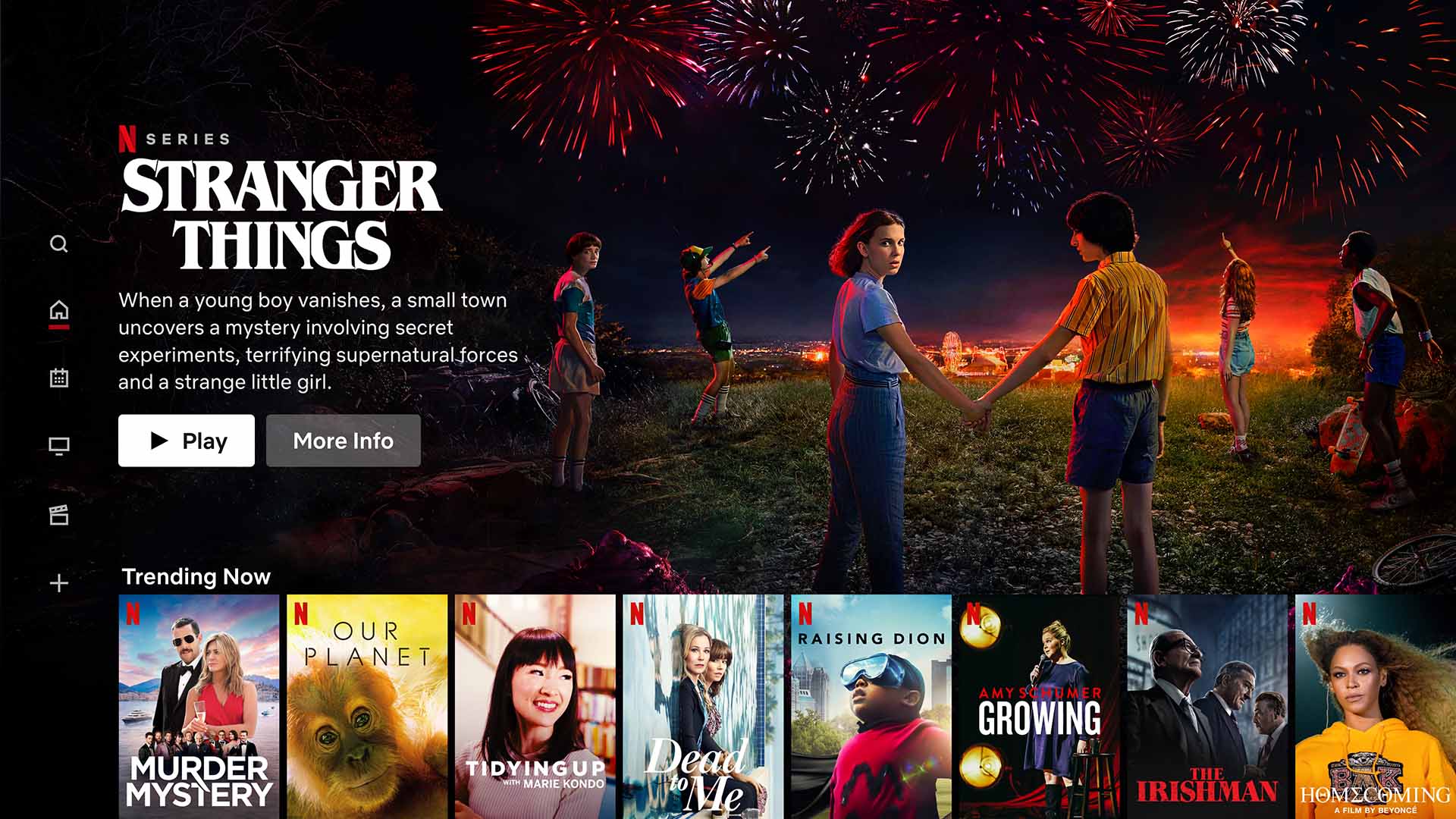
The display must support 4K resolution at 60Hz. External monitors, projectors and televisions also require an HDCP 2.2-compatible connection.
Compatible Chromebook Plus devices running the latest ChromeOS updates can also access Ultra HD streams.
The change does not extend to all Chrome users. Windows 10 is excluded, while Chrome on macOS remains capped at 1080p. Mac users still need Safari for browser-based 4K Netflix playback.
Linux users face even lower limits, with Chrome playback capped at 720p.
Microsoft has not lost every advantage. Edge continues to support Netflix playback in 4K with HDR on compatible Windows systems, while Chrome’s support is limited to standard 4K. Dolby Atmos also remains unavailable through Chrome.
The development is therefore a modest setback rather than a major blow for Microsoft, but it weakens another reason for Windows users to choose Edge over Chrome.