Apple Faces Probe Over Siri Recordings
 Joe Gallop
07 Oct 2025
Joe Gallop
07 Oct 2025

Apple is under fresh scrutiny in Europe after French prosecutors opened a criminal investigation into how its voice assistant Siri collects and processes user recordings.
The move could test the limits of privacy compliance for AI-driven devices.
The complaint is based on testimony from whistleblower Thomas Le Bonniec, a former Apple subcontractor in Ireland, who claims that contractors were tasked with listening to thousands of Siri audio clips – many containing sensitive or private conversations – without users’ knowledge or consent.
Le Bonniec has urged prosecutors to determine how many recordings Apple has stored since Siri’s launch in 2014, where the data is held, and how many people have been affected.
“These are urgent questions that deserve answers,” he said in a statement.
Apple denies any wrongdoing, maintaining that Siri data is never used for marketing or sold to third parties.
In a January blog post, the company said it no longer retains audio recordings unless users explicitly opt in to help improve Siri’s accuracy.
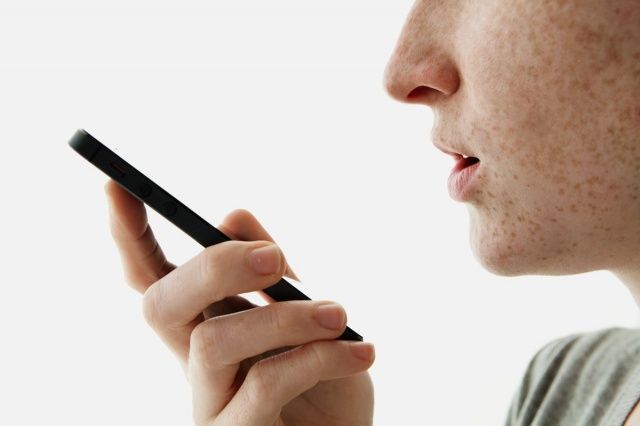
This is not the first controversy surrounding Siri’s data practices.
In 2019, reports revealed that contractors were reviewing anonymised snippets of user conversations to refine Siri’s responses, prompting Apple to halt the program and introduce stricter privacy controls.
The latest investigation highlights France’s increasingly tough stance on US tech giants.
Authorities have previously imposed fines and launched digital tax measures targeting companies like Meta, Google and Amazon.
The latest probe into Apple was led by France’s Office for Combating Cybercrime (OFAC). It follows a complaint filed in February by human rights group Ligue des droits de l’Homme (LDH).
If found to have breached data protection or privacy laws, Apple could face criminal penalties under France’s privacy code and sanctions from the national data regulator, CNIL.
The probe adds to growing European concern over how voice assistants, including Siri, Alexa and Google Assistant, handle recordings that can inadvertently capture deeply personal moments.
Apple has declined further comment while the French investigation is ongoing.