Apple Ditches Dud Headset As They Attempt To Chase Meta Smart Glasses
 David Richards
02 Oct 2025
David Richards
02 Oct 2025
Apple has scrapped development of its $4,200 Vision Pro headset after weak demand,with the Company that is also struggling with AI now pivoting instead to smart glasses as it attempts to catch up with Meta in the fast-growing wearables market.
The move marks a significant reversal for the iPhone maker, which is now reallocating staff to a new smart glasses program. Retailers in Australia, including JB Hi-Fi, expect smart glasses and wearables to be a major growth category by 2026.
Apple had originally planned a cheaper version of the Vision Pro, codenamed N100, for release in 2027. But in a bid to spark consumer interest sooner, the company is now accelerating work on smart glasses—an area where analysts say it has fallen behind rivals, much like in the AI race.
It was only 12 months ago that Apple ditched plans to break into the automotive market.
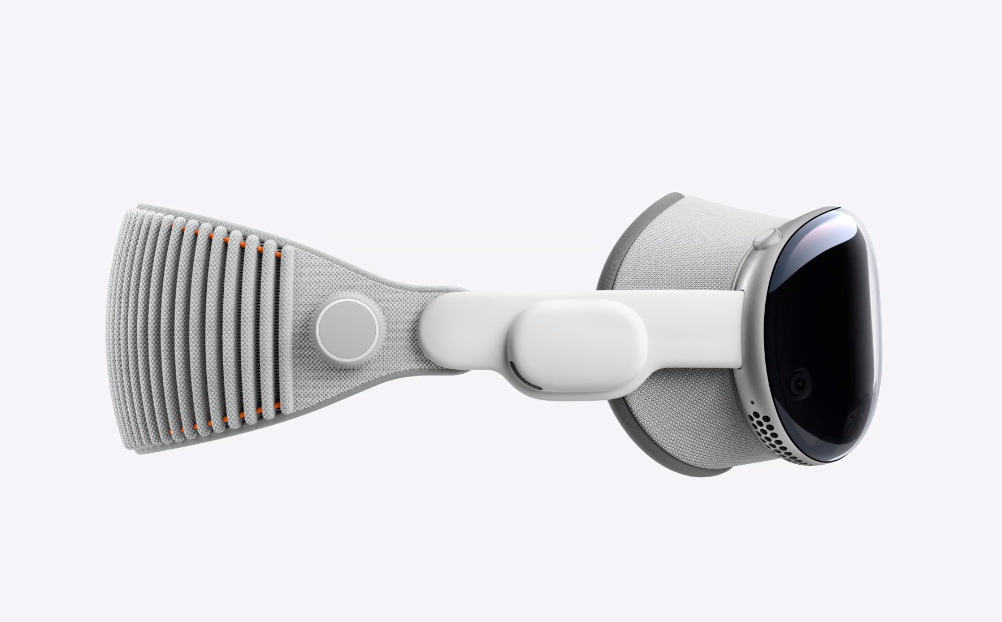
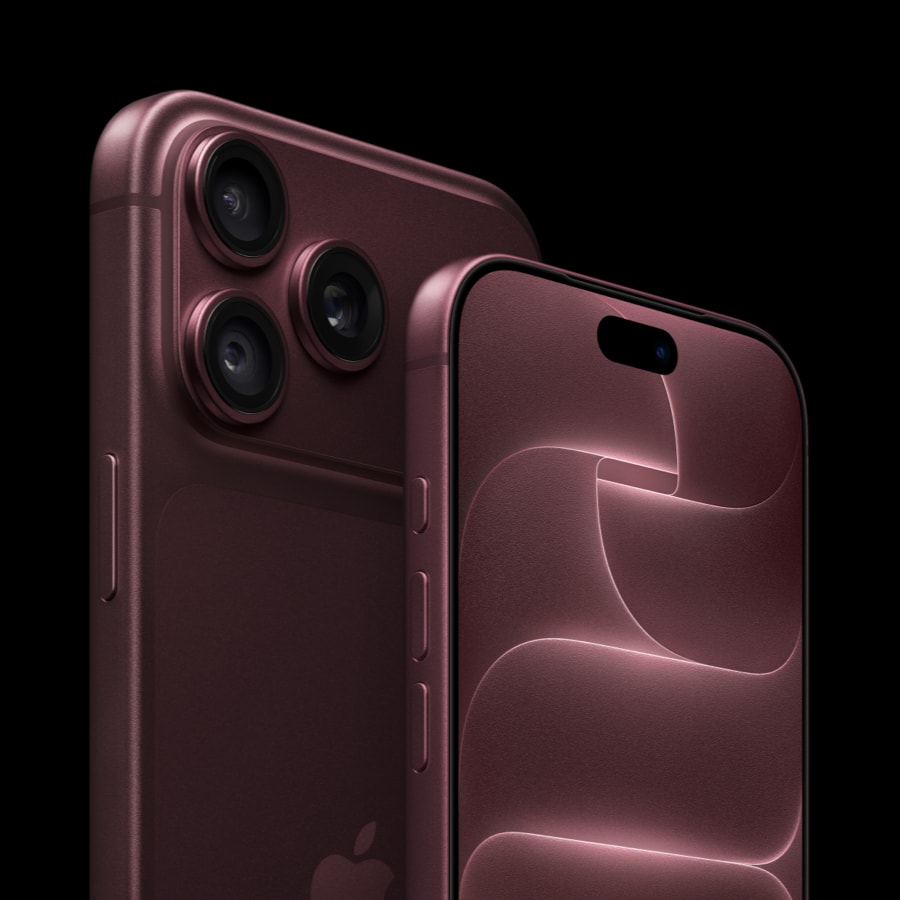
Apple Vision Pro.
Two Models in Development
According to Bloomberg, Apple is working on at least two glasses models:
N50: A pair that pairs with an iPhone but lacks its own display, targeted for unveiling as soon as next year with a 2027 release.
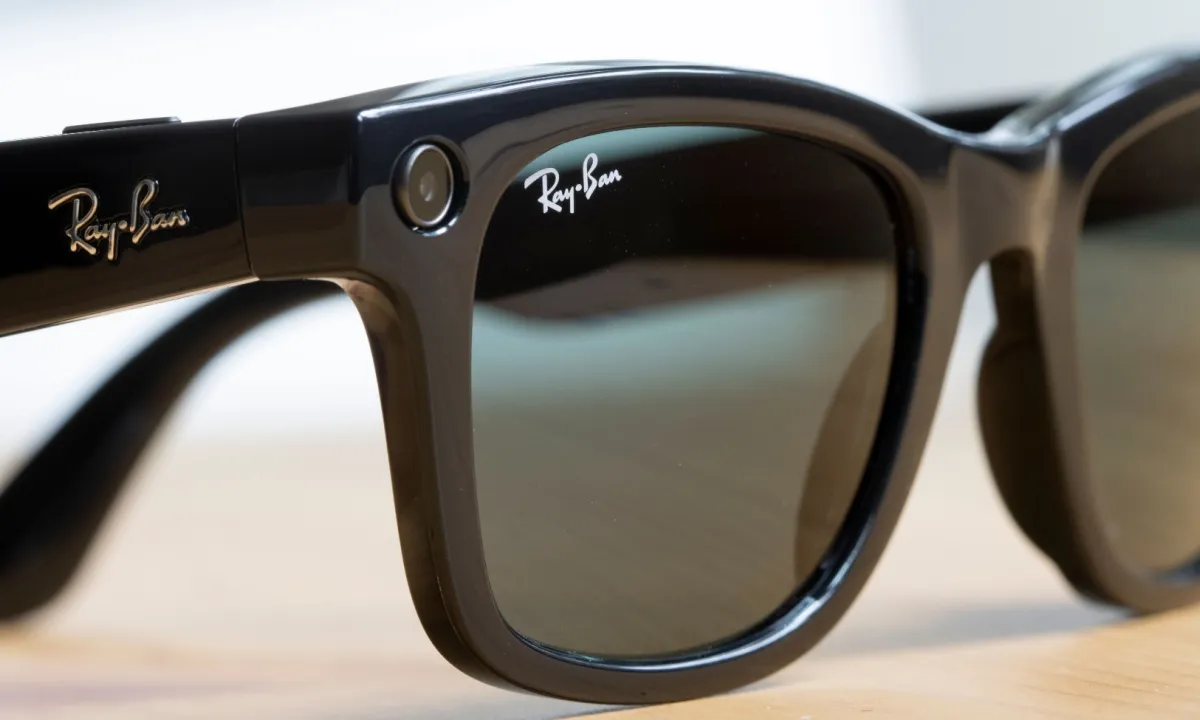
Display-equipped model: Designed to compete directly with Meta’s new Ray-Ban smart glasses, which launched this year. Originally slated for 2028, Apple is reportedly moving faster on development.
The glasses are expected to feature built-in processors, voice controls, speakers for music playback, cameras, and potential health-tracking functions.
Meta’s Lead in the Market
Meta recently updated its non-display Ray-Ban glasses, adding improved cameras, longer battery life, and designs aimed at athletes. Analysts say the product has generated strong early buzz and positioned Meta ahead of Apple in the category. A follow-up version with dual displays is already planned for 2027.
While Meta has struggled with its mixed-reality headsets, smart glasses have given the company fresh momentum in consumer hardware.
Apple’s AI Bet
Apple’s glasses will rely heavily on voice and artificial intelligence, despite criticism that its current Siri assistant lags behind competitors such as Samsung and Google. A rebuilt Siri is expected as early as March, which Apple hopes will power not only glasses but also new speakers, cameras, and displays.
Lessons From Vision Pro
Apple spent over a decade and billions of dollars developing the Vision Pro, but the headset failed to gain traction. CEO Tim Cook has long signaled his preference for glasses over headsets, arguing as early as 2016 that “few people are going to view that it’s acceptable to be enclosed in something, because we’re all social people at heart.”
While Apple hasn’t entirely abandoned plans for a lighter, cheaper version of the Vision Pro, the company’s strategic focus is clearly shifting to smart glasses—where Meta has established an early lead and where consumer demand appears stronger.