Amazon Slapped With Record $3.8 billion fine
 Nigel Bowen
26 Sep 2025
Nigel Bowen
26 Sep 2025

Amazon has agreed to pay a record US$2.5 billion ($3.8 billion) to settle a Federal Trade Commission (FTC) case over how it signed up and retained Prime customers.
The package includes a US$1 billion ($1.5 billion) civil penalty, the largest in the FTC’s history, along with US$1.5 billion ($2.3 billion) set aside for consumer redress.
The regulator accused Amazon of using dark patterns to nudge customers into Prime and of creating an obstacle course when they tried to cancel.
The company did not admit wrongdoing but said it was ready to move on.
“We work incredibly hard to make it clear and simple for customers to both sign up or cancel their Prime membership, and to offer substantial value for our many millions of loyal Prime members around the world,” Amazon said.
Under the deal, Amazon must make cancelling Prime as simple as signing up.
It must also spell out the price, renewal terms and cancellation process more clearly. An independent monitor will oversee compliance.
About 35 million Prime users are expected to be eligible for refunds.
American Amazon customers who used fewer than three Prime benefits in any 12-month period between June 23, 2019 and June 23, 2025 get US$51 ($77) automatically. Those who used Prime benefits fewer than 10 times in that time frame will be eligible to receive the same amount through a claims process.
Amazon will have to notify eligible consumers directly by email and mail, as well as post settlement information on its website and app.
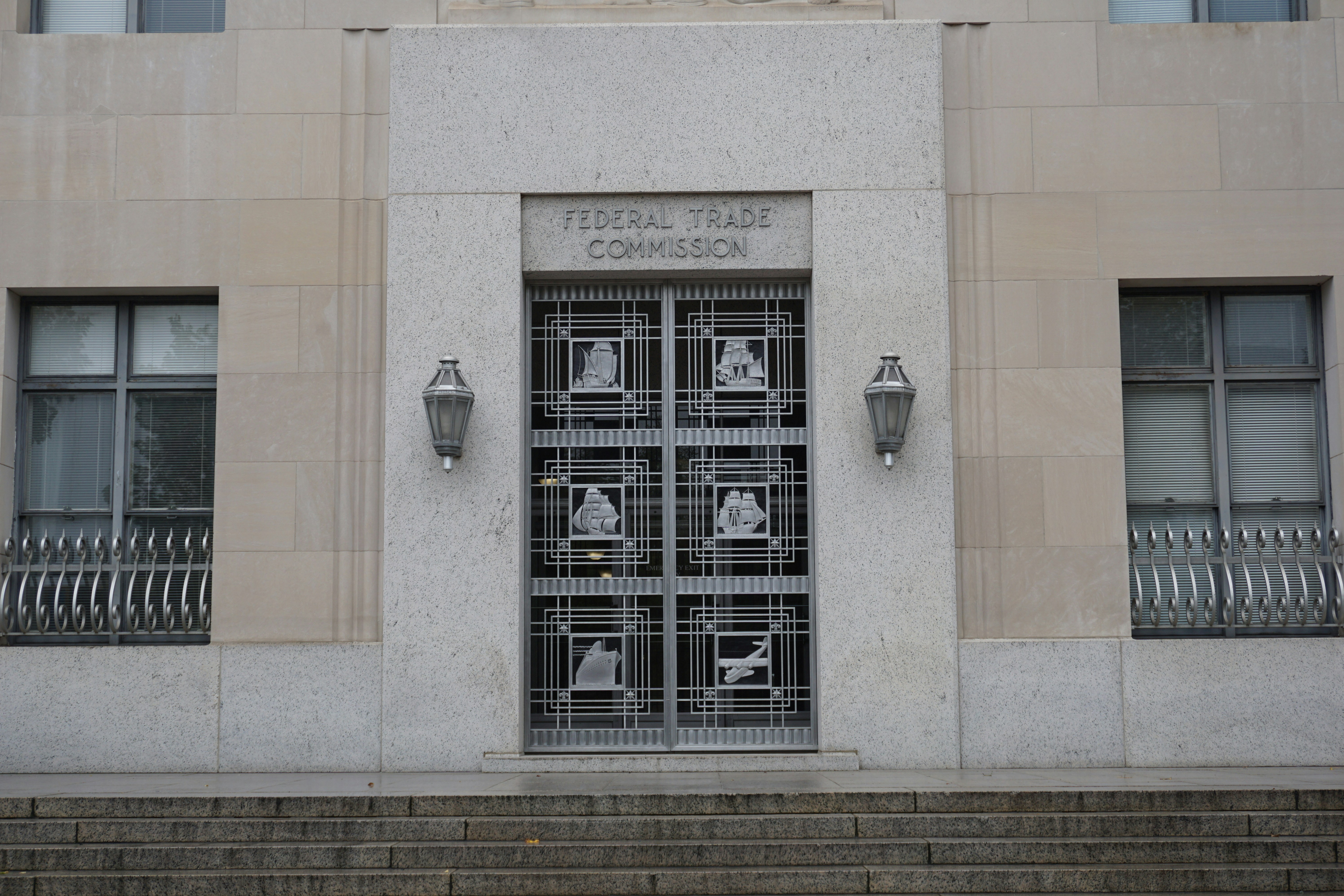
After decades of light-touch regulation, US tech companies are now experiencing the more aggressive kind
FTC Chair Andrew N. Ferguson said the deal was a major win for consumers.
Amazon countered that it had already simplified cancellation flows before the case and would continue to focus on customer experience.
The trial had opened in Seattle before the settlement was reached. The original complaint was filed in 2023.
Prime remains one of Amazon’s most important products, priced at US$139 ($213) a year or US$14.99 ($23) a month. It underpins the company’s retail, logistics and media ecosystem.
The settlement comes after a federal appeals court struck down a broader click-to-cancel rule in July, leaving the FTC reliant on case-by-case enforcement.
While President Trump is prepared to lobby for American tech companies in some circumstances, it seems Washington is also prepared to use record penalties to push back against their more questionable practices, especially in the US market.