Xbox Boss Promises Affordability As Next-Gen Costs Soar
 Joe Gallop
27 Aug 2026
Joe Gallop
27 Aug 2026

Xbox chief executive Asha Sharma says Microsoft is prioritising affordability and efficiency for its next-generation console as AI-fuelled demand drives up the cost of memory and other components.
The new console, codenamed Project Helix, is being developed as existing Xbox hardware reaches record prices.
In Australia, Microsoft currently charges A$1,099 for the disc-based Xbox Series X, A$999 for the digital model and A$699 for the entry-level Series S. Microsoft Store Australia lists the 1TB Series S at A$849.
“This next generation, we have to be thinking about efficiency and affordability alongside performance,” Sharma told the BBC.
She said the gaming industry was in the middle of a “Rampocalypse”, with soaring RAM and storage prices forcing hardware manufacturers to reconsider how components are used.
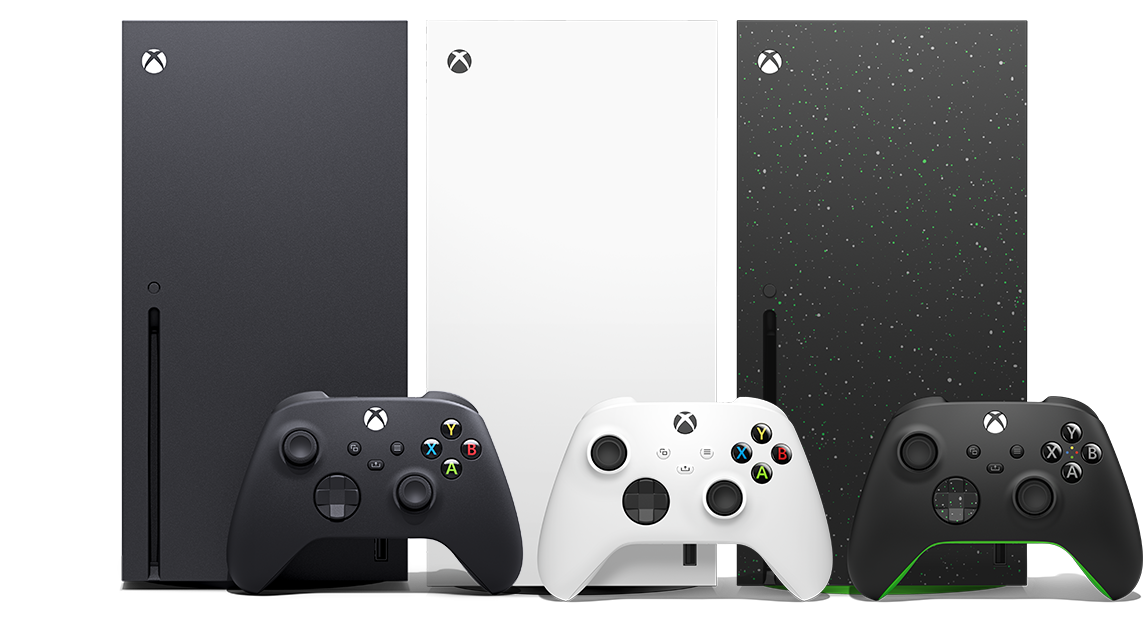
AI companies are buying enormous quantities of memory and computing hardware for data centres, restricting supply and increasing prices. Microsoft is itself among the world’s biggest investors in AI infrastructure.
Sharma said Xbox must consider storage and memory efficiency, component selection and the final price paid by consumers when designing Project Helix.
However, she declined to confirm whether the console would include a disc drive.
Microsoft has instead announced a disc-to-digital program that will give players digital entitlements for about 1,000 supported physical Xbox games.
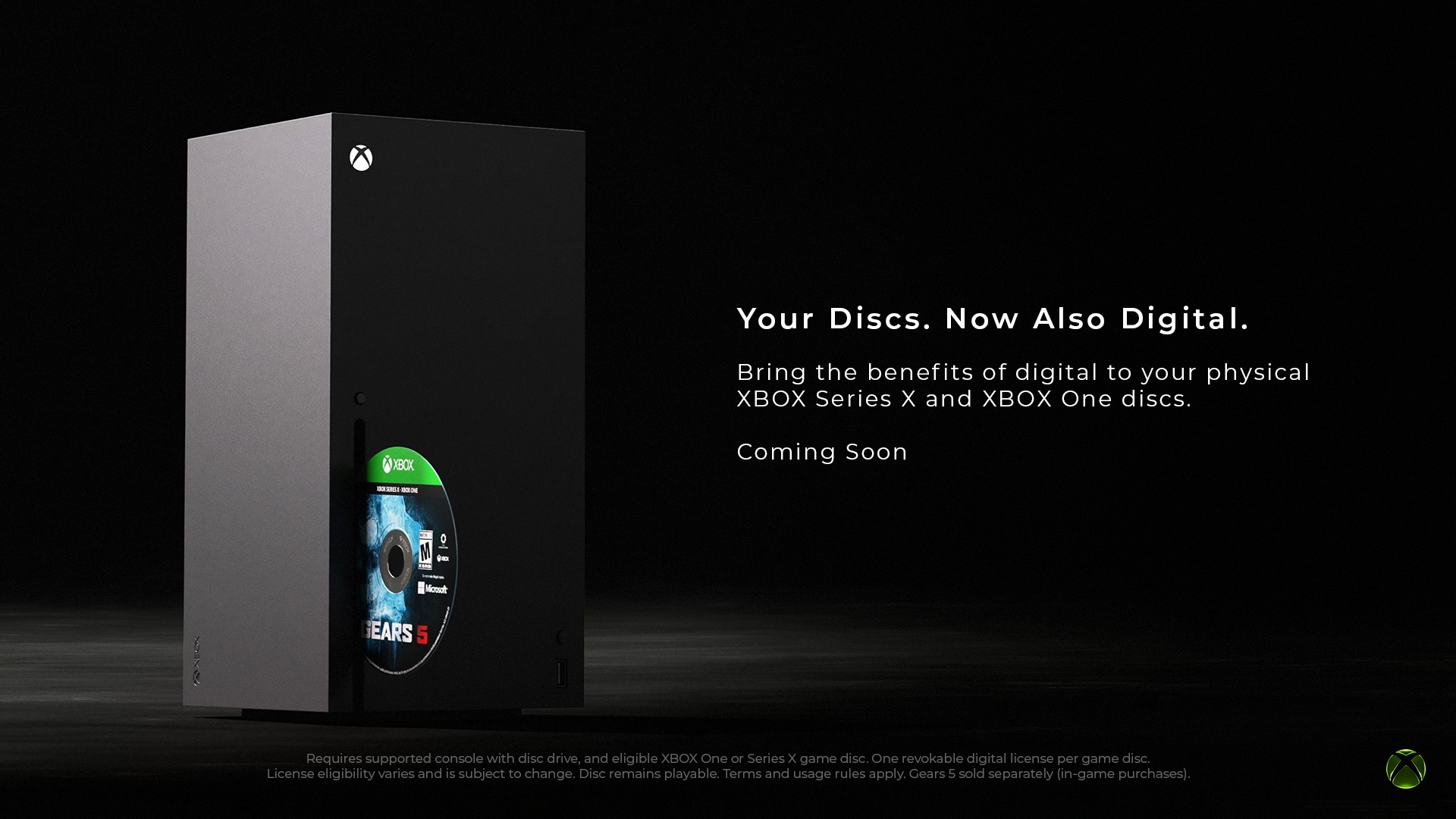
Players will be able to add eligible titles to their digital libraries by inserting the disc into an existing Xbox console. Microsoft says the entitlement will transfer to another user if the physical game is sold.
The program will begin rolling out to Xbox Insiders on August 31, with a broader launch date yet to be confirmed.
Sharma said the initiative would preserve consumer choice while extending Xbox’s commitment to backward compatibility, potentially allowing older physical purchases to work with future hardware even if it lacks a built-in drive.
The affordability push follows years of Xbox underperformance and a major restructuring that cut thousands of jobs.
Sharma, who moved from Microsoft’s AI division and has led Xbox for six months, acknowledged the next few years would remain “challenging”.