World Cup 2026 Could Outshine Taylor Swift’s Eras Tour In Economic Impact
 April Ossington
23 Jun 2026
April Ossington
23 Jun 2026

The 2026 FIFA World Cup is being tipped as a once-in-a-generation economic powerhouse, with forecasts suggesting the tournament could inject around US$45 billion into the global economy and reshape spending patterns across North America.
Analysts at Bank of America estimate that approximately US$19 billion of that total could flow directly into the United States, highlighting the enormous commercial opportunity created by the competition, which will be hosted across the United States, Canada and Mexico.
Economists believe the event will trigger a wave of spending across multiple industries as millions of supporters, athletes, sponsors, broadcasters and officials travel between host cities throughout the tournament.
Federated Hermes Head of Multi-Asset Solutions Damian McIntyre said the financial activity surrounding the World Cup mirrors the economic ripple effect generated by Taylor Swift’s Eras Tour.
“In economic terms, all of this activity adds up,” McIntyre said in a research note.
“In this sense, it’s like the ‘Taylor Swift effect’ all over again.”
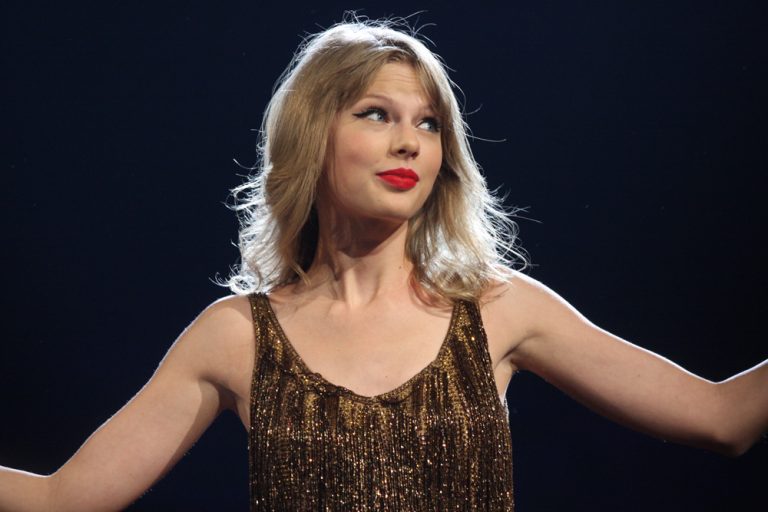
Swift’s global tour became famous not only for record-breaking ticket sales but also for the substantial spending it generated in local economies. The phenomenon became known as “Swiftonomics” after cities reported significant increases in tourism, hospitality revenue and consumer activity whenever the singer arrived.
Research from Nomura estimated that the first leg of the Eras Tour contributed approximately US$5 billion in consumer spending during 2024. By comparison, Bank of America’s World Cup forecast is more than six times larger.
The difference comes down to scale. While concerts typically occupy a city for only a few days, the World Cup runs for several weeks and attracts visitors from around the globe. Spending is expected to benefit hotels, restaurants, bars, airlines, ride-sharing operators, retailers and entertainment venues across North America.
Host regions are already projecting substantial gains. Organisers in New York and New Jersey estimate the tournament could deliver approximately US$3.3 billion in economic activity for the area while supporting around 26,000 jobs.
The event is also expected to become a major media and wagering spectacle. Reports suggest the World Cup could emerge as the largest sports betting event ever staged, despite ongoing regulatory scrutiny facing gambling operators in several markets.
Prediction markets have already attracted significant interest. As of last week, around US$2.7 billion had reportedly been wagered on tournament outcomes, with France, Spain, England and Argentina emerging as the leading favourites among bettors.
Despite hosting a large portion of the competition, the United States has been given only a 2 per cent chance of lifting the trophy according to betting markets.
The economic influence of Swift’s Eras Tour demonstrated how major entertainment events can stimulate local economies through increased tourism and consumer spending. Hotel data from STR showed that US concert stops generated approximately US$208 million in additional hotel room revenue above seasonal expectations, while average room rates rose by 23 per cent during concert weekends.
Individual cities also reported significant gains. Pittsburgh estimated that Swift’s two-night visit generated approximately US$46 million in direct spending, excluding ticket sales, while Cincinnati projected around US$92 million in consumer spending linked to her performances.
Economists note that not all event-related revenue remains within local economies, as portions flow to artists, promoters, ticketing platforms and suppliers. Nevertheless, the broader impact on tourism, hospitality and employment has proven substantial.
Should current forecasts prove accurate, the 2026 FIFA World Cup could become the most economically significant sporting event ever hosted in North America, delivering benefits that extend well beyond the football pitch.
Featured photo by Jannik M