Wired Headphones Make a Comeback as Consumers Turn Off Bluetooth Audio
 David Richards
13 Mar 2026
David Richards
13 Mar 2026
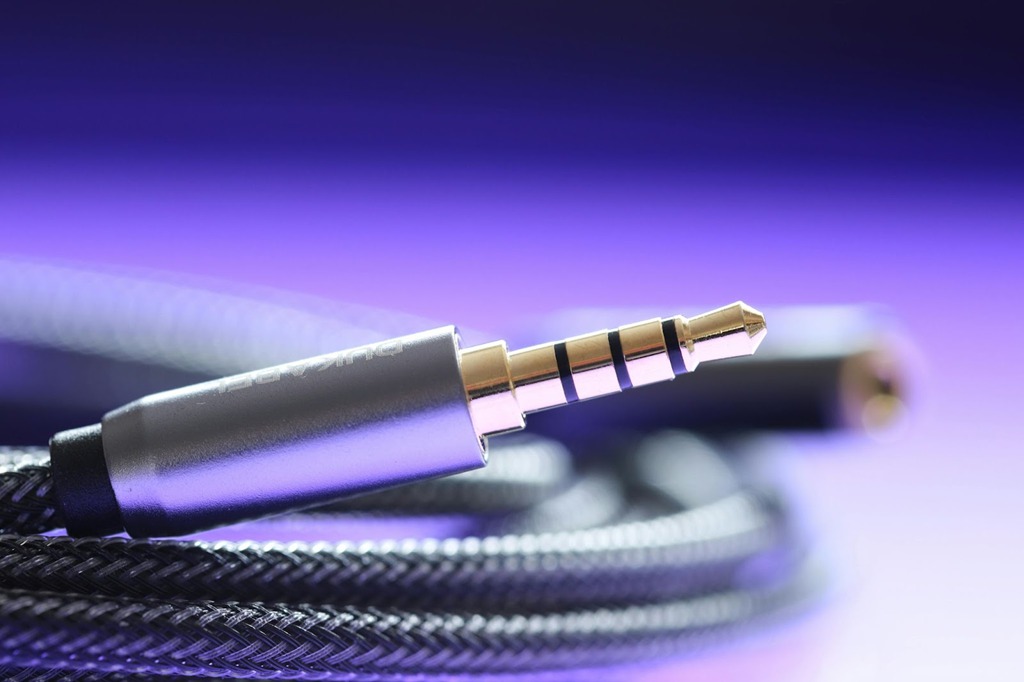
Amid widespread pessimism about the retail sector, one category is quietly surging back to life: wired headphones. New market data shows a sharp resurgence in demand for traditional cabled audio, reversing years of decline and delivering a rare bright spot for consumer electronics retailers.
After half a decade of falling sales, wired headphones began rebounding in early 2025, according to retail analytics firm Circana. The recovery accelerated rapidly in the second half of the year, with sales rising about 10% between July and December. The momentum has carried into 2026, with revenue from wired headphones up roughly 20% in the first six weeks of the year.
For retailers struggling with sluggish consumer spending, the resurgence is significant. Analysts say the growth is occurring across multiple brands and price tiers, suggesting the category’s recovery is broad-based rather than limited to niche audiophile segments.
The rebound marks a striking shift for a technology many assumed was obsolete after smartphone manufacturers removed the traditional headphone jack. Apple’s decision nearly a decade ago to eliminate the port from the iPhone helped push the industry toward Bluetooth audio, a move later mirrored by companies such as Google.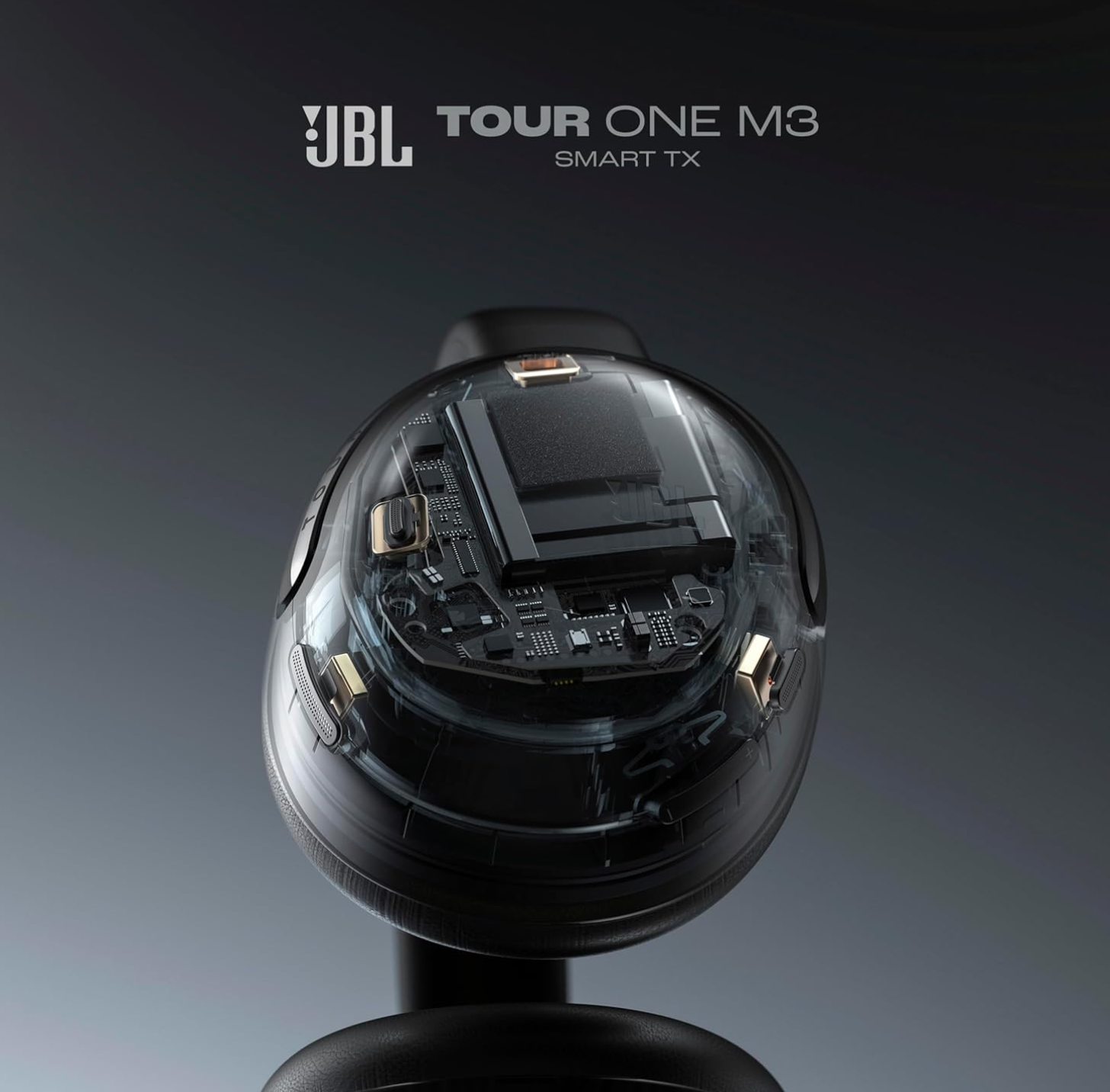
At the time, manufacturers argued that wireless audio represented the future. But many consumers never fully embraced the transition, citing sound quality concerns, connectivity frustrations and the inconvenience of charging multiple devices.
Those frustrations now appear to be driving the renewed demand for wired alternatives.
“Wireless headphones have improved dramatically,” said Chris Thomas, editor-at-large at headphone review site SoundGuys. “But when you’re looking at mainstream products in electronics stores, you’ll often still get better sound for the money with a good wired pair.”
Thomas added that Bluetooth technology can still introduce performance limitations. “Even the best wireless headphones may not deliver their full potential because of connection issues or compatibility problems with your device. With a wire, you just plug in and it works.”
The trend is also visible in online search data. Queries for “wired headphones for gaming” and wired headsets with microphones surged in late 2025 and early 2026, reflecting growing demand from gamers and users who rely on stable audio connections for communication and streaming.
Globally, wired headphones remain a significant market despite the dominance of wireless earbuds. The wired headphone and earphone segment was valued at about $44.9 billion in 2024 and still represents roughly 10% of the $71 billion global headphone market. Analysts forecast modest but steady long-term growth of roughly 3.8% to 6% annually.
In Australia, some consumers say Bluetooth audio has failed to deliver the reliability and sound quality promised by manufacturers. Complaints frequently centre on interference, pairing problems and range limitations.
“Bluetooth connectivity in general is ruining the sound experience,” said one Sydney-based audio enthusiast who recently switched back to wired headphones.
The backlash is also becoming cultural. The BBC recently described wired headphones as a “full-blown trend,” linking the resurgence to a broader pushback against increasingly complex technology.
“It feels like a lot of people are almost turning on technology because it’s becoming so advanced,” said one observer interviewed by the broadcaster. “There’s a sense that people want to return to something simple that just works.”
Beyond practicality, wired headphones are even emerging as a fashion statement. Social media accounts such as Instagram’s Wired It Girls showcase celebrities and influencers sporting old-school earbuds, with visible cables becoming part of the aesthetic. Stars including Ariana Grande and Charli XCX have been photographed wearing them.
Some commentators argue the visible wire itself has become a cultural symbol — signalling a rejection of the hyper-connected wireless lifestyle.
Of course, wireless listening still offers clear advantages. Bluetooth earbuds provide portability and convenience that wired headphones cannot match. But they also introduce new frustrations: batteries die, tiny earbuds get lost, and pairing problems remain common.
For many consumers, the appeal of a simple cable is proving difficult to beat.
In a tech world increasingly dominated by wireless devices, the message from the market appears clear: sometimes the old ways still sound better.