Why The Nick Aboud Playbook Used At Dick Smith Has Failed Again
 David Richards
18 Jan 2026
David Richards
18 Jan 2026
Despite spending 19 years at Myer, Nick Aboud was overlooked for the retailer’s top job. Now, questions are again being raised about his management style and business practices following the collapse of another company he led.
Concerns have emerged after Choice The Discount Store, which recently acquired the assets of Aboud-run retailer Cheap As Chips, revealed serious issues with how the business had been managed before it was placed into administration. The failed discount chain is believed to have debts approaching $15 million.
Aboud, a Mosman resident, was chief executive of the Adelaide-based Cheap As Chips group, which operated 48 stores nationwide. He was also previously CEO of Dick Smith Electronics, resigning just one week after the retailer entered voluntary administration in early 2016 with debts of approximately $390 million.
In an interview with ChannelNews, Shan Patabendige, CEO of Queensland-based Choice The Discount Store, criticised the way Cheap As Chips had been run, drawing parallels with the collapse of Dick Smith — a failure that saw several supplier groups take legal action at the time.
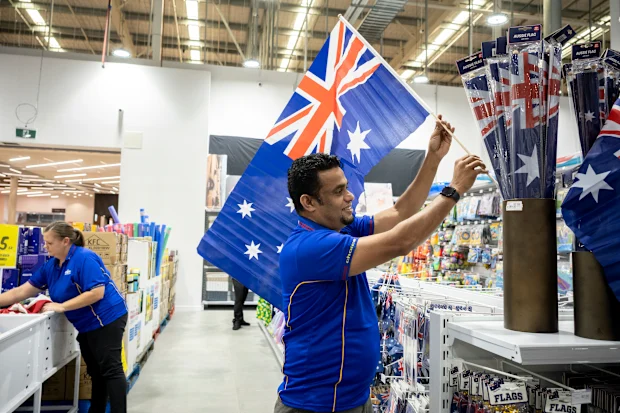
Shan Patabendige, CEO of Queensland-based Choice The Discount Store gets ready for Australia Day
Unlike the Dick Smith collapse, Aboud resigned from Cheap As Chips before administrators were appointed.
Patabendige said he began investigating a potential acquisition around the same time ChannelNews exclusively revealed that Cheap As Chips, trading as Palcove Pty Ltd, was seeking fresh capital or a sale after reporting a significant revenue slump and losses of $34.4 million in 2024.
He said Choice ultimately agreed to take over store leases and physical assets only, not the debt of the failed business.
“The owners were keen to sell when I first approached them,” Patabendige said. “But the numbers they were asking were sticky.”
He added that over the following six months, the retailer’s financial position deteriorated rapidly.
“We weren’t interested in taking on mounting debt,” he said. “It was a case of either agreeing to the deal we offered or what eventually happened”
What eventuated was the assets being sold and the business placed into administration with debts believed to be close to $50 million.”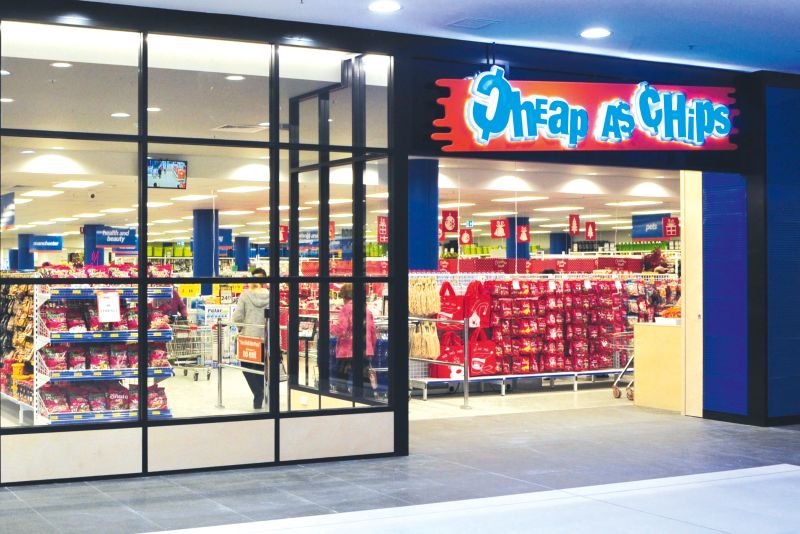
Patabendige said the Cheap As Chips business, under Aboud’s leadership, was fundamentally flawed for a discount retailer.
“It was wrong for a discount variety store,” he said. “They weren’t really a discount retailer — they were competing with Kmart, often with prices higher than Kmart.”
He also claimed the business failed to communicate effectively with customers and said its overall strategy was “incorrect”.
When asked whether the situation mirrored what occurred at Dick Smith, Patabendige said it did.
“At Dick Smith there was a stock problem,” he said. “You can’t buy years’ worth of stock just to get a good price.”
The collapse of Dick Smith Electronics in 2016 remains one of Australia’s most high-profile retail failures. Administrator McGrathNicol later attributed the collapse to aggressive expansion, poor inventory management, and a flawed financial strategy.
Aboud did not come out of the Dick Smith debacle unscathed after several court appearances in Australia.
In a Court of Appeal Court Judgement following investigations of Nick Aboud and former finance director Michael Potts the primary judge held that Mr Abboud knew that there was “mounting evidence that there were problems with the approach DSH was taking to the acquisition of stock”, and that Mr Abboud should have ensured that a review was undertaken “to determine the categories of stock where DSH had too much stock and those where it did not”.
Just three months before administrators were called in, Aboud told ChannelNews the retailer — acquired from Woolworths — was “tracking well”, despite suppliers raising concerns and placing the business on credit watch. Some suppliers were still waiting to be paid.
One of the company’s most critical failures was buying inventory based on supplier rebates rather than customer demand. Management prioritised products offering large rebates to inflate short-term profits, leading to massive volumes of obsolete stock. At one point, Dick Smith reportedly held 12 years’ worth of batteries.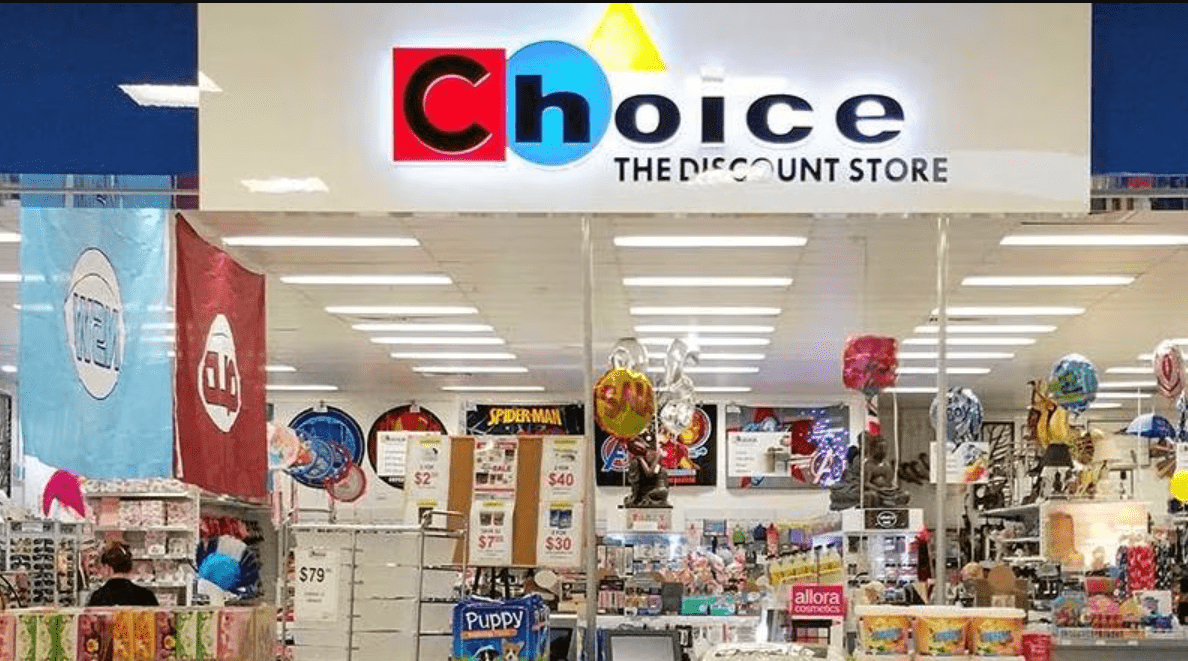
By late 2015, the retailer was carrying around $180 million in unsaleable or overvalued inventory, forcing write-downs of approximately $60 million.
Under Aboud’s leadership, Dick Smith’s store network also grew far larger than competitors such as JB Hi-Fi, resulting in excessive rent commitments and a high cost base.
Interviews conducted by ChannelNews at the time focused heavily on Aboud promoting “total revenue growth”, largely driven by new store openings. This masked declining sales at existing stores and loss of market share.
The combination of poor stock decisions and heavy spending on store fit-outs drained cash reserves.
By 2015, Dick Smith was unable to pay suppliers on time, with more than 20 major suppliers imposing restrictive credit terms, including cash-on-delivery.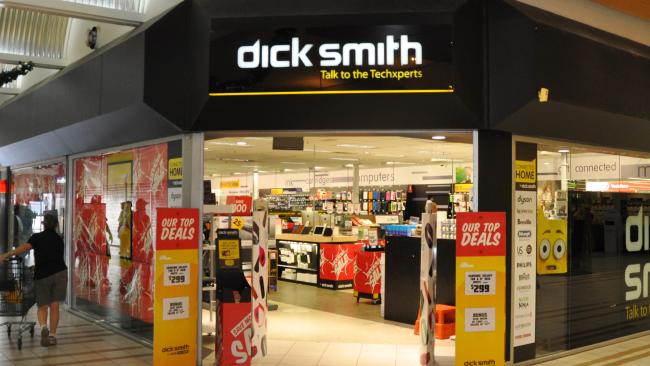
This cut off access to key high-margin products such as Apple devices. The company subsequently breached banking covenants, and when lenders including NAB and HSBC refused further credit in December 2015, the board had no choice but to appoint administrators on January 4, 2016.
In the case of the collapse of Cheap As Chips it’s suppliers that have been left with pending losses.
ChannelNews understands that similar lack of access to capital also contributed to the collapse of Cheap As Chips.
The acquisition of Cheap As Chips’ assets will significantly expand Choice The Discount Store, owned by businessman Rakesh Khatri, positioning it as one of the largest players in Australia’s discount retail sector.
Its largest rival, The Reject Shop, operates around 400 stores and was acquired last year by Canadian discount giant Dollarama for $259 million.
Patabendige said Choice would focus on what he believes Aboud’s team failed to achieve — building a genuinely differentiated brand.
“We’re differentiating ourselves from large discount chains like Big W, Kmart and Target,” he said.