Whirlpool Facing Massive Problems As Concern Mount Over Appliance Brand
 David Richards
10 Apr 2026
David Richards
10 Apr 2026
Whirlpool the Harvey Norman distributed appliance brand is facing new problems with questions raised as to whether it will be able to manage the new problems now facing the appliance industry.
Widely sold at Harvey Norman stores, Whirlpool’s credit rating has been cut to junk status with the Company now balancing cost pressures, legal issues, and competition related problems.
In 2026 profitability and cash flow has deteriorated significantly, even though the company returned to positive earnings.
Q4 2025 earnings missed expectations and revenue also came in below forecast revenues.
Whirlpool, which focuses on large home appliances under brands such as Whirlpool, KitchenAid, and in some markets Maytag, is facing a mix of financial strain and product investment.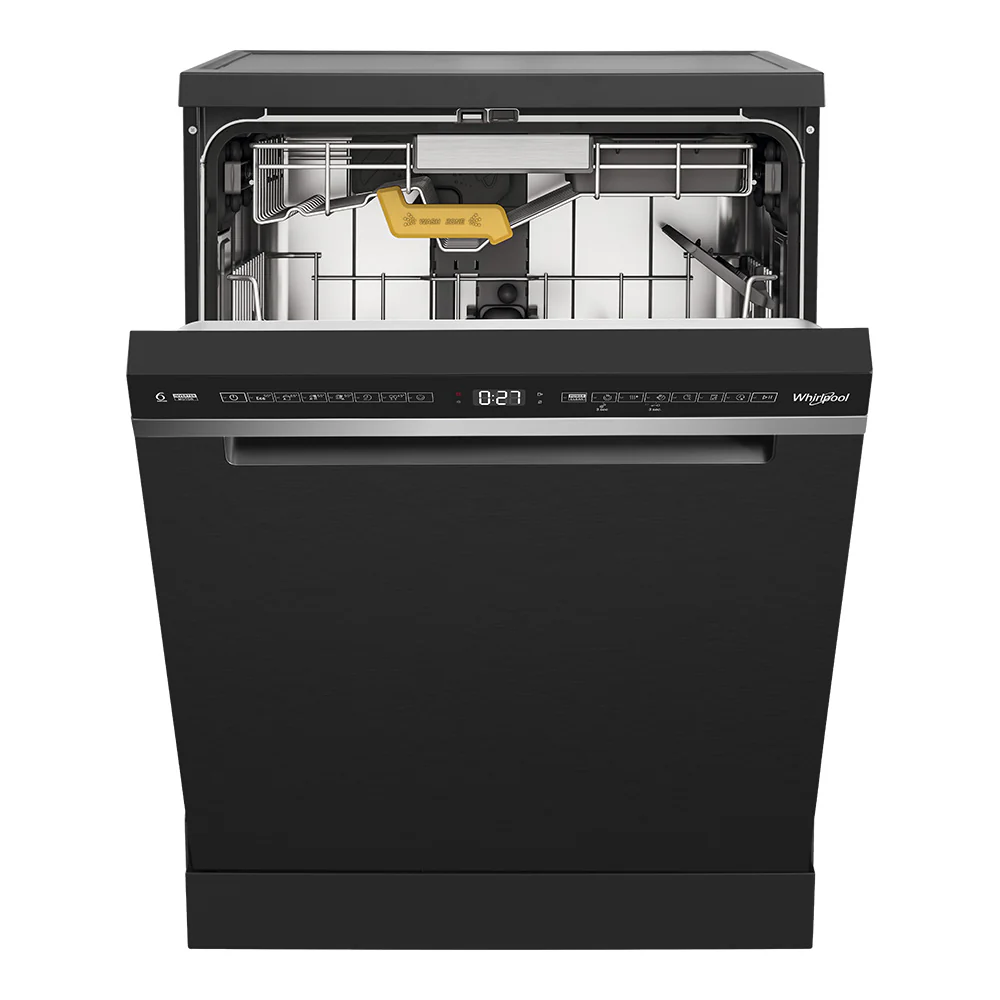
The downgrade in late 2025 and recent impairment charges point to pressure on its balance sheet and earnings profile at a time when the broader appliance industry is working through cost volatility and for European brands rising costs due to the war in the Middle East.
Currently the business is punting on a new 2026 product range to help turn around their performance however this is set to be impacted by new pressures due to a massive rise in costs for all appliance manufacturers.
The downgrade to junk status, combined with another quarter of goodwill and intangible impairments, signals that credit markets are focusing on Whirlpool’s leverage and earnings quality just as the company is investing to refresh its product line versus competitors including Chinese brands Haier, and European brands Electrolux and Westinghouse as well as South Korean brands LG and Samsung.
They key issue now is whether Whirlpool can hit its 2026 sales and ongoing EPS guidance while reducing debt, and whether their 2026 product pipeline actually supports margins in a market where competitors are competing hard on features and price.
Even with a better outlook, there are still real concerns about the business including their exposure to a housing downturn, rising prices to impact margins and the outbreak of war in the Middle East as well as the cost of layoffs at the Company.