Wesfarmers Profit Rises, $1.7bn Dividend and Leadership Change Announced
 Joe Gallop
28 Aug 2025
Joe Gallop
28 Aug 2025

Wesfarmers, the Perth-based conglomerate behind Bunnings, Kmart, Target and Officeworks, has posted a strong FY25 result, with annual net profit rising 14% to A$2.93 billion.
Excluding significant items, the company’s profit grew 3.8% to A$2.65 billion, exceeding market expectations.
Wesfarmers’ retail arms were the key drivers of growth.
Hardware giant Bunnings saw sales rise 3.3% to A$19.6 billion, with earnings up 3.8% to A$2.34 billion, boosted by strong demand across home improvement, tools, outdoor living and smart home categories.
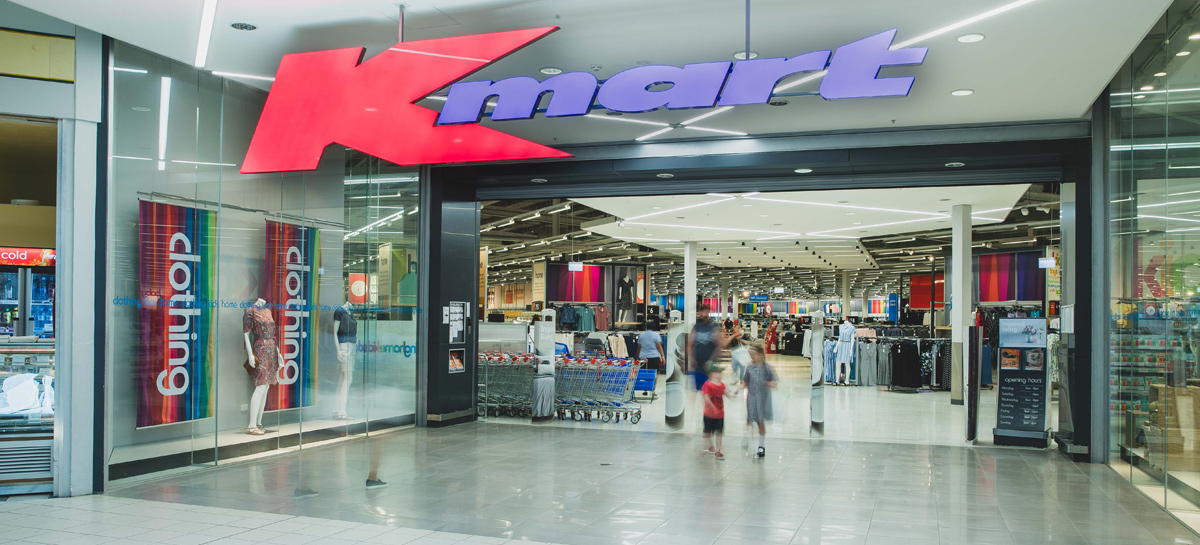
Kmart Group, which includes Target, delivered a 2.9% lift in sales to A$11.43 billion and a 9.2% jump in earnings to A$1.05 billion, supported by low-price strategies, new product ranges and growing international partnerships for its Anko brand.
Officeworks contributed more modestly, with earnings up 1.9% to A$212 million.

Managing Director Rob Scott highlighted the group’s success in helping customers navigate cost-of-living pressures: “Our divisions delivered even greater value, service and convenience, supported by productivity initiatives that mitigated higher costs.”
The results have paved the way for a significant return to shareholders.
Wesfarmers will pay a fully franked final dividend of A$1.11 per share, taking total ordinary dividends to A$2.06 per share, a 4% increase on last year.
In addition, the company is proposing a special capital return of A$1.50 per share, comprising a capital component of A$1.10 and a fully franked dividend of 40c, potentially returning up to A$1.7 billion to investors if approved at the October AGM.
Wesfarmers also confirmed a leadership change, with former BHP chairman Ken MacKenzie (pictured below) set to succeed Michael Chaney as chairman in June 2026.

MacKenzie brings extensive experience in managing large-scale industrial and resource businesses.
While Wesfarmers’ retail divisions are performing strongly, the company cautioned that domestic cost pressures – including labour, energy and supply chain costs – are likely to persist in FY26.
Productivity measures, digitisation, and increased use of AI are expected to help offset these challenges.
The group’s diversified portfolio, from retail to chemicals and lithium, coupled with strong cash flow, positions it well to maintain shareholder returns while exploring future growth opportunities.