Wesfarmers Chairman Hits Out As Trump Tariffs Restored After Appeal
 David Richards
30 May 2025
David Richards
30 May 2025
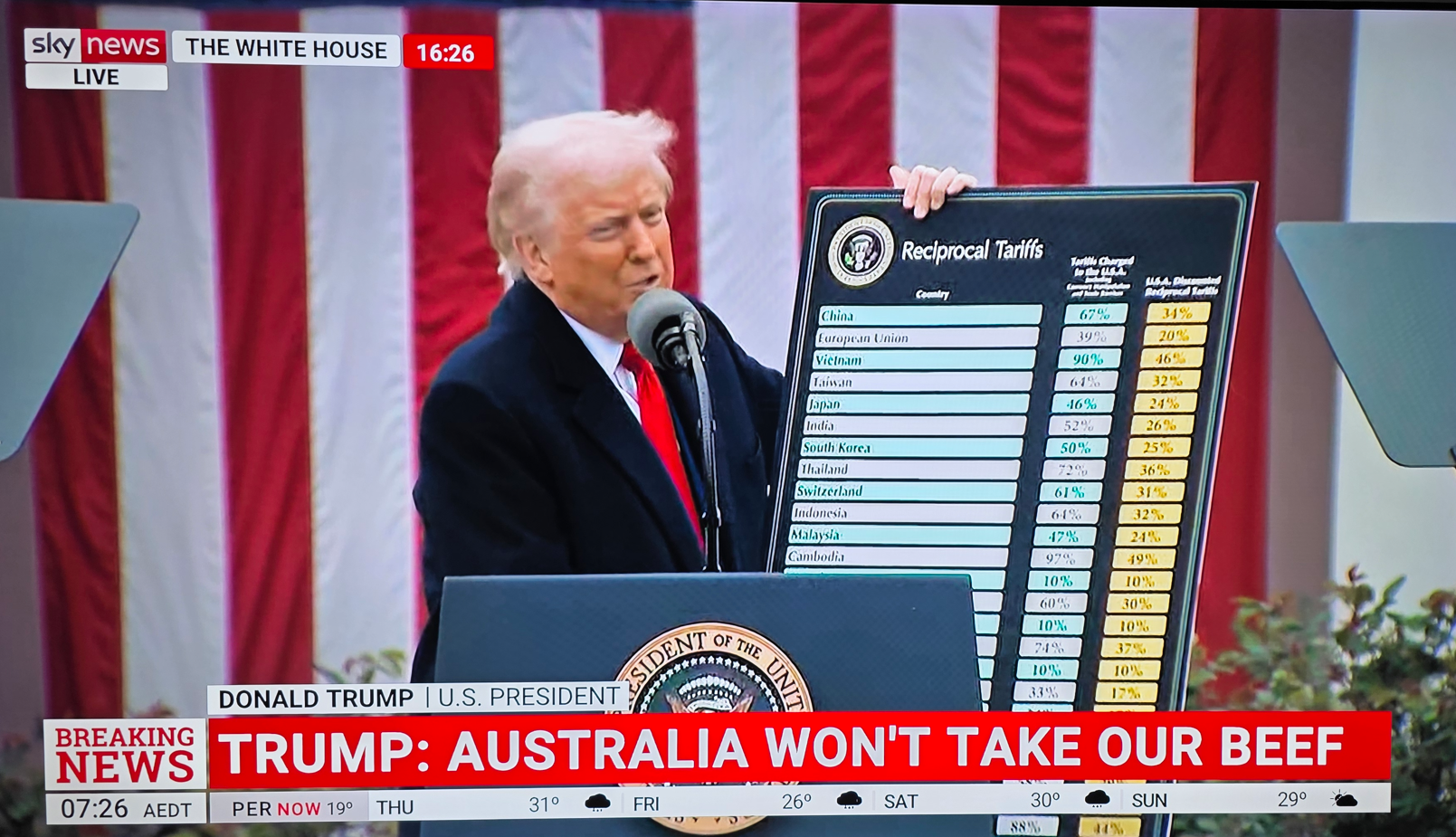
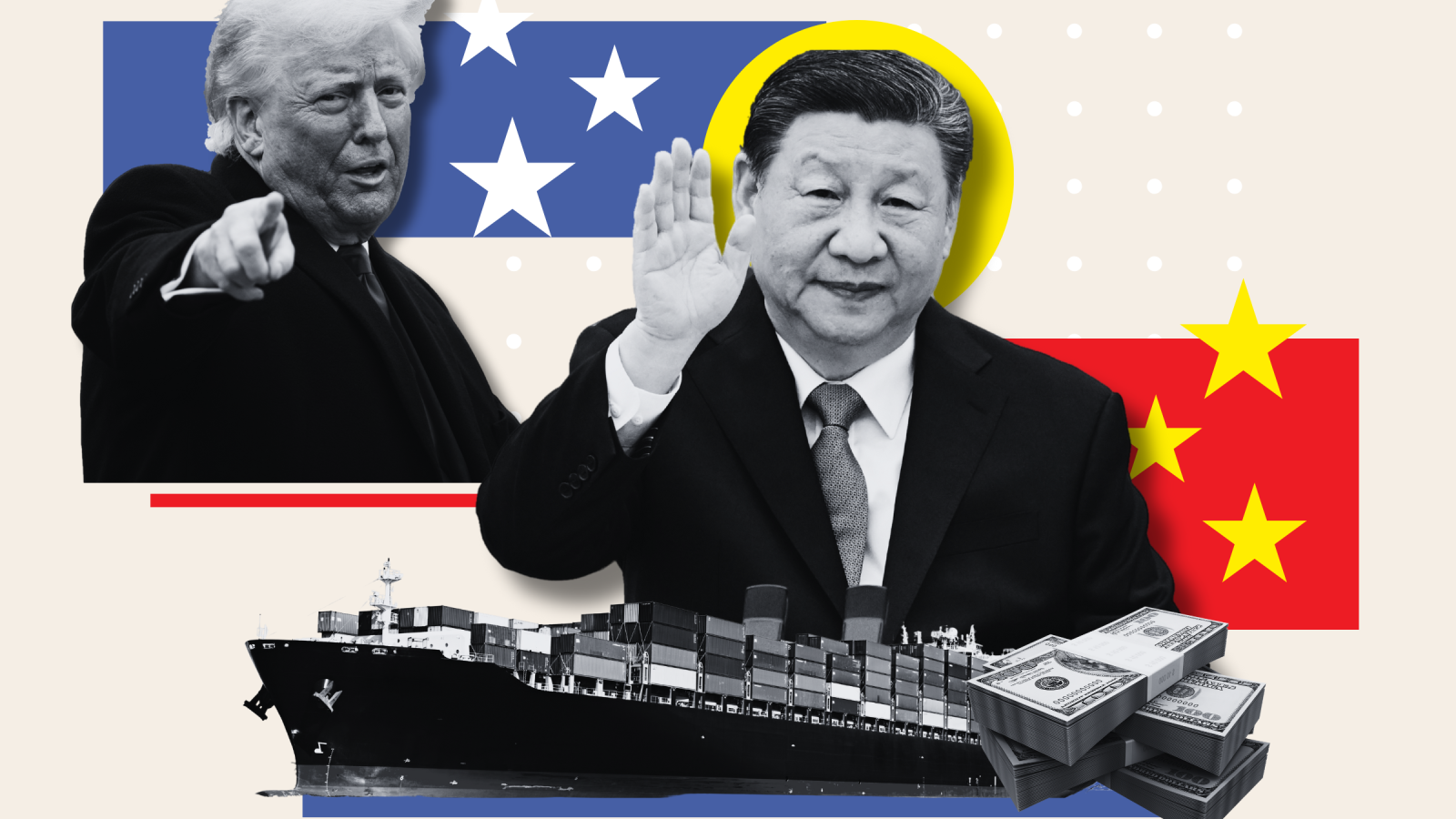
A US federal appeals court has halted a lower court order that initially put the brakes on Trump’s tariff agenda that some Australian retail executives are claiming “Don’t make sense.”
Wesfarmers chairman Michael Chaney has attacked President Trumps punitive levies; warning business and investor confidence has not recovered since the trade war was put on ice.
Speaking to the Australian newspaper Chaney whose retail stores include Officeworks, Bunnings, Kmart and Target, said “Regardless of the legality or illegality of the tariffs, they don’t make any sense economically given the tariffs originally proposed would not only have caused huge ructions internationally, but would have devastated the American economy,” said Mr Chaney.
“I think Australia should be exempt, and every country should be exempt. The tariffs, as any economist knows, have a negative effect,” Mr Chaney said.
Overnight a full 11-judge panel on the US Court of Appeals for the Federal Circuit stayed the order by the Manhattan-based Court of International Trade while a White House appeal is heard.
If the original ruling is upheld questions are being asked what will happen to the billions that the US administration has already collected and whether brands that have already slapped big price rises on goods will actually reduce the price back down to pre tariff pricing.
Late yesterday the Court of International Trade in the USA ruled that Trump exceeded his authority under the International Emergency Economic Powers Act by imposing a 10% flat duty rate on dozens of countries around the world including Australia, as well as 25% tariffs on Canada and Mexico and 20% tariffs on China in response to illegal fentanyl trafficking.
The Trump administration responded quickly by appealing to a higher court.
This sent Wall Street into a flurry overnight with the Dow Jones Industrial Average closing up 117 points, the Nasdaq rising almost 75 points, and the S&P 500 gaining more than 23 points.
“The pause will not affect the negotiations in any way if people out there in the world simply look at the court decision,” White House trade adviser Peter Navarro told reporters.
“The court was clear, as I said, that [the] President has broad authority to impose tariffs,” he added, in a nod to a passage from the lower court ruling that noted the president has other avenues apart from emergency powers to impose duties on imports.
“This morning, we were getting plenty of phone calls from countries saying, ‘We saw the rule,’ and so what we’re going to continue to [do is] negotiate in good faith,” Navarro continued.
The White House has already warned it would seek “emergency relief” from the Supreme Court as soon as tonight Australian time if the appeals court did not stay the trade court’s ruling.
It argues that the initial decision wrongly intruded upon Trump’s executive authority.
White House press secretary Karoline Leavitt claimed that the judges “brazenly abused their judicial power to usurp the authority of President Trump to stop him from carrying out the mandate that the American people gave him,.”
She called on the high court to overturn the ruling, claiming the judges “are threatening to undermine the credibility of the United States on the world stage.”
“Ultimately, the Supreme Court must put an end to this for the sake of our Constitution and our country.”
The three-judge panel on the Court of International Trade ruled that federal law does not grant Trump “unbounded authority” to tax imports from around the world.
It blocked 6.7 percentage points worth of the levies and gave the White House 10 days to roll back the tariffs.
Economists have warned that any tariffs will be passed on to consumers in multiple Countries as brands use the excuse of the Trump tariffs to lift prices even in Australia.
Uncertainty over when or if the duties take effect is also likely to affect planned investment by businesses.
Federal Trade Minister Don Farrell said on Thursday night that the Albanese government was reviewing the implications of a US Federal Court decision to bar Donald Trump’s so-called “Liberation Day” tariffs, which have fuelled international geopolitical tensions and roiled global markets.
Meanwhile Anthony Albanese is expected to push for an Australian exemption from any future US-imposed tariffs when he attends the mid-June G7 summit in Canada, to which Mr Trump is also invited.
Australian businesses have been waiting for a resolution on tariffs and had been holding off changing shipping or trade routes in the last few months, according to the Freight and Trade Alliance.
“I don’t think anyone’s jumping at shadows at this point in time,” said Tom Jensen, FTA general manager for freight policy and operations.