Wearable Market Shifts Towards Premium And Minimalist Devices
 April Ossington
17 Aug 2026
April Ossington
17 Aug 2026

Global wearable band shipments slipped 2 per cent year-on-year in the second quarter of 2026, although growing demand for premium sports watches and screenless trackers helped offset weakness elsewhere in the market.
Omdia reported smartwatch shipments increased 6 per cent during the quarter as consumers showed greater interest in advanced sports-focused devices. Screenless fitness trackers also gained momentum as buyers increasingly opted for either simple devices designed for continuous wear or more sophisticated watches offering detailed performance data.
Traditional basic bands struggled, with shipments falling 9 per cent as manufacturers adjusted product launch schedules and lifecycles. Basic watches declined 3 per cent, reflecting weakening consumer demand, particularly in India.
Omdia Research Director Jason Low said the wearable market was increasingly dividing into two successful categories. Consumers are gravitating towards minimalist screenless trackers for round-the-clock use or feature-rich sports watches offering improved accuracy and longer battery life.
Apple remained dominant in smartwatches, accounting for 46 per cent of global shipments. Garmin recorded the largest market share increase among competing brands, reaching 15 per cent and putting it roughly alongside second-placed Samsung.
Garmin’s growth was supported by demand from runners, cyclists and outdoor enthusiasts, alongside efforts to make its portfolio accessible to a broader audience through additions to the Forerunner range.
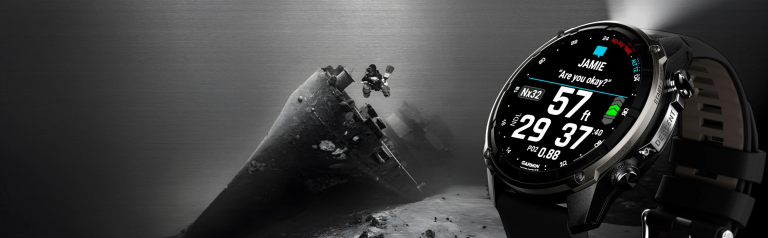
Omdia said Garmin’s performance demonstrates consumers are increasingly prepared to pay premium prices for accurate training information and useful insights. The company’s focus on data quality and performance features has helped attract customers beyond its traditional enthusiast audience.
Huawei, meanwhile, led the broader wearable band market with an 18 per cent share, representing a modest year-on-year increase. Its performance was supported by continued portfolio expansion, including the introduction of a new flagship children’s smartwatch.
Although the overall fitness tracker category declined, screenless products were a notable exception. These devices represented more than 15 per cent of basic band shipments during the quarter.
Rising memory and storage costs are also putting pressure on manufacturers and contributing to higher retail prices. Omdia pointed to recent increases across Samsung’s Galaxy Watch range and premium sports watches as examples of the trend.
The research firm expects manufacturers to increasingly rely on deeper ecosystem integration, personalised AI capabilities, battery performance and higher-quality health and fitness insights to convince consumers that more expensive devices are worth the investment.
Google’s recently announced Pixel Watch 5 reflects that strategy. The latest smartwatch arrived with a US$50 price increase, equivalent to roughly A$77, despite reviews suggesting relatively limited hardware changes. Instead, Google has placed considerable emphasis on new AI-powered features, aligning with Omdia’s expectations for how wearable brands will differentiate their products as cost pressures increase during the second half of 2026.