New Samsung Glasses Coming In November OZ Launch Date Not Known
 David Richards
02 Oct 2026
David Richards
02 Oct 2026
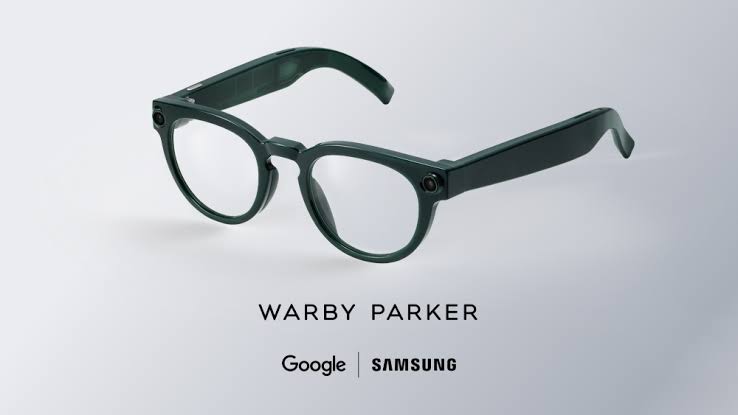
Samsung’s first Android XR powered AI glasses are scheduled to launch in November 2026 what’s not known yet is whether Australians will get access before of after the upcoming holiday period.
Samsung is effectively building a new Galaxy accessory category around the smartphone, with glasses, Watch and Buds increasingly acting as interfaces into Gemini rather than standalone devices.
FCC filings in the USA have appeared for two models, normally a strong indication that commercial release is close with Samsung now appearing to be adopting a two stage strategy.
The important point is that Samsung appears to be pursuing a two stage strategy.
Stage one is set to be AI glasses without a display.
These models have been developed with Google and eyewear brands Gentle Monster and Warby Parker.
They run on Android XR and use Gemini as their AI interface and are the same models unveiled at Galaxy Unpacked in London in July.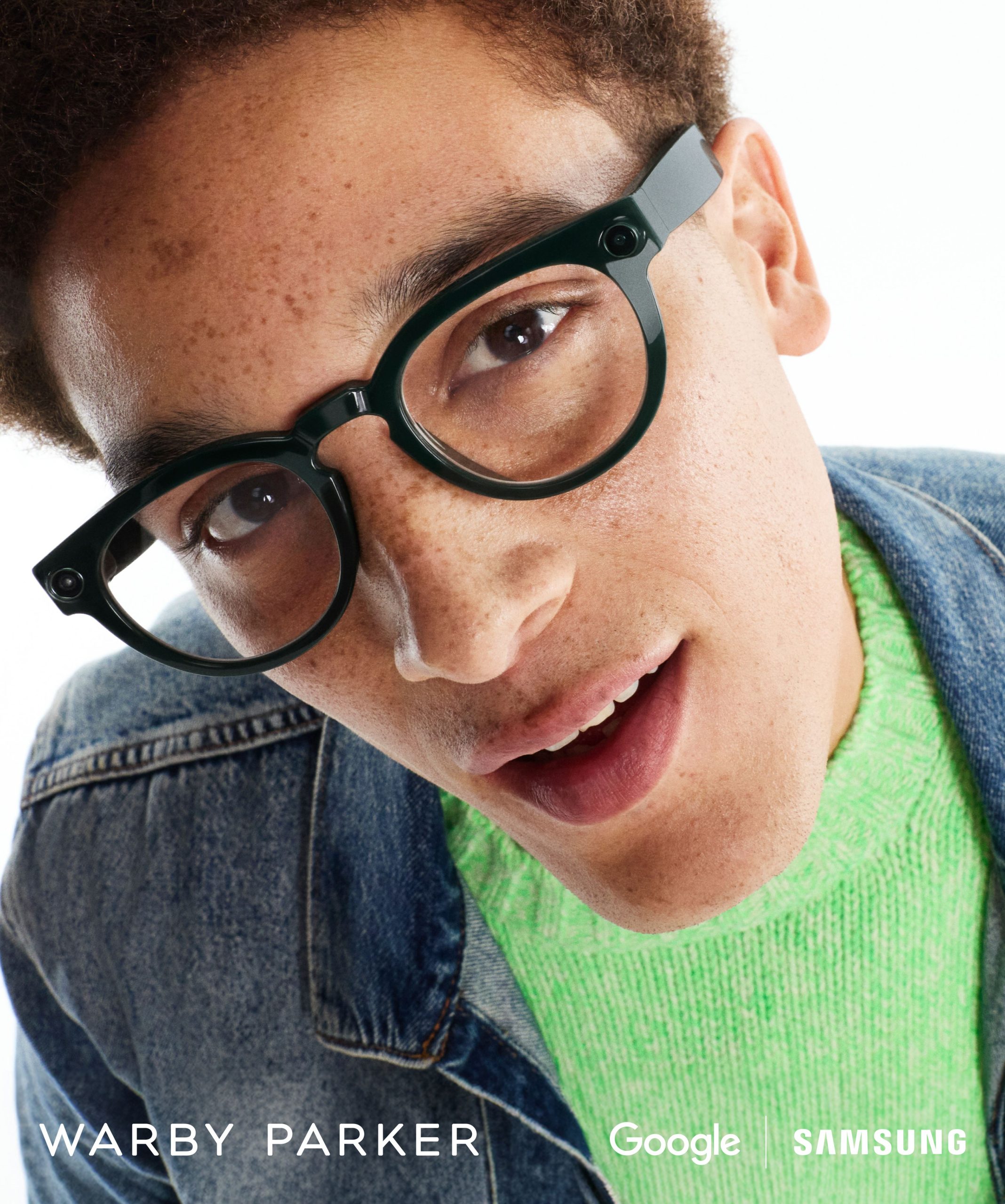
Rather than trying to put information onto the lens, the first generation uses a camera, microphones and speakers.
The glasses can photograph and record what the wearer sees, answer questions about the surroundings, provide spoken navigation, translate conversations and text, handle calls and messages and interact with apps through Gemini.
Google says they will work with Android and iOS phones.
Samsung says the glasses provide up to nine hours of active use, with the charging case capable of more than seven additional full charges.
Processing is split between the glasses and a connected Galaxy smartphone.
Samsung is also integrating them with Galaxy Watch and Galaxy Buds.
There is also an interesting competitive positioning emerging with Samsung effectively going after Meta Ray-Ban before attempting full AR glasses.
The first Samsung product is therefore much closer to Meta’s camera/AI glasses than Apple’s Vision Pro or Samsung’s earlier XR headset strategy.
Samsung Australia has previously indicated that the initial rollout will include the US and South Korea, while Australia has not been confirmed for the first launch wave.
Samsung Australia’s wearables head Kylie Mason was quoted saying the company hoped Australia would range the product subsequently.
That means the November launch does not necessarily mean Australian availability in November.
The FCC development is significant because two model numbers — SM-O200P and SM-O200J — have reportedly been registered.
They are believed to correspond to the Warby Parker and Gentle Monster versions respectively.
Reporting suggests several frame styles rather than Samsung attempting to sell one conspicuously technological looking pair of glasses.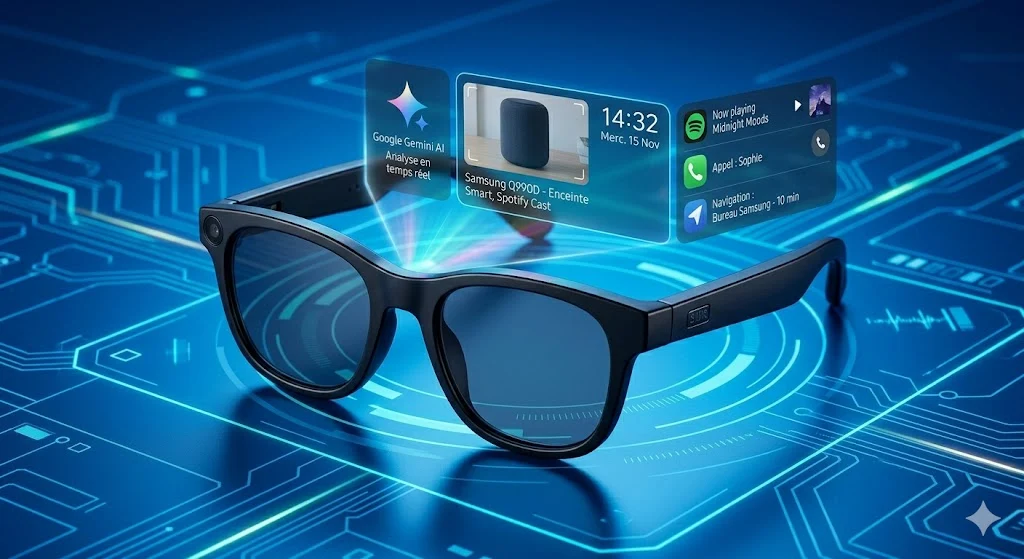
Reported hardware includes a 12MP forward facing camera, microphones, open ear speakers and Qualcomm Snapdragon AR1 Gen 1 silicon, although Samsung has not yet published the complete commercial specification.
That fashion partnership is potentially one of the most important elements of Samsung’s strategy.
Samsung appears to have concluded that smart glasses have to look like normal eyewear first and technology second, essentially following the lesson from Meta’s Ray-Ban partnership.
What’s not known is how consumers who wear glasses will be able to get ficul lenses fitted.
Currently Samsung is working on the second generation with an integrated display.
Recent Korean supply chain reporting says Samsung is evaluating microdisplay technologies including W-OLEDoS, RGB OLEDoS and LEDoS.
These glasses could put navigation directions, notifications, text and other information directly into the wearer’s field of vision.
Current reporting points towards late 2027 or the first half of 2028, rather than assuming a firm 2027 launch.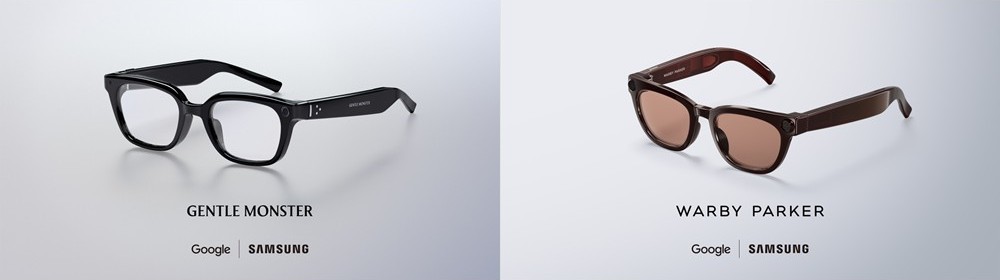
Samsung is also still considering whether to use a single eye display or displays for both eyes, suggesting the product remains at a relatively early engineering stage.
IDC is forecasting smart glasses shipments to increase 26.3% in 2026 and another 40.5% in 2027, with audio/AI glasses remaining the largest part of the category initially.
Samsung itself describes intelligent eyewear as potentially becoming the next interface for mobile AI.
Importantly, Samsung says it isn’t trying to replace the smartphone.
Instead, the glasses are intended to reduce the number of occasions when consumers have to pull their phone from their pocket.