Valve Moves Closer To HDMI 2.1 Support As Linux Driver Progress Emerges
 April Ossington
05 May 2026
April Ossington
05 May 2026
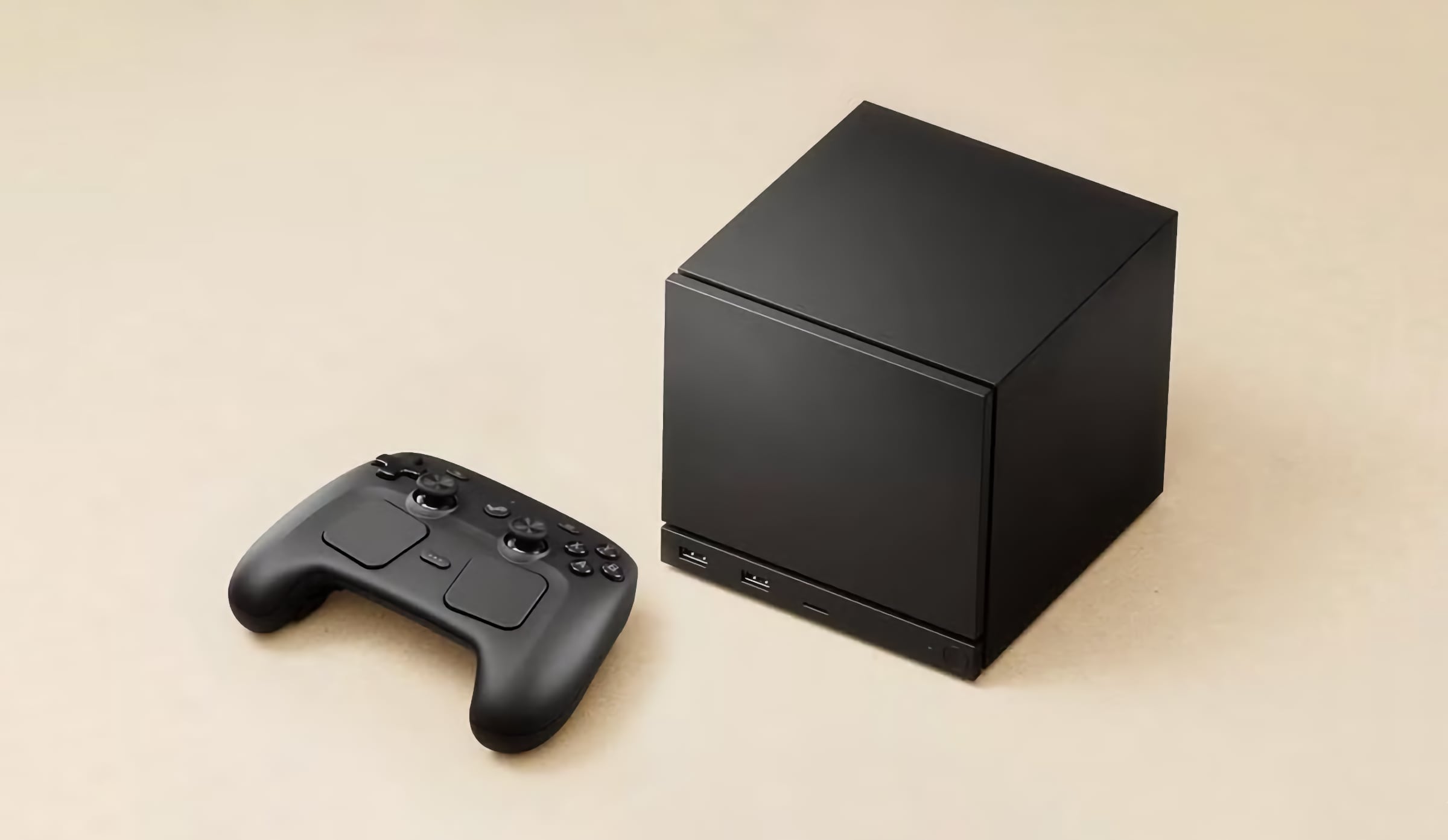
Valve may soon overcome a key technical limitation that previously prevented its Steam Machine console from supporting HDMI 2.1, following new progress in open-source driver development.
The issue first came to light late last year when Valve confirmed it could not enable HDMI 2.1 due to restrictions around Linux-based drivers. At the time, the HDMI Forum’s stance on open-source implementations meant the necessary support was not available, limiting access to advanced display features.
Without HDMI 2.1, modern capabilities such as 4K resolution at 120Hz, high dynamic range, variable refresh rates and other performance enhancements remain out of reach for gaming hardware.
Recent updates from developers working on AMD’s Linux graphics stack suggest that the situation is changing. Reports indicate that HDMI 2.1 functionality is now operating within the AMDGPU driver, marking a significant step forward.
Early work has focused on Fixed Rate Link technology, which enables the higher bandwidth required for HDMI 2.1. This allows data transfer speeds of up to 48Gbps, supporting higher resolutions and smoother frame rates. Developers expect this component to pass compliance checks in the near future.
Further development is still required to complete full HDMI 2.1 support. Additional features such as variable refresh rate, display stream compression and automatic low latency mode are still being worked on, with no confirmed timeline for their release.
The progress is particularly relevant for Valve’s Steam Machine, which has been delayed in part due to rising component costs. The console is built around AMD hardware and relies on Linux-based drivers, meaning these updates could unlock capabilities that were previously unavailable.
Valve has previously stated that the hardware itself is capable of supporting HDMI 2.1, and that it has been working alongside AMD to address the software limitations.
If full support is achieved, the Steam Machine could offer a more competitive feature set against established consoles such as Xbox and PlayStation. However, some uncertainties remain, including how effectively features like HDR will be implemented once the technology is fully integrated.