TV Prices Could Be Set To Rise As Soaring Memory Costs Hit Manufacturers
 Dominic Bayley
12 Oct 2026
Dominic Bayley
12 Oct 2026
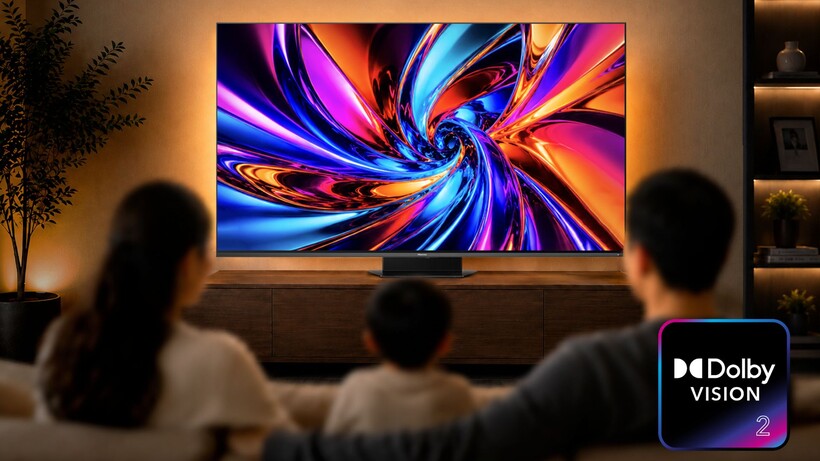
TV prices could be heading higher as surging memory and semiconductor costs put increasing pressure on manufacturers, potentially ending a period in which advertising revenue has helped keep retail prices down.
Samsung warned earlier this year that rising memory prices could make televisions more expensive, but manufacturers have largely managed to absorb the additional costs. New research suggests that may become increasingly difficult.
According to market research firm Omdia, the cost of the mainboard used in smaller 32-inch to 43-inch LCD televisions is expected to overtake the cost of the display panel for the first time during the second half of 2026.
Traditionally, the LCD panel has been the most expensive component in a television. However, rising prices for DRAM, NAND flash memory and other semiconductors are changing the economics of TV production.
Korean publication ETNews reports that the shift could significantly affect the profitability of major manufacturers, including Samsung Electronics and LG Electronics.
Much of the pressure is coming from the artificial intelligence boom, which has driven demand for memory chips and contributed to higher prices across the semiconductor industry.
The problem is also spreading beyond entry-level televisions, with mid-range QLED, QNED and Mini LED models increasingly exposed to rising component costs.
Omdia’s figures show just how dramatically prices have increased. During the third quarter of 2026, the mainboard used in a 55-inch UHD LCD television, including DRAM, NAND flash storage and a Wi-Fi module, reached US$118.20.
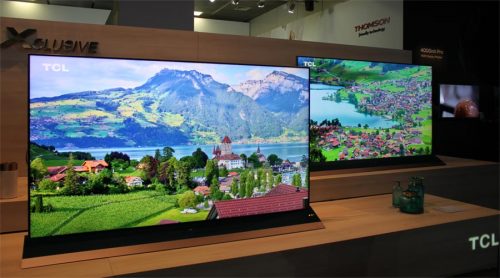
That represents a nearly three-and-a-half-fold increase from US$33.90 a year earlier.
The figure now exceeds the lowest reported price of US$116 for a 55-inch UHD LCD panel and is approaching the average panel price of US$123.
While manufacturers of larger and more expensive televisions generally have greater flexibility to absorb higher production costs, cheaper models operate on tighter margins, making retail price increases increasingly likely.
The outlook could become even more challenging in 2027, with industry forecasts suggesting memory prices will continue climbing into next year.
Adding to the pressure, Chinese display manufacturers, which dominate global LCD television panel production, have reportedly informed TV makers of further panel price increases beginning in September or October.
This means manufacturers are facing higher costs for both the electronics inside their televisions and the screens themselves.
However, the situation is somewhat different in the OLED market.
OLED panel prices have continued to decline, making larger televisions, including 83-inch models, more affordable than in previous years.
Manufacturers are also developing cheaper OLED technologies, including the recently introduced OLED SE panel and a lower-cost two-layer OLED design currently under development.
These advances could help offset some of the broader inflation affecting television production and make OLED models increasingly competitive against premium LCD alternatives.
For consumers considering a new television, the latest developments suggest current pricing may not last indefinitely, particularly for smaller and mid-range LCD models.
With memory costs expected to remain elevated and panel suppliers pushing through additional increases, television manufacturers may have little choice but to pass at least some of those costs on to consumers.